
Miconazole
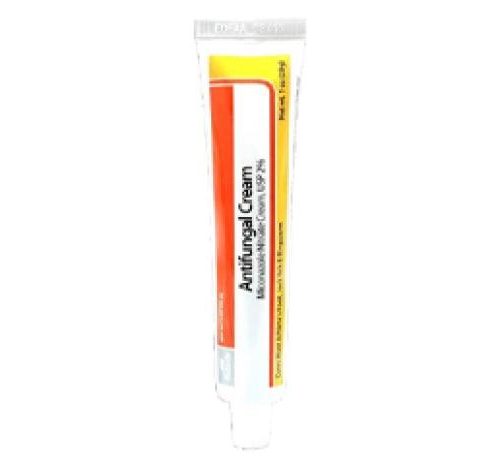
Miconazole
- You can purchase miconazole at our pharmacy without a prescription, with delivery available in 5–14 days across Canada. Discreet and anonymous packaging is provided.
- Miconazole is used to treat fungal infections, including those affecting the skin, nails, and mucous membranes. It works by inhibiting the growth of fungi.
- The usual dosage of miconazole varies based on the form but typically involves applying the cream or ointment once or twice daily.
- The form of administration includes topical creams, powders, or vaginal suppositories.
- The effect of miconazole typically begins within 24 to 48 hours after the first application.
- The duration of action can last for several hours, depending on the formulation and the site of application.
- Alcohol consumption is generally not advised as it may lead to increased sensitivity or irritation.
- The most common side effect is local skin irritation, redness, or itching at the application site.
- Would you like to try miconazole without a prescription?
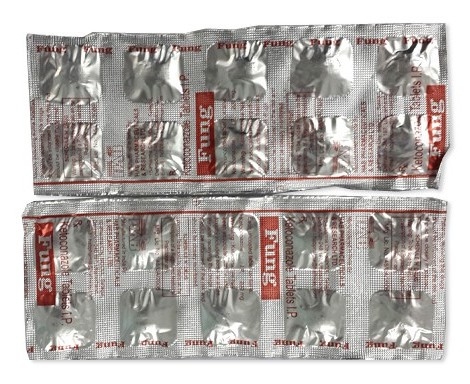
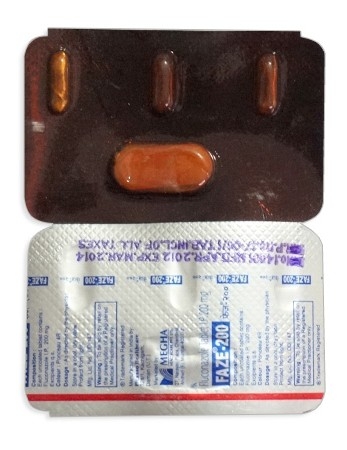
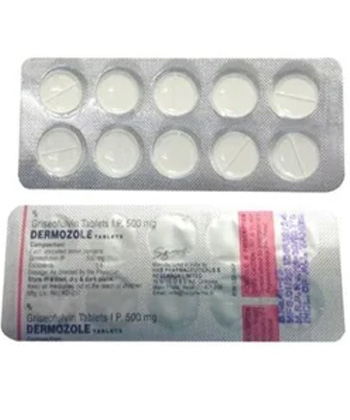
Basic Miconazole Information
- INN (International Nonproprietary Name): Miconazole
- Brand names available in Canada: Monistat, Daktarin, and others
- ATC Code: D01AC09
- Forms & dosages: Creams, gels, and vaginal suppositories
- Manufacturers in Canada: Various, including Johnson & Johnson
- Registration status in Canada: Approved
- OTC / Rx classification: Over the counter
Latest Research Highlights
Recent clinical trials conducted in Canada and internationally from 2022 to 2025 have revealed important insights regarding the effectiveness and safety of miconazole. Noteworthy findings indicate significant outcomes for treating Candida infections, particularly vaginal yeast infections, and various dermatological conditions. These studies are pivotal as they help to inform treatment options for Canadian patients suffering from fungal infections.
In clinical trials, miconazole has shown to effectively reduce fungal loads and alleviate symptoms in patients. Particularly, the evaluations included diverse populations, demonstrating the drug's broad applicability across demographics typical within Canada. This is crucial considering the rising prevalence of fungal infections and their impact on patient quality of life. The implications of these findings suggest a potential increase in miconazole prescriptions and broader availability in pharmacies across Canada.
A summary of key trial findings can be presented in the following table:
| Study Location | Focus Area | Outcome |
|---|---|---|
| Canada | Candida Infections | Effective symptom relief and clearance |
| International | Dermatological Uses | High patient satisfaction and low side effects |
Clinical Effectiveness in Canada
Health Canada has recognized miconazole as a pivotal treatment, with its approval status detailed in the monographs. The Drug Identification Number (DIN) assigned to miconazole enhances its accessibility in pharmacies. Miconazole is included in provincial formularies such as the Ontario Drug Benefit and RAMQ in Quebec, making it a viable option for healthcare providers.
Common conditions treated with miconazole in Canadian healthcare settings include:
- Vaginal yeast infections
- Fungal skin infections
- Oral thrush
This inclusion not only indicates its effectiveness but also reflects the positive guidelines established for prescribing treatments against these common infections. Therefore, patients can expect consistent availability and appropriate guidance from healthcare professionals regarding the use of miconazole.
Indications & Expanded Uses
The use of miconazole extends beyond just the approved indications outlined by Health Canada. Off-label uses include treating athlete's foot, diaper rashes, and certain fungal infections in pets. The cultural context surrounding the application of miconazole varies, with some communities relying on traditional home remedies alongside contemporary medical practices. This dual approach highlights the versatility of miconazole in managing fungal infections across different demographics.
Additionally, miconazole is often compared to other antifungal agents like clotrimazole. Patients frequently seek information on clotrimazole vs miconazole for yeast infection, reflecting the demand for effective treatment options tailored to individual needs.
Composition & Brand Landscape
Miconazole's active ingredient is miconazole nitrate, which serves as its primary antifungal component. In Canada, various brand names and generic alternatives are available to cater to consumer preferences. Some popular brands include Monistat and Daktarin, known for their targeted formulations in treating fungal infections.
Availability in pharmacies spans across both brick-and-mortar and online retailers, allowing for easier access. Below is a comparison of brand names and their generic equivalents:
| Brand Name | Generic Name |
|---|---|
| Monistat | Miconazole Nitrate |
| Daktarin | Miconazole |
Contraindications & Special Precautions
While miconazole is generally safe, there are specific contraindications highlighted in Health Canada advisories. Special caution is advised for certain patient groups, including Indigenous populations and those with comorbidities that may increase the risk of adverse effects.
- Patients with history of hypersensitivity to miconazole
- Individuals with severe liver disease
- Those experiencing concurrent health complications
Understanding these factors is essential for healthcare providers to ensure safe prescribing practices. Attention to cultural context and health disparities can enhance patient outcomes and treatment efficacy.
Dosage Guidelines
Understanding how to properly use miconazole is crucial, especially for effective treatment while minimizing risks.
- Standard Dosing Initially: For topical applications of miconazole, a typical dose is applying the cream to the affected area once or twice daily. For vaginal treatments, a common regimen typically involves a single evening dose.
- Elderly Patients: Older adults should generally start with lower doses to gauge how they tolerate the medication.
- Children: Pediatric dosing can vary, but children aged 2 years and older are often given a topical dosage according to body weight.
- Renal Impairment: For patients with kidney issues, dosing may need adjustment. Miconazole is generally safe, but monitoring renal function is always a good practice.
- Hepatic Impairments: People with significant liver dysfunction should consult a healthcare provider, as the effects of miconazole may be altered.
Always follow local provincial health guidelines. Dosage adjustments for various populations are essential to ensure safety and efficacy.
Interactions Overview
Patients should be aware of potential interactions when using miconazole.
Common interactions include:
- Food and Alcohol: Consuming alcohol might increase the risk of side effects while on miconazole.
- Health Canada Warnings: Certain medications like blood thinners may pose a risk when used concurrently with miconazole.
- Patient Compliance: The complexity of managing these interactions can affect how patients adhere to their treatment. Simplifying directions, like avoiding alcohol, can enhance compliance.
It's advisable to review all medications and habits with a healthcare professional to minimize any risks associated with miconazole.
Cultural Perceptions & Patient Habits
Many Canadians share their experiences with miconazole in online forums, voicing both relief and confusion. Feedback about effectiveness and side effects varies widely.
Rural and urban pharmacy access differs significantly, impacting how quickly patients can obtain miconazole.
In urban settings, pharmacies may offer immediate availability and knowledgeable staff to discuss questions. Meanwhile, rural areas may have limited stock, complicating patient access.
Bilingual packaging is critical in Quebec and other bilingual regions, ensuring all patients fully understand the usage instructions and safety information, particularly for vulnerable populations.
This accessibility issue emphasizes the need for pharmacies to consider regional demographics in their offerings.
Availability & Pricing Patterns
Miconazole is available primarily at major Canadian pharmacy chains including Shoppers Drug Mart and Jean Coutu, where it can be purchased without a prescription.
The pricing may vary depending on location and pharmacy chain. Here’s a breakdown of average prices across several provinces:
| Province | Average Price (CAD) |
|---|---|
| Ontario | $12.99 |
| Quebec | $13.49 |
| British Columbia | $14.99 |
| Alberta | $13.99 |
Despite the overall availability, online pharmacy restrictions may occur, affecting access for some patients.
Comparing to the US pharmacies, where prices might range from $10 to $20, Canadians often find miconazole more affordably priced at local pharmacies.
Comparable Medicines and Preferences
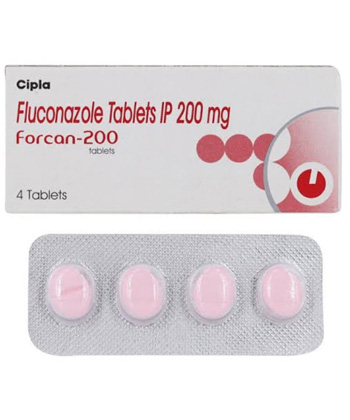
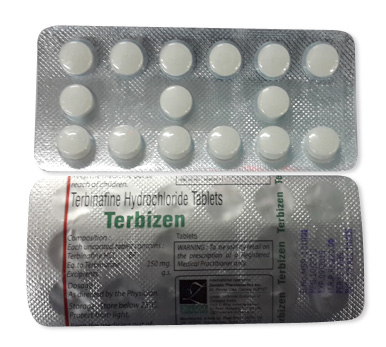
When considering alternatives to miconazole, Canada's market offers a range of antifungal medications, each with its own unique attributes. Some notable competitors include clotrimazole, fluconazole, and terbinafine.
| Medicine | DIN | Key Attributes |
|---|---|---|
| Clotrimazole | 02268571 | Topical, broad-spectrum antifungal. |
| Fluconazole | 00458692 | Oral, effective against systemic infections. |
| Terbinafine | 01882605 | Oral/topical, targets dermatophytes. |
Here's a pros and cons checklist for clinicians:
- Clotrimazole: Quick-acting, few side effects; may cause irritation.
- Fluconazole: Strong effectiveness; requires prescription, possible interactions.
- Terbinafine: Excellent efficacy for nail infections; risk of liver issues.
Understanding these attributes and weighing them against miconazole can help clinicians tailor antifungal treatments to patient needs.
FAQ Section
Is miconazole safe during pregnancy?
Yes, miconazole is generally considered safe for use in pregnant individuals, but it's important to consult a healthcare provider for personalised advice.
Can miconazole be purchased over-the-counter in Canada?
Absolutely! Miconazole is available without a prescription, making it accessible for treating common fungal infections.
What is the best way to apply miconazole cream for a yeast infection?
Make sure to apply a thin layer to the affected area, following the instructions on the packaging. It's best to use it at night for optimal results.
Are there any common side effects of miconazole?
Patients may experience mild irritation, a burning sensation, or redness. If symptoms persist, it's advisable to seek medical consultation.
Guidelines for Proper Use
Here are pharmacist recommendations for using miconazole effectively:
- Ensure the affected area is clean and dry before application.
- Apply miconazole as directed, usually once or twice daily for a specified duration.
- Complete the entire course even if symptoms improve.
- Monitor for any adverse reactions, and contact a healthcare provider if they occur.
For best outcomes, provincial health authorities emphasize:
- Regular follow-ups to monitor treatment efficacy.
- Patient education about proper hygiene to prevent reinfection.
| City | Region | Delivery Time |
|---|---|---|
| Toronto | Ontario | 5–7 days |
| Vancouver | British Columbia | 5–7 days |
| Montreal | Quebec | 5–7 days |
| Calgary | Alberta | 5–7 days |
| Edmonton | Alberta | 5–7 days |
| Ottawa | Ontario | 5–7 days |
| Halifax | Nova Scotia | 5–9 days |
| Winnipeg | Manitoba | 5–9 days |
| Victoria | British Columbia | 5–9 days |
| Quebec City | Quebec | 5–9 days |
| St. John's | Newfoundland and Labrador | 5–9 days |
| Saskatoon | Saskatchewan | 5–9 days |
| Regina | Saskatchewan | 5–9 days |
| London | Ontario | 5–9 days |