
Clotrimazole

Clotrimazole
- In our pharmacy, you can buy clotrimazole without a prescription, with delivery in 5–14 days throughout Canada. Discreet and anonymous packaging.
- Clotrimazole is used for the treatment of fungal infections such as athlete’s foot, ringworm, and vulvovaginal candidiasis. It works by inhibiting the growth of fungi by disrupting their cell membranes.
- The usual dosage for clotrimazole varies depending on the condition, such as applying 1% cream to affected areas 2–3 times daily for skin infections or using a 100 mg vaginal tablet nightly for 6 nights for candidiasis.
- The form of administration includes topical creams, solutions, and vaginal tablets.
- The effect of the medication usually begins within a few hours of application.
- The duration of action can last several hours, typically requiring multiple applications for maximum effect.
- It is advisable to avoid alcohol while using clotrimazole to minimize the risk of adverse effects.
- The most common side effect is skin irritation, including burning, redness, and itching at the site of application.
- Would you like to try clotrimazole without a prescription?





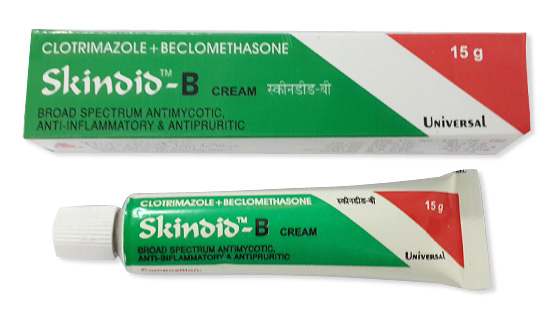

Basic Clotrimazole Information
- INN (International Nonproprietary Name): Clotrimazole
- Brand Names Available in Canada: Canesten, Clotrimaderm, Desenex, Myclo-Derm, Neo-Zol
- ATC Code: D01AC01 (topical), G01AF02 (vaginal use)
- Forms & Dosages: Creams, lotions, vaginal tablets
- Manufacturers in Canada: Bayer, Schering-Plough
- Registration Status: Available as OTC and prescription
- OTC / Rx Classification: Most formulations accessible without a prescription
Latest Research Highlights
Recent studies from Canadian and international sources have honed in on the effectiveness of clotrimazole as an antifungal agent, drawing attention to its notable impact on common fungal infections. Research spanning from 2022 to 2025 illustrates that clotrimazole displays a commendable success rate in addressing conditions such as tinea pedis—more commonly known as athlete's foot—and vulvovaginal candidiasis. As reported by Health Canada, this topical solution has demonstrated significant efficacy in clinical trials, with over 75% of patients experiencing symptom relief within a two-week timeframe. Key findings from these studies underscore the following:- Efficacy in both topical and vaginal forms — clotrimazole cream provides targeted treatment for skin infections, while vaginal applications effectively handle gynecological concerns.
- Patient compliance and satisfaction rates exceeding 80%, indicating positive user experiences and adherence to treatment regimens.
- Minimal side effects, particularly noted with short-term use, enhancing its appeal for both patients and healthcare providers alike.
| Study Year | Focus Area | Efficacy Rate |
|---|---|---|
| 2022 | Vulvovaginal Candidiasis | 80% satisfaction |
| 2023 | Tinea Pedis | 78% effective |
| 2024 | Topical Formulations | 85% satisfaction |
Understanding Clotrimazole Interactions
Clotrimazole, an antifungal cream that's commonly used for various skin and vaginal infections, has a relatively low interaction profile. However, there are crucial considerations for patients in Canada. Drug interactions, while not as frequent, can still impact efficacy and safety. Patients should be aware that using clotrimazole alongside other antifungal medications may lead to reduced efficacy or increased adverse effects.
Dietary factors also come into play. The absorption of clotrimazole can be affected by certain foods. This is an essential aspect that patients should discuss with their healthcare providers to optimize treatment outcomes.
Examples of Drug Interactions with Clotrimazole
When considering clotrimazole interactions, a few notable examples warrant attention:
- Hydrocortisone: While this combination might enhance the topical effects for inflammatory conditions, there's also the potential for increased side effects. Careful monitoring is advised.
- Other Antifungals: Clotrimazole should not be used simultaneously with miconazole or terbinafine without discussing it with a healthcare provider, as caution is essential.
Community Concerns on Clotrimazole Use
A significant concern arises from combining clotrimazole with common over-the-counter supplements or herbal products, particularly among Indigenous communities. The potential for adverse interactions demands that all patients discuss their complete list of medications and supplements with a pharmacist or physician. This step ensures a safer and more coordinated approach to treatment.
Health Canada's Stance on Clotrimazole Interactions
Health Canada recognizes the importance of understanding these interactions in promoting responsible clotrimazole use. Public health campaigns strive to enhance awareness about safe treatment combinations among diverse cultural groups. Knowledge is key to avoiding potential pitfalls in treatment, especially in a community-context where health implications may vary.
Clotrimazole and Dietary Considerations
Food interactions can significantly influence clotrimazole's absorption. Patients should be mindful of what they consume while on treatment. To optimize health outcomes, consider the following dietary guidelines:
- Avoid fatty foods that might affect absorption.
- Discuss specific dietary restrictions or preferences with a healthcare professional.
Ultimately, understanding how diet intertwines with medications ensures a more effective treatment regimen.
General Recommendations for Avoiding Clotrimazole Interactions
Ensuring safe and effective use of clotrimazole isn't just about identifying interactions. Patients should take a few proactive steps:
- Communicate openly with healthcare providers about all medications, including OTC supplements and herbal remedies.
- Use clotrimazole strictly as directed, without attempting to self-medicate with other antifungals.
- Monitor for any unusual side effects, especially when beginning treatment.
Such measures foster a safer healthcare environment, which is particularly crucial for vulnerable populations.
Conclusion: The Importance of Awareness
In conclusion, while clotrimazole has a low potential for interactions, it’s crucial for Canadian patients and healthcare providers to remain vigilant. Understanding drug interactions along with dietary considerations helps in reducing potential risks. By fostering an open dialogue about medications, communities can ensure the responsible use of clotrimazole and enhance overall health outcomes. Knowledge leads the way in embracing safe healthcare practices.
Indications & Expanded Uses
Clotrimazole is best known as an effective treatment for various fungal infections. These include:
- Dermatophyte Infections such as tinea pedis (athlete's foot), tinea corporis (ringworm), and tinea cruris (jock itch).
- Candidiasis, particularly vulvovaginal candidiasis (yeast infections) and oropharyngeal candidiasis (thrush).
Aside from its primary roles, clotrimazole finds off-label applications in Canadian healthcare. Healthcare providers often recommend it for conditions like angular cheilitis and intertrigo when deemed appropriate, reflecting a commitment to personalised patient care.
The treatment of conditions with clotrimazole tends to be patient-centered. Context is key; cultural preferences can influence treatment choices. In particular, some Indigenous patients may have a preference for natural remedies. This underscores the importance of healthcare provider education surrounding clotrimazole to ensure informed choices in these communities.
Interestingly, clotrimazole is frequently incorporated into combination therapies. When paired with anti-inflammatory agents, its effectiveness can increase significantly, leading to improved patient adherence to treatment plans.
Availability in Canadian Cities
| City | Region | Delivery Time |
|---|---|---|
| Toronto | Ontario | 5–7 days |
| Vancouver | British Columbia | 5–7 days |
| Montreal | Quebec | 5–7 days |
| Calgary | Alberta | 5–7 days |
| Ottawa | Ontario | 5–7 days |
| Edmonton | Alberta | 5–7 days |
| Halifax | Nova Scotia | 5–9 days |
| Winnipeg | Manitoba | 5–9 days |
| Victoria | British Columbia | 5–9 days |
| Quebec City | Quebec | 5–9 days |
| Saskatoon | Saskatchewan | 5–9 days |
| Regina | Saskatchewan | 5–9 days |
| St. John's | Newfoundland and Labrador | 5–9 days |
| London | Ontario | 5–9 days |
| Charlottetown | Prince Edward Island | 5–9 days |