Nicotine is a highly addictive substance that rapidly reaches the brain within seconds of inhalation. Once there, it binds to nicotine receptors, triggering the release of dopamine and other neurotransmitters that create feelings of pleasure and relaxation. Over time, your brain adapts to regular nicotine exposure by reducing natural dopamine production and increasing the number of nicotine receptors. This neurological change creates physical dependency, making it increasingly difficult to feel normal without nicotine.
Withdrawal symptoms typically begin within hours of your last cigarette and can include irritability, anxiety, difficulty concentrating, increased appetite, and strong cravings. Most physical symptoms peak within the first 72 hours and gradually subside over 2-4 weeks, though psychological cravings may persist longer.
Quitting smoking provides immediate and long-term health benefits, including improved circulation within weeks and reduced cancer risk over time. Financially, the average Canadian smoker saves over $3,000 annually by quitting. Understanding that quitting is a process, not a single event, helps set realistic expectations for your journey to becoming smoke-free.
Nicotine patches provide steady, controlled nicotine delivery through the skin over 16 or 24 hours. Available in various strengths (typically 7mg, 14mg, and 21mg), patches are applied to clean, dry skin on the upper body. Heavy smokers usually start with the highest strength and gradually reduce dosage over 8-12 weeks.
Nicotine gum requires proper technique: chew slowly until you taste nicotine, then park between your cheek and gum. Available in 2mg and 4mg strengths with flavours like mint and fruit. Nicotine lozenges dissolve slowly in your mouth, providing controlled nicotine release over 20-30 minutes.
Your ideal NRT depends on your smoking patterns and lifestyle preferences:
Consult with your pharmacist to determine the most suitable NRT approach for your specific needs and smoking history.
Champix (varenicline) is a prescription medication specifically designed to help Canadians quit smoking by targeting nicotine receptors in the brain. This medication works by partially blocking these receptors, reducing both the pleasurable effects of nicotine and withdrawal symptoms. The typical dosing schedule begins with a one-week starter pack, followed by 11 weeks of maintenance therapy. Common side effects may include nausea, vivid dreams, and changes in mood. It's essential to discuss your medical history with your healthcare provider, as Champix may not be suitable for individuals with certain mental health conditions or cardiovascular concerns.
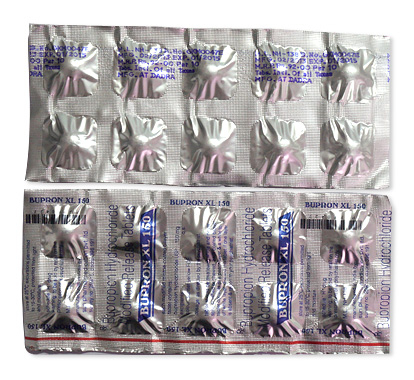
Zyban (bupropion) offers a unique approach to smoking cessation through its antidepressant properties, making it particularly beneficial for individuals who experience depression or anxiety during their quit journey. Originally developed as an antidepressant, Zyban helps reduce nicotine cravings and withdrawal symptoms by affecting dopamine and norepinephrine levels in the brain. Treatment typically begins one to two weeks before your quit date and continues for 7-12 weeks. Your pharmacist can provide detailed information about potential interactions with other medications and monitor your progress throughout treatment.
In Canada, both Champix and Zyban require a valid prescription from a licensed healthcare provider. Your doctor or nurse practitioner will assess your smoking history, current health status, and previous quit attempts to determine the most appropriate medication. Regular follow-up appointments are recommended to monitor your progress and adjust treatment as needed. Many Canadian pharmacies also offer smoking cessation consultations where pharmacists can provide additional support and answer questions about your prescribed medication.
Research consistently shows that combining prescription medications with behavioural support significantly increases your chances of successfully quitting smoking. Canadian healthcare providers often recommend integrating counselling, support groups, or quitlines alongside medication therapy. Many provinces offer free telephone counselling services, and your pharmacy may provide additional resources such as quit smoking pamphlets, tracking tools, and regular check-ins with pharmacists who specialize in smoking cessation support.
Coverage for smoking cessation medications varies across Canadian provinces and private insurance plans. Many provincial drug plans cover prescription smoking cessation aids, though eligibility requirements and coverage limits may apply. Private insurance plans often provide partial or full coverage for these medications. It's advisable to check with your insurance provider or speak with your pharmacist about available coverage options and potential cost-saving programs offered by pharmaceutical manufacturers.
Canadian pharmacies stock various natural remedies that may support your smoking cessation journey, though their effectiveness varies among individuals. Popular options include lobelia, which some believe helps reduce nicotine cravings, and St. John's Wort, traditionally used for mood support during stressful periods. Other herbal supplements such as valerian root may help manage anxiety and sleep disturbances commonly experienced during quitting. Always consult with your pharmacist before starting any herbal supplements, especially if you're taking other medications or have underlying health conditions.
Modern technology offers numerous digital tools to support your quit smoking journey. Many Canadian health organizations recommend apps that track your progress, calculate money saved, and provide daily motivation. Popular features include craving counters, milestone celebrations, and peer support networks. Some apps integrate with provincial quitlines and provide access to virtual counselling sessions. Your pharmacist can recommend evidence-based apps that complement other smoking cessation treatments and help you stay motivated throughout your quit journey.
Managing the oral fixation aspect of smoking is crucial for many individuals attempting to quit. Canadian pharmacies offer various oral substitutes designed to address this behavioural component of smoking addiction. These products help satisfy the hand-to-mouth habit without harmful chemicals:
Quitting smoking places additional nutritional demands on your body as it begins to heal and recover. Canadian pharmacists often recommend specific vitamins and supplements to support this recovery process. Vitamin C helps repair tissue damage caused by smoking, while B-complex vitamins support nervous system health during withdrawal. Magnesium may help reduce anxiety and improve sleep quality, and omega-3 fatty acids support cardiovascular health. Your pharmacist can create a personalized supplement plan based on your individual needs and ensure compatibility with any medications you're taking.
Many Canadian pharmacies maintain networks of qualified alternative therapy practitioners who specialize in smoking cessation support. Acupuncture has shown promise in reducing withdrawal symptoms and cravings, with many practitioners offering specialized protocols for smoking cessation. Hypnotherapy sessions focus on changing subconscious smoking patterns and building motivation to remain smoke-free. While coverage for these services varies, some extended health benefits plans include alternative therapies. Your pharmacist can provide referrals to licensed practitioners in your area and help you understand potential costs and insurance coverage options.
Developing a structured quit plan significantly increases your chances of successfully stopping smoking. Start by setting a specific quit date within the next two weeks, allowing enough time to prepare mentally and practically. Choose a date that avoids high-stress periods or social events where you might be tempted to smoke.
Understanding your personal smoking triggers is crucial for long-term success. Common triggers include stress, alcohol, coffee, driving, or certain social situations. Develop alternative coping strategies such as deep breathing exercises, chewing gum, or taking a brief walk when cravings arise.
Surround yourself with supportive family members, friends, and healthcare professionals who understand your quit journey. Inform them of your quit date and ask for their encouragement during challenging moments. Consider involving your pharmacist, who can provide ongoing guidance and monitor your progress with cessation aids.
Track your progress using a quit-smoking app or journal, celebrating milestones like your first smoke-free day, week, and month. If you experience a relapse, don't view it as failure—most successful quitters make several attempts before achieving long-term success. Learn from the experience and adjust your strategy accordingly.
Canada offers comprehensive smoking cessation support through various professional services and resources designed to help you quit successfully. These evidence-based programs provide expert guidance and ongoing support throughout your quit journey.
Every province and territory in Canada operates dedicated quitlines staffed by trained counsellors who provide free telephone support. These services offer personalized quit plans, coping strategies, and follow-up calls to monitor your progress. The national toll-free number connects you to your provincial quitline for convenient access.
Regional health authorities across Canada offer structured smoking cessation programs, often including group sessions and individual counselling. Health Canada's official smoking cessation website provides comprehensive resources, including:
Many pharmacies offer specialized smoking cessation counselling services, helping you select appropriate nicotine replacement therapies and providing ongoing follow-up support. Community support groups and peer counselling programs connect you with others sharing similar experiences. Integrating these services with your family doctor or specialist clinics ensures comprehensive care tailored to your specific health needs.