Sleep disorders affect millions of Canadians, with studies showing that approximately 30% of adults experience symptoms of insomnia. Common sleep problems include difficulty falling asleep, frequent nighttime awakenings, early morning waking, and non-restorative sleep that leaves you feeling tired despite adequate sleep time.
You may benefit from sleep assistance if you experience persistent sleep difficulties for more than a few weeks, daytime fatigue affecting your work or daily activities, or if stress and lifestyle factors are disrupting your natural sleep patterns. Several types of sleep disorders can impact Canadians, including:
It's important to consult healthcare professionals if sleep problems persist beyond two weeks, if you experience severe daytime impairment, or if you have underlying health conditions that may be affecting your sleep. A pharmacist can help you choose appropriate over-the-counter options, while persistent or severe sleep issues may require evaluation by a physician or sleep specialist.
Sleeping aids can help restore healthy sleep patterns by reducing the time it takes to fall asleep, minimizing nighttime awakenings, and promoting more restful sleep quality when used appropriately as part of a comprehensive sleep hygiene approach.
Health Canada approves several over-the-counter sleep medications that are widely available in Canadian pharmacies. Diphenhydramine-based products, including popular brands like Nytol and Sleep-Eze, are antihistamines that cause drowsiness as a side effect. These medications typically contain 25-50mg of diphenhydramine and are effective for short-term sleep difficulties.
Doxylamine succinate, found in products like Unisom, is another antihistamine option that may provide longer-lasting sleep support. This ingredient is often preferred by individuals who experience middle-of-the-night awakening, as it has a longer duration of action than diphenhydramine.
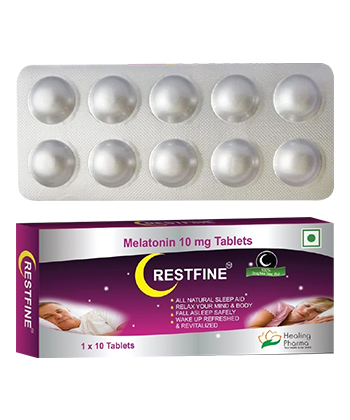
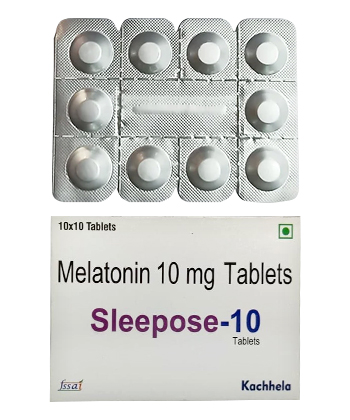
Melatonin supplements are increasingly popular natural sleep aids available without prescription in Canada. These products help regulate your body's natural sleep-wake cycle and are particularly effective for circadian rhythm disorders, jet lag, and shift work sleep problems. Melatonin is available in various doses, typically ranging from 1-10mg.
Combination products that include both sleep aids and pain relievers (such as acetaminophen or ibuprofen) are beneficial for individuals whose sleep is disrupted by minor aches and pains. However, these should only be used when both sleep assistance and pain relief are needed.
Proper dosing involves taking sleep medications 30-60 minutes before intended bedtime, following package directions carefully, and avoiding alcohol consumption. Most over-the-counter sleep aids are intended for short-term use (7-14 days) unless directed otherwise by a healthcare provider.
Natural sleep aids offer a gentler approach to improving sleep quality without the dependency concerns associated with pharmaceutical options. These plant-based and nutritional supplements work with your body's natural processes to promote relaxation and better sleep patterns.
Valerian root has been used for centuries as a natural sleep aid, helping to reduce the time it takes to fall asleep and improve sleep quality. Chamomile, available in both tea and capsule form, contains compounds that bind to brain receptors to promote drowsiness and reduce anxiety. Passionflower and lemon balm work synergistically to calm the nervous system and ease restlessness before bedtime.
Magnesium and calcium combinations help regulate neurotransmitters that signal the brain to wind down for sleep. L-theanine, found naturally in green tea, promotes relaxation without drowsiness, while tryptophan serves as a precursor to melatonin production.
While natural doesn't always mean completely safe, herbal sleep remedies generally have fewer side effects than prescription medications. However, it's important to:
When sleep problems persist despite lifestyle changes and natural remedies, prescription sleep medications may be necessary. In Canada, several classes of prescription sleep aids are available through licensed healthcare providers, each designed for specific sleep disorders and duration of treatment.
Health Canada has approved various prescription sleep medications including benzodiazepines, non-benzodiazepine hypnotics (Z-drugs), and certain antidepressants with sedating properties. These medications work by enhancing the brain's natural sleep-wake cycle or by reducing anxiety that interferes with sleep.
Short-term treatments (typically 2-4 weeks) are prescribed for acute insomnia caused by stress, travel, or temporary life changes. Long-term treatments may be considered for chronic sleep disorders but require careful monitoring due to potential dependency and tolerance issues.
Working closely with your doctor or sleep specialist is essential for safe and effective treatment. Regular follow-ups help monitor effectiveness, adjust dosages, and watch for side effects such as daytime drowsiness, memory issues, or dependency. Never share prescription sleep medications or alter dosages without medical guidance, as improper use can lead to serious health complications.</
Using sleeping aids safely requires careful attention to proper usage guidelines and developing healthy sleep habits. Always read medication labels thoroughly and follow the recommended dosage instructions precisely. Never exceed the suggested amount, as this can lead to dangerous side effects or increased dependency risk.
Avoid consuming alcohol while taking sleep aids, as this combination can cause severe drowsiness, respiratory depression, and impaired coordination. Be aware of potential drug interactions by informing your pharmacist about all medications and supplements you're currently taking, including prescription drugs, over-the-counter medicines, and herbal products.
Understanding dependency risks is crucial for safe use. Many sleep aids can become habit-forming if used regularly for extended periods. Take sleep aids only when necessary and follow the recommended duration of use. Timing is essential – take your sleep aid only when you can dedicate 7-8 hours to sleep, as taking it too late may cause morning drowsiness.
Complement your sleep aid use with healthy sleep habits such as maintaining a consistent sleep schedule, creating a comfortable sleep environment, limiting screen time before bed, and avoiding caffeine late in the day. These practices can enhance the effectiveness of sleep aids and may reduce your need for medication over time.
Selecting the appropriate sleep aid depends on several important factors including the nature of your sleep problems, your age, health conditions, and other medications you may be taking. Consider whether you have difficulty falling asleep, staying asleep, or both, as different products target specific sleep issues.
Seniors require special consideration when choosing sleep aids, as they may be more sensitive to sedating effects and face higher risks of falls, confusion, and drug interactions. Lower doses and shorter-acting formulations are often recommended for older adults.
Consult with your pharmacist for personalized advice based on your specific situation. They can recommend appropriate products and identify potential interactions with your current medications. If sleep problems persist despite using over-the-counter aids, or if you experience daytime fatigue, mood changes, or other concerning symptoms, seek medical attention to explore alternative treatments or address underlying sleep disorders.