Canada offers a comprehensive range of over-the-counter pain relievers that can effectively manage various types of discomfort without requiring a prescription. Understanding the differences between these medications helps you choose the most appropriate option for your specific needs while ensuring safe and effective pain management.
Acetaminophen remains one of Canada's most trusted pain relievers, particularly effective for headaches, fever reduction, and mild to moderate pain. Adults can safely take 325-1000mg every 4-6 hours, with a maximum daily dose of 4000mg. This medication works by blocking pain signals in the brain and is gentle on the stomach, making it suitable for those with sensitive digestive systems.
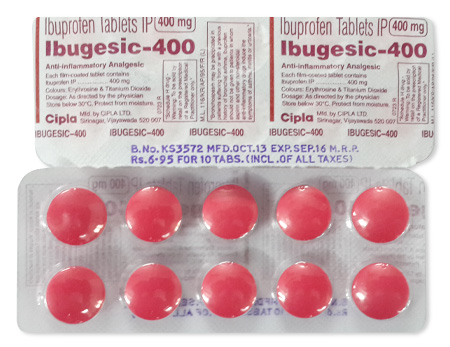
Ibuprofen belongs to the NSAID family and provides excellent anti-inflammatory properties alongside pain relief. It's particularly effective for muscle pain, joint discomfort, and conditions involving swelling. The recommended adult dose is 200-400mg every 4-6 hours, not exceeding 1200mg daily without medical supervision.
Aspirin offers dual benefits of pain relief and blood-thinning properties, supporting both pain management and cardiovascular health. Naproxen provides longer-lasting relief, typically requiring only twice-daily dosing, making it convenient for chronic pain management.
Important safety guidelines include:
Topical pain relief products offer targeted treatment directly at the source of discomfort, providing localized relief without the systemic effects of oral medications. These solutions are particularly beneficial for muscle soreness, joint pain, and arthritis, allowing for precise application and reduced risk of side effects.
Popular Canadian brands like Bengay and Aspercreme utilize menthol to create a cooling sensation that helps distract from pain signals. These products are excellent for muscle soreness after exercise, minor sprains, and tension-related discomfort. The cooling effect typically begins within minutes of application and can provide relief for several hours.
Capsaicin creams work by depleting substance P, a chemical that transmits pain signals, making them particularly effective for arthritis and nerve pain. Anti-inflammatory gels containing diclofenac provide targeted NSAID therapy directly to affected areas, reducing inflammation and pain simultaneously.
Modern patch technology offers convenient, hands-free pain relief. Heat patches increase blood flow and relax muscles, while cooling patches reduce inflammation and numb pain. These patches can provide up to 8-12 hours of continuous relief.
Proper application ensures maximum effectiveness:
Consult with your pharmacist about potential skin sensitivities and the best topical option for your specific condition and lifestyle needs.
Many Canadians are turning to natural and herbal alternatives for managing pain, seeking gentler approaches that complement traditional medications. These plant-based options offer effective relief while often presenting fewer side effects than conventional pharmaceuticals.
Turmeric supplements have gained significant recognition for their potent anti-inflammatory properties, particularly beneficial for joint health and arthritis management. The active compound curcumin helps reduce inflammation naturally, making it an excellent choice for chronic pain sufferers. Willow bark extract serves as nature's aspirin alternative, containing salicin which converts to salicylic acid in the body, providing effective pain and fever relief.
Arnica products are widely used in homeopathic applications for treating bruises, muscle strains, and post-injury recovery. Available in creams, gels, and oral preparations, arnica helps reduce swelling and accelerate healing. Essential oils offer versatile pain management through aromatherapy and topical applications, with lavender, peppermint, and eucalyptus being particularly effective for headaches and muscle tension.
When incorporating natural products into your pain management routine, it's crucial to consult with healthcare professionals, especially when combining with prescription medications. Look for products with Health Canada Natural Product Numbers (NPN) or Homeopathic Medicine Numbers (DIN-HM) to ensure quality and safety standards are met.
Different types of pain require targeted treatment approaches, and specialized formulations are designed to address specific conditions more effectively than general pain relievers. Understanding which products work best for particular pain types can significantly improve your comfort and recovery.
Migraine and headache relief medications like Excedrin combine acetaminophen, ASA, and caffeine in specialized formulations that target the unique mechanisms of headache pain. These products often provide faster onset and more comprehensive relief than single-ingredient alternatives.
Menstrual pain relief options include targeted formulations containing ingredients like naproxen sodium or ibuprofen, specifically dosed for menstrual cramps and associated symptoms. Many of these products also address bloating and mood changes that accompany menstrual discomfort.
Children's pain relief products feature age-appropriate dosing, pleasant flavours, and formulations designed for developing bodies. Senior-specific options often consider multiple medication interactions and provide gentle, effective relief suitable for older adults' unique health needs and sensitivities.
Beyond medication, numerous non-pharmaceutical approaches can effectively manage pain and support your body's natural healing processes. These complementary solutions work alongside traditional treatments to provide comprehensive pain relief and improved quality of life.
Hot and cold therapy products offer immediate relief for various pain conditions. Heating pads and gel packs help relax muscles and improve circulation, while ice packs reduce inflammation and numb acute pain. Many Canadians find alternating between heat and cold therapy particularly effective for sports injuries and chronic joint pain.
Compression garments, joint supports, and ergonomic accessories help maintain proper alignment and reduce strain on painful areas. TENS units provide drug-free electronic pain relief by stimulating nerves and blocking pain signals. Additionally, specialized sleep positioning products and exercise aids support pain prevention and recovery, helping you maintain an active lifestyle while managing discomfort.
Understanding different types of pain helps you choose appropriate treatment approaches. Acute pain typically signals injury or illness and resolves with healing, while chronic pain persists beyond normal recovery time. Inflammatory pain responds well to anti-inflammatory treatments, whereas neuropathic pain requires specialized approaches targeting nerve function.
Certain symptoms require immediate medical attention, including severe chest pain, sudden onset headaches, numbness or weakness, or pain accompanied by fever and swelling. These may indicate serious underlying conditions requiring prompt professional intervention.
Effective pain management involves collaboration between you, your healthcare provider, and your pharmacist. In Canada, prescription pain medications are carefully regulated, and your pharmacist can provide valuable guidance on proper usage, potential interactions, and alternative options. Many provinces offer pain management programs and resources to support long-term relief strategies.