Muscle relaxants are a class of medications specifically designed to reduce muscle tension, spasms, and stiffness. These therapeutic agents work by targeting different pathways in the nervous system to provide relief from acute and chronic muscle-related conditions. In Canada, muscle relaxants are commonly prescribed to help patients manage pain and improve mobility when other conservative treatments prove insufficient.
The primary distinction between muscle relaxant types lies in their mechanism of action. Central-acting muscle relaxants work directly on the brain and spinal cord, affecting the central nervous system's ability to transmit pain signals and muscle contractions. These medications essentially "turn down" the nerve signals that cause muscle tension. Peripherally-acting muscle relaxants, on the other hand, work at the muscle level itself, blocking the communication between nerves and muscle fibres.
Healthcare providers in Canada distinguish between antispasmodic and antispasticity medications based on the underlying condition. Antispasmodic drugs treat sudden, involuntary muscle contractions often associated with acute injuries or musculoskeletal conditions. Antispasticity medications are specifically formulated for patients with neurological conditions like multiple sclerosis, cerebral palsy, or spinal cord injuries, where muscle stiffness results from damaged nerve pathways.
Muscle relaxants are typically prescribed when patients experience significant pain and mobility limitations that don't respond adequately to rest, physical therapy, or over-the-counter pain relievers. Canadian physicians often recommend these medications as part of a comprehensive treatment plan that includes physiotherapy, lifestyle modifications, and other therapeutic interventions to address the underlying cause of muscle dysfunction.
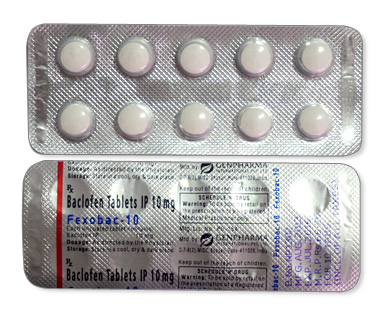
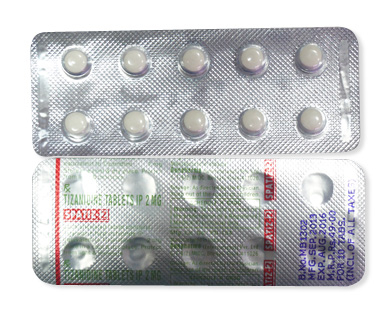
Several muscle relaxant medications are readily available through Canadian pharmacies, each offering unique benefits for specific conditions. These prescription medications require proper medical supervision and are typically used for short-term treatment periods to minimize potential side effects and dependency risks.
Cyclobenzaprine is one of the most frequently prescribed muscle relaxants in Canada, particularly effective for treating acute muscle spasms associated with musculoskeletal conditions. This medication works by blocking nerve impulses in the brain and is typically prescribed in 5mg to 10mg doses, taken three times daily. Cyclobenzaprine is especially beneficial for patients experiencing muscle spasms related to back injuries or neck pain.
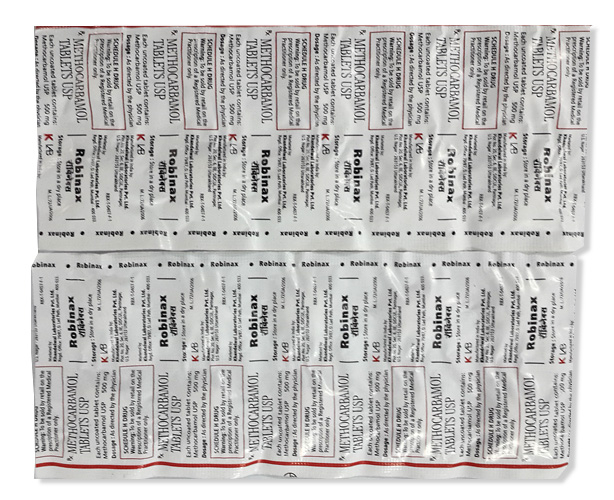
Methocarbamol, commonly known by the brand name Robax, is widely used across Canada for treating back pain and muscle spasms. This central-acting muscle relaxant is available both by prescription and in combination with over-the-counter pain relievers. Healthcare providers often recommend methocarbamol for its relatively mild side effect profile and effectiveness in treating acute musculoskeletal conditions.
Several specialized options are available for specific conditions:
Carisoprodol availability in Canada is limited due to regulatory restrictions, and healthcare providers often recommend alternative options. Most muscle relaxants are available in generic formulations, making treatment more accessible and cost-effective for Canadian patients. Prescription requirements vary, with most medications requiring medical evaluation and ongoing monitoring to ensure safe and effective treatment.
Muscle relaxants play a crucial role in treating acute back pain and muscle strain, providing relief when conventional pain medications may not be sufficient. These medications are particularly effective for sudden-onset muscle spasms that can severely limit mobility and quality of life. For chronic conditions such as fibromyalgia, multiple sclerosis, and cerebral palsy, muscle relaxants help manage persistent muscle tension and spasticity that characterizes these conditions.
Following surgical procedures, muscle relaxants are often prescribed to manage post-operative muscle spasms and facilitate healing. Athletes and active individuals frequently benefit from these medications when dealing with sports-related muscle injuries, helping to reduce recovery time and prevent further muscle damage during the healing process.
Muscle relaxants are most effective when used as part of a comprehensive treatment plan that may include:
Short-term usage is typically recommended for acute conditions, while chronic conditions may require carefully monitored long-term therapy. Effectiveness can vary across different age groups, with elderly patients often requiring adjusted dosages due to slower metabolism and increased sensitivity to medications.
Most patients taking muscle relaxants experience mild side effects including drowsiness, dizziness, and dry mouth. These effects are typically more pronounced when beginning treatment and may diminish as the body adjusts to the medication. Patients should avoid driving or operating machinery until they understand how the medication affects them personally.
Serious adverse reactions requiring immediate medical attention include difficulty breathing, severe allergic reactions, or significant changes in heart rate. Muscle relaxants can have dangerous interactions with alcohol, opioids, and other central nervous system depressants, potentially leading to respiratory depression or extreme sedation. Healthcare providers must review all current medications before prescribing muscle relaxants.
Patients with liver or kidney disease require careful monitoring and potential dosage adjustments, as these organs are responsible for metabolizing and eliminating muscle relaxants from the body. Pregnant and breastfeeding women should consult their healthcare providers, as many muscle relaxants can cross the placental barrier or pass into breast milk. Long-term use carries risks of dependency and withdrawal symptoms, making gradual tapering essential when discontinuing treatment. Proper adherence to prescribed dosages helps prevent overdose complications.
Taking muscle relaxants at the correct intervals is crucial for maintaining therapeutic effectiveness while minimizing side effects. Most muscle relaxants are prescribed for short-term use, typically 2-3 weeks, with specific timing recommendations that vary by medication type. Cyclobenzaprine, for example, is usually taken three times daily, while methocarbamol may be prescribed four times per day initially, then reduced as symptoms improve.
Food intake can significantly affect how your body absorbs and processes muscle relaxants. Some medications should be taken with food to reduce stomach irritation and improve absorption, while others may be more effective on an empty stomach. Always follow your pharmacist's specific instructions regarding food timing, as this can impact both the medication's effectiveness and your comfort level.
Adhering to your prescribed dosage is essential for safe and effective treatment. Taking more than prescribed can lead to dangerous side effects including excessive drowsiness, respiratory depression, or liver damage. Taking less than prescribed may result in inadequate symptom relief and prolonged recovery time. Never adjust your dosage without consulting your healthcare provider first.
If you miss a dose of your muscle relaxant, the appropriate action depends on when you remember and your medication schedule:
Stopping muscle relaxants abruptly can sometimes cause withdrawal symptoms or rebound muscle spasms, particularly with medications that have been used for extended periods. Your healthcare provider will typically recommend a gradual tapering schedule, reducing the dose slowly over several days to weeks. This approach helps your body adjust naturally and minimizes the risk of uncomfortable withdrawal effects.
Regular assessment of your muscle relaxant's effectiveness is important for optimal treatment outcomes. Keep track of your pain levels, range of motion improvements, and any side effects you experience. Your healthcare provider may adjust your medication type, dosage, or frequency based on your response and recovery progress.
Contact your healthcare provider if you experience inadequate pain relief after several days of treatment, severe or persistent side effects, or if your condition worsens despite medication use. Additionally, seek medical advice before making any changes if you're taking other medications or have developed new health conditions that might interact with your muscle relaxant therapy.
Structured physical therapy programs can provide significant relief for muscle spasms and pain while addressing underlying causes of muscle tension. A registered physiotherapist can design a personalized exercise regimen that includes stretching, strengthening, and mobility exercises specific to your condition. These programs often prove more effective than medication alone for long-term muscle health and injury prevention.
Thermal therapy offers immediate, non-pharmaceutical relief for muscle tension and spasms. Cold therapy helps reduce inflammation and numbs acute pain, while heat therapy increases blood flow and relaxes tight muscles. Alternating between ice packs (15-20 minutes) and heating pads (20-30 minutes) can provide comprehensive relief, particularly when combined with gentle stretching.
Professional massage therapy and chiropractic treatments can effectively complement or sometimes replace muscle relaxant medications. Registered massage therapists use various techniques to release muscle tension, improve circulation, and reduce pain. Chiropractors focus on spinal alignment and joint function, which can address root causes of muscle spasms and prevent future occurrences.
Several natural supplements may provide muscle relaxation benefits, though they should be used under professional guidance. Magnesium supplements can help reduce muscle cramps and tension, while valerian root and passionflower may offer mild muscle-relaxing properties. Always consult your pharmacist before combining natural supplements with prescription medications to avoid potential interactions.
Chronic stress significantly contributes to muscle tension and spasms. Incorporating stress management techniques into your daily routine can reduce your reliance on muscle relaxants:
Poor ergonomics and posture often contribute to muscle strain and spasms. Evaluate your workspace, sleeping environment, and daily activities for potential improvements. Proper chair height, monitor positioning, supportive mattresses, and ergonomic tools can prevent muscle tension from developing and reduce your need for medication-based treatments.
The most effective approach to muscle pain often involves combining muscle relaxants with alternative treatments. Your healthcare provider may recommend using medication for initial symptom control while simultaneously beginning physical therapy, massage, or other non-drug treatments. This integrated approach can lead to faster recovery, reduced medication dependence, and better long-term outcomes for muscle health and pain management.