Depression and mood disorders affect millions of Canadians, significantly impacting their quality of life and daily functioning. These conditions include major depressive disorder, bipolar disorder, and seasonal affective disorder (SAD), each presenting unique challenges and symptoms. Understanding these disorders is crucial for recognizing when professional help is needed and exploring appropriate treatment options.
Depression manifests through persistent feelings of sadness, hopelessness, and loss of interest in previously enjoyed activities. Bipolar disorder involves alternating episodes of depression and mania or hypomania, while seasonal affective disorder typically occurs during winter months due to reduced sunlight exposure. These conditions can severely impact work performance, relationships, and overall well-being.
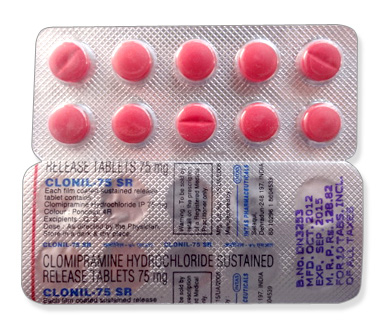
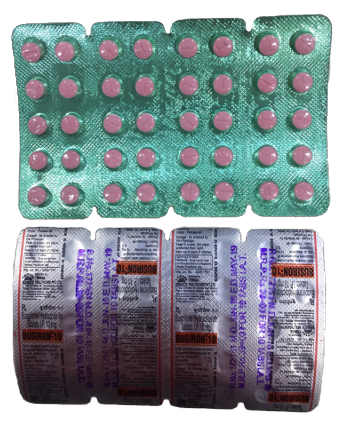
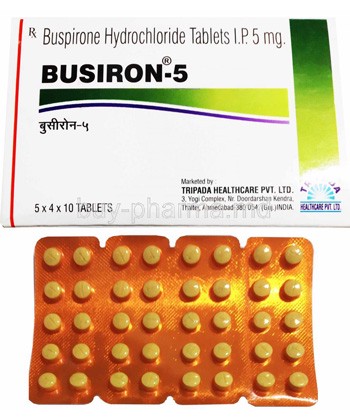
Canadian pharmacies offer various antidepressant medications to help manage mood disorders:
Effective treatment often combines medication with psychotherapy, lifestyle modifications, and support systems. Professional medical consultation with a healthcare provider or psychiatrist is essential for proper diagnosis, medication selection, and monitoring. Treatment plans should be individualized based on symptoms, medical history, and response to therapy.
Anxiety disorders represent the most common mental health conditions in Canada, affecting people of all ages and backgrounds. These disorders go beyond normal worry or stress, creating persistent and overwhelming fear that interferes with daily activities. Early recognition and appropriate treatment can significantly improve outcomes and restore normal functioning.
Anxiety disorders encompass various conditions, including generalized anxiety disorder (GAD), panic disorder, social anxiety disorder, and specific phobias. Each type presents distinct symptoms but shares common features of excessive fear and avoidance behaviours that impact personal, professional, and social functioning.
Anxiety manifests through both physical and emotional symptoms. Physical symptoms may include rapid heartbeat, sweating, trembling, shortness of breath, and muscle tension. Emotional symptoms encompass persistent worry, restlessness, irritability, and difficulty concentrating. These symptoms can be debilitating and require professional intervention.
Treatment options available in Canadian pharmacies include:
Short-term treatments focus on immediate symptom relief, while long-term strategies emphasize sustainable management through therapy and lifestyle modifications. Cognitive-behavioural therapy, regular exercise, stress management techniques, and gradual exposure therapy complement pharmaceutical interventions for comprehensive anxiety management.
ADHD is a neurodevelopmental condition affecting both children and adults across Canada. While often diagnosed in childhood, many adults receive their first ADHD diagnosis later in life as awareness of the condition increases. The disorder significantly impacts daily functioning, academic performance, work productivity, and personal relationships.
ADHD presents through three primary symptom categories: inattention (difficulty focusing, forgetfulness, disorganization), hyperactivity (restlessness, fidgeting, excessive talking), and impulsivity (interrupting others, difficulty waiting turns, hasty decisions). Symptoms vary considerably between individuals and may change over time.
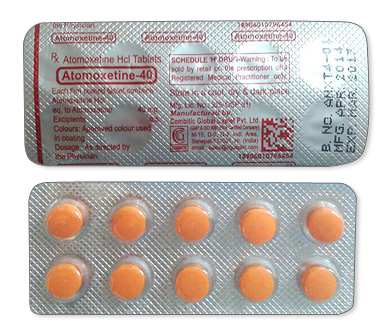
Several medication options are available through Canadian pharmacies. Stimulant medications include methylphenidate-based treatments such as Ritalin and Concerta, as well as amphetamine-based options like Adderall and Vyvanse. Non-stimulant alternatives include atomoxetine and guanfacine, which may be suitable for individuals who cannot tolerate stimulants or have certain medical conditions.
Successful ADHD management typically combines medication with behavioural strategies, educational support, and lifestyle modifications tailored to individual needs.
Sleep quality and mental health are intimately connected, with poor sleep often exacerbating mental health conditions while mental health disorders frequently disrupt sleep patterns. This bidirectional relationship makes addressing sleep issues a crucial component of comprehensive mental health care in Canada.
Insomnia, characterized by difficulty falling or staying asleep, is the most prevalent sleep disorder affecting mental health. Sleep apnea, involving repeated breathing interruptions during sleep, can contribute to depression and anxiety. Restless leg syndrome creates uncomfortable sensations that interfere with sleep quality and mental well-being.
Canadian pharmacies stock various sleep aids including zolpidem and zopiclone for short-term insomnia treatment. Melatonin supplements, available over-the-counter, help regulate natural sleep-wake cycles. These medications should be used under professional guidance to avoid dependency.
Professional help should be sought when sleep problems persist beyond two weeks, significantly impact daily functioning, or occur alongside symptoms of depression or anxiety.
Psychotic disorders are serious mental health conditions that affect a person's ability to think clearly, make good judgements, respond emotionally, communicate effectively, and understand reality. The most common psychotic disorder is schizophrenia, which affects approximately 1% of Canadians and typically develops in late teens to early thirties.
Early recognition of psychotic symptoms is crucial for effective treatment. Warning signs may include social withdrawal, declining performance at work or school, unusual or suspicious behaviour, poor hygiene, flat emotions, and confused thinking. Positive symptoms include hallucinations, delusions, and disorganized speech, while negative symptoms involve reduced emotional expression and decreased motivation.
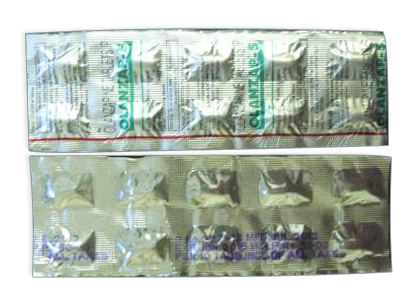
Treatment typically involves antipsychotic medications covered under provincial health plans. Typical antipsychotics include haloperidol and chlorpromazine, while atypical options such as risperidone, olanzapine, quetiapine, and aripiprazole are often preferred due to fewer side effects. Your pharmacist can provide detailed information about dosing, potential interactions, and side effect management.
Medication compliance is essential for managing symptoms and preventing relapse. Community mental health teams, family support, and peer support groups play vital roles in recovery. Many provinces offer specialized early intervention programs for first-episode psychosis, significantly improving long-term outcomes.
Accessing mental health care in Canada begins with your family physician, who can provide initial assessment, prescribe medications, and refer you to specialists when needed. Psychiatrists, psychologists, and other mental health professionals are available through both public healthcare systems and private practice across all provinces and territories.
Provincial health insurance plans cover most essential mental health medications, though coverage varies by province. Many provinces also provide additional support through:
For immediate crisis support, contact your local emergency services or call the Canada Suicide Prevention Service at 1-833-456-4566. Your pharmacist can also provide valuable medication management support, including adherence counselling, side effect monitoring, and coordination with your healthcare team. Many pharmacies offer specialized mental health services and can help connect you with additional community resources.