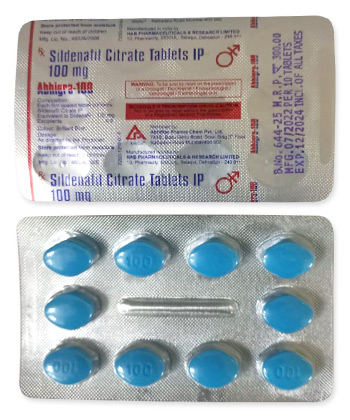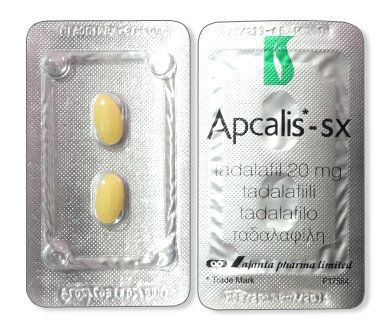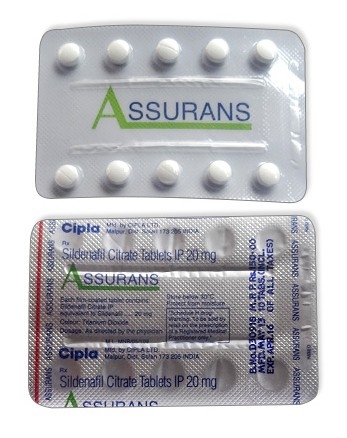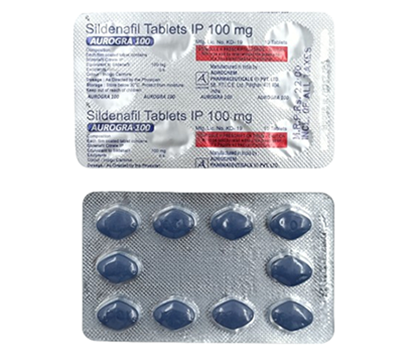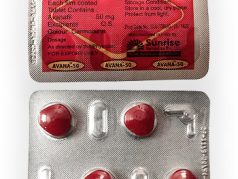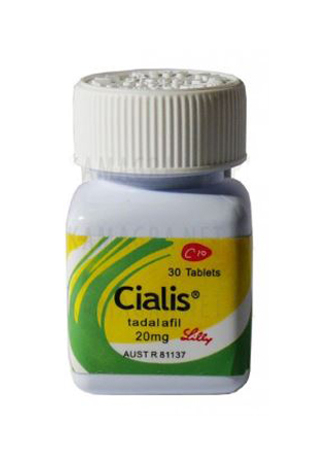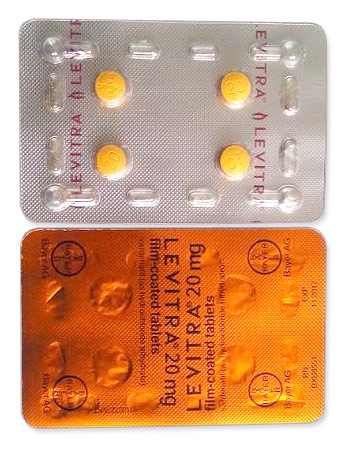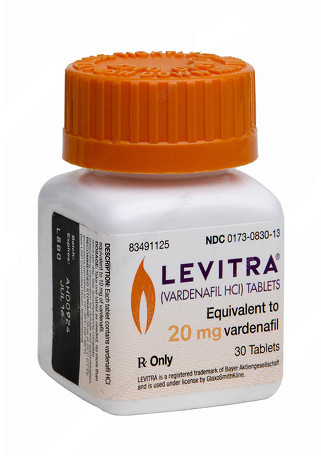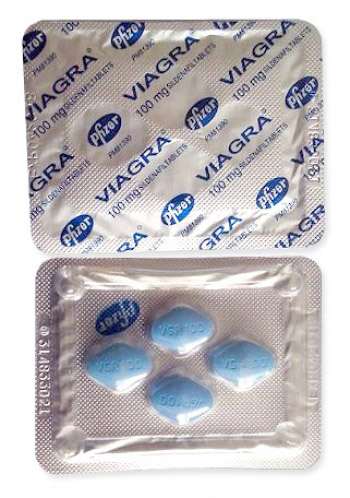
Erectile dysfunction (ED) affects approximately 49% of Canadian men over 40, with prevalence increasing with age. This common condition can result from various factors including cardiovascular disease, diabetes, stress, hormonal imbalances, and certain medications. Understanding the underlying causes is crucial for effective treatment.
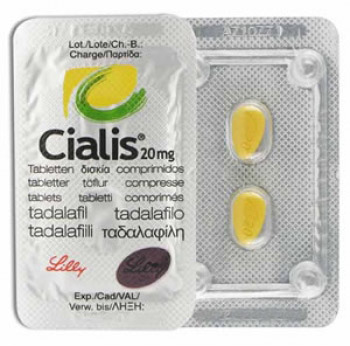
Health Canada has approved several effective oral medications for treating erectile dysfunction:
These medications work by increasing blood flow to the penis by inhibiting the enzyme PDE5. Clinical studies show effectiveness rates of 60-85% depending on the specific medication and individual factors. A consultation with a licensed healthcare provider is required before obtaining these prescription medications. Important safety considerations include potential interactions with heart medications, particularly nitrates, and existing cardiovascular conditions.
Male pattern baldness, or androgenetic alopecia, affects over 50% of Canadian men by age 50. This hereditary condition occurs due to sensitivity to dihydrotestosterone (DHT), which gradually shrinks hair follicles. Hair loss typically follows predictable patterns, progressing through stages from temple recession to crown thinning and eventual extensive balding.
Health Canada has approved several evidence-based treatments for male pattern baldness:
Topical treatments like minoxidil are applied directly to the scalp twice daily, while oral medications like finasteride are taken once daily. Combination therapy often provides optimal results. Most men notice stabilization of hair loss within 3-6 months, with visible regrowth typically occurring after 6-12 months of consistent use. Treatment requires long-term commitment, as discontinuation usually results in progressive hair loss resuming within 12 months.
Prostate health becomes increasingly important as men age, with benign prostatic hyperplasia (BPH) affecting a significant portion of Canadian men over 50. BPH symptoms can significantly impact quality of life and include difficulty starting urination, weak urine stream, frequent urination especially at night, and the feeling of incomplete bladder emptying.
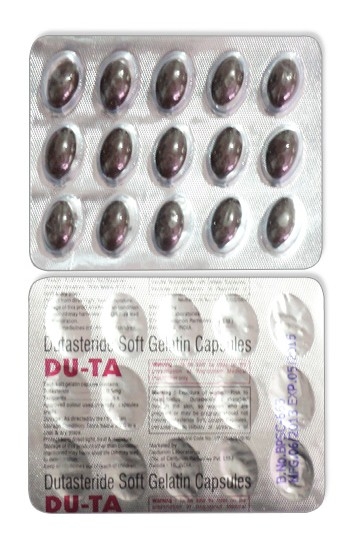
Several effective prescription medications are available in Canada to manage BPH symptoms:
Alpha-blockers work quickly to improve urine flow by relaxing muscle tissue, while 5-alpha reductase inhibitors take several months to show effects but can actually shrink the prostate over time. Your healthcare provider may recommend combination therapy for optimal results.
Regular screening through digital rectal exams and PSA testing remains crucial for early detection of prostate issues. Preventive care, including maintaining a healthy lifestyle and following recommended screening schedules, can help identify concerns before they become serious health problems.
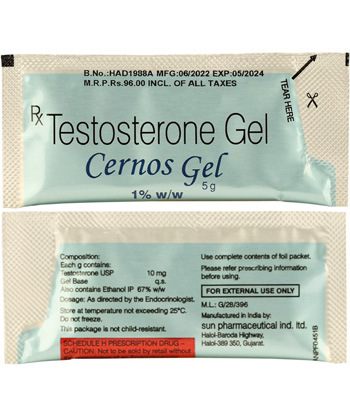
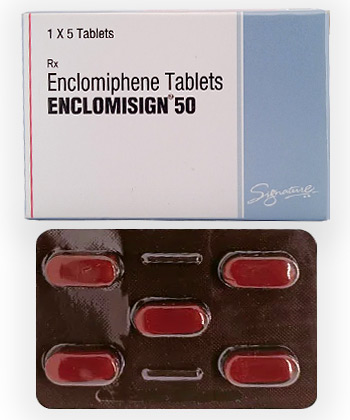
Low testosterone, or hypogonadism, affects many Canadian men, particularly those over 40. Symptoms include decreased energy, reduced muscle mass, mood changes, decreased libido, and difficulty concentrating. Proper diagnosis requires comprehensive testing, including multiple morning testosterone level measurements and evaluation of symptoms.
Health Canada has approved several testosterone replacement options to suit different patient needs and preferences:
Testosterone replacement therapy requires ongoing medical supervision with regular blood tests to monitor hormone levels, liver function, and red blood cell counts. Potential side effects include increased risk of blood clots, sleep apnea worsening, and cardiovascular concerns in certain patients.
Eligibility for testosterone therapy requires confirmed low testosterone levels through laboratory testing, along with corresponding symptoms. Men with prostate cancer, severe heart conditions, or certain other health issues may not be suitable candidates for this treatment.
Sexual health concerns, including premature ejaculation, affect many Canadian men and can significantly impact quality of life and relationships. Fortunately, various treatment options are available through Canadian pharmacies to help address these issues.
Several medication options are available in Canada for treating premature ejaculation. Dapoxetine (Priligy) is specifically designed for this condition and works by increasing serotonin levels to delay ejaculation. Topical anaesthetics can help reduce sensitivity, while certain antidepressants may be prescribed off-label for their delayed ejaculation side effects.
Beyond medication, lifestyle factors play a crucial role in sexual performance:
Counselling and therapy options, including cognitive behavioural therapy and couples counselling, can complement medical treatments. Many men benefit from a combination approach that addresses both physical and psychological aspects of sexual health.
Men's nutritional needs differ from women's, making targeted supplementation an important consideration for optimal health. Canadian men, particularly those living in northern climates, often benefit from specific vitamins and minerals to support their overall wellness.
Vitamin D supplementation is especially important for Canadian men due to limited sunlight exposure during winter months. This vitamin supports bone health, immune function, and testosterone production. Multivitamins specifically formulated for men typically contain higher levels of certain nutrients while excluding iron, which men generally require less of than women.
Key supplements for men's health include:
When selecting supplements, look for products that meet Health Canada's quality standards and Natural Product Number (NPN) regulations to ensure safety and efficacy.