Human Immunodeficiency Virus (HIV) is a virus that attacks the body's immune system, specifically targeting CD4+ T cells, which are crucial white blood cells that help fight infections. When HIV enters the body, it uses these cells to replicate itself, gradually weakening the immune system's ability to defend against infections and certain cancers. Without proper treatment, HIV can severely compromise immune function, making individuals vulnerable to opportunistic infections and diseases that a healthy immune system would normally prevent.
HIV and AIDS are related but distinct conditions. HIV is the virus itself, while AIDS (Acquired Immunodeficiency Syndrome) represents the most advanced stage of HIV infection. A person develops AIDS when their CD4+ cell count drops below 200 cells per cubic millimetre of blood, or when they develop certain opportunistic infections or cancers. With modern antiretroviral therapy available in Canada, many people with HIV never progress to AIDS and can live long, healthy lives while maintaining an undetectable viral load.
HIV is transmitted through specific bodily fluids including blood, semen, vaginal fluids, rectal fluids, and breast milk. The virus cannot be transmitted through casual contact, saliva, tears, or sweat. Prevention methods include:
Early detection of HIV is crucial for effective treatment and prevention of transmission to others. When diagnosed and treated early, HIV medications can reduce the viral load to undetectable levels, allowing individuals to maintain their health and prevent sexual transmission to partners. Early treatment also prevents the progression to AIDS and reduces the risk of developing HIV-related complications. Regular testing is particularly important for individuals at higher risk and enables prompt initiation of life-saving antiretroviral therapy.
According to the Public Health Agency of Canada, approximately 62,050 people were living with HIV in Canada as of 2018, with an estimated 2,561 new infections occurring that year. The epidemic disproportionately affects certain populations, including men who have sex with men, Indigenous peoples, and people who use injection drugs. The provinces with the highest rates of HIV include Saskatchewan, Manitoba, and Quebec. These statistics highlight the ongoing importance of prevention, testing, and treatment programs across Canadian communities.
Several types of HIV tests are available through healthcare providers, public health units, and community organizations across Canada. Antibody tests detect HIV antibodies in blood or oral fluid and are the most common screening method. Antigen/antibody combination tests can detect both HIV antibodies and the p24 antigen, allowing for earlier detection. Nucleic acid tests (NAT) directly detect the virus and are used in specific situations such as potential recent exposure or to confirm positive screening results. Point-of-care rapid tests provide results within 20 minutes and are available at many clinics and testing sites.
Healthcare professionals recommend HIV testing for all sexually active individuals as part of routine healthcare. Specific situations that warrant testing include having unprotected sex with new or multiple partners, sharing injection drug equipment, receiving a diagnosis of another sexually transmitted infection, or experiencing potential occupational exposure. Pregnant individuals are routinely offered HIV testing to prevent mother-to-child transmission. The frequency of testing depends on individual risk factors, with higher-risk individuals advised to test every three to six months.
HIV test results are reported as either reactive (positive), non-reactive (negative), or indeterminate. A reactive result indicates the presence of HIV antibodies or antigen and requires confirmatory testing. A non-reactive result suggests no current HIV infection, though recent infections may not be detected due to the window period. Indeterminate results require repeat testing. It's important to understand that false positives and false negatives can occur, which is why confirmatory testing and professional counselling are essential components of the testing process.
HIV testing in Canada is conducted with strict confidentiality protections under provincial and territorial privacy legislation. Nominal testing (with personal identification) is standard and allows for proper follow-up care and partner notification when necessary. Anonymous testing options are available in some jurisdictions for individuals who prefer not to provide identifying information. All testing sites must maintain confidentiality, and test results can only be shared with explicit consent or as required by public health reporting requirements for surveillance purposes.
Following a positive HIV diagnosis, individuals are connected with specialized healthcare providers experienced in HIV care. Initial assessments include baseline laboratory tests to determine viral load, CD4+ cell count, and screening for other infections. Counselling services address emotional support, disclosure decisions, and prevention strategies. Treatment with antiretroviral medications typically begins as soon as possible after diagnosis, regardless of viral load or CD4+ count. Regular monitoring appointments track treatment effectiveness, manage side effects, and provide ongoing support for maintaining optimal health and preventing transmission to others.
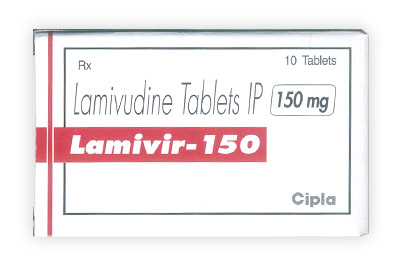
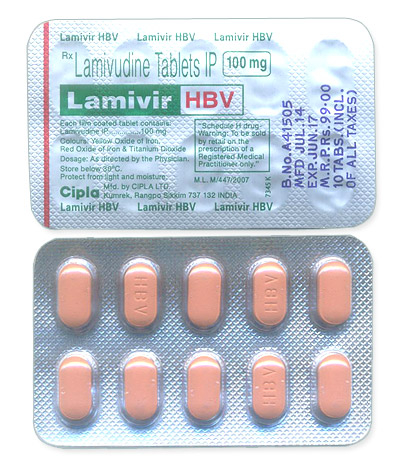
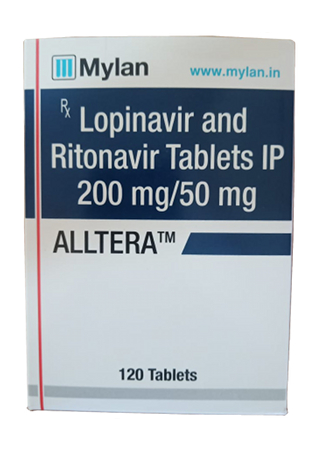
Canada offers comprehensive access to antiretroviral therapy (ART), the standard treatment for HIV that helps people living with HIV maintain undetectable viral loads and live healthy lives. Modern ART combines multiple medications from different drug classes to effectively suppress the virus and prevent resistance development.
Healthcare providers in Canada prescribe medications from several antiretroviral classes:
Popular combination medications like Truvada, Descovy, and Biktarvy simplify treatment regimens by combining multiple active ingredients into single daily tablets. Both brand-name and generic options are available through Canadian pharmacies, with provincial health plans typically covering approved HIV medications to ensure accessibility for all patients requiring treatment.
Pre-exposure prophylaxis (PrEP) is a highly effective HIV prevention strategy for individuals at higher risk of HIV exposure. Health Canada has approved PrEP medications for people who may be exposed to HIV through sexual contact or injection drug use, including men who have sex with men, people with HIV-positive partners, and individuals engaging in higher-risk activities.
Canadian pharmacies provide access to approved PrEP medications, primarily tenofovir-based combinations, which reduce HIV transmission risk by over 90% when taken consistently. Post-exposure prophylaxis (PEP) serves as emergency treatment following potential HIV exposure, requiring initiation within 72 hours for maximum effectiveness.
Both PrEP and PEP require regular medical monitoring for kidney function and other potential side effects. Coverage varies by province, with some jurisdictions providing full coverage while others may require private insurance or out-of-pocket payment. Patients should consult healthcare providers about eligibility, proper usage, and monitoring requirements to ensure safe and effective HIV prevention.
Successful HIV management requires consistent medication adherence to maintain undetectable viral loads and prevent drug resistance. Taking antiretroviral therapy (ART) as prescribed is crucial for treatment effectiveness and reducing transmission risk.
Modern HIV medications are generally well-tolerated, but some patients may experience side effects such as nausea, fatigue, or changes in body fat distribution. Most side effects are manageable through dosage adjustments, switching medications, or supportive care measures.
Regular blood tests monitor viral load, CD4 count, and organ function. Certain medications, supplements, and recreational drugs can interact with HIV treatments. Always inform healthcare providers about all substances you're taking, including over-the-counter medications and natural health products.
Canada offers comprehensive support systems for people living with HIV, ensuring access to treatment and maintaining quality of life through various programs and protections.
The Canadian Human Rights Act protects against HIV-related discrimination in employment and housing. National and provincial AIDS service organizations provide peer support, counselling, and educational resources. Mental health services specifically trained in HIV care are available across Canada.
With proper treatment, people living with HIV can expect normal lifespans and excellent health outcomes. Early diagnosis and consistent care enable individuals to maintain undetectable viral loads, preventing transmission and preserving immune function.