Hair loss affects millions of Canadians and can result from various underlying factors. Understanding the specific type and cause of your hair loss is essential for choosing the most effective treatment approach available through Canadian pharmacies.
The most common form of hair loss in men, androgenetic alopecia affects up to 80% of Canadian men by age 80. This hereditary condition is caused by sensitivity to dihydrotestosterone (DHT), which gradually miniaturizes hair follicles, leading to progressive thinning and eventual hair loss in a characteristic pattern starting at the hairline and crown.
Women experience androgenetic alopecia differently, typically showing diffuse thinning across the crown while maintaining their hairline. Hormonal fluctuations during menopause, pregnancy, or due to conditions like polycystic ovary syndrome can accelerate this process in Canadian women.
Alopecia areata, an autoimmune condition, causes patchy hair loss and affects approximately 2% of Canadians. Telogen effluvium results from physical or emotional stress, causing temporary but noticeable hair shedding 2-3 months after the triggering event.
Additional factors contributing to hair loss include:
Consulting with healthcare professionals available through Canadian pharmacy networks can help identify the specific cause of your hair loss and determine the most appropriate treatment strategy for your individual situation.
Prescription medications remain the gold standard for treating androgenetic alopecia in Canada. These scientifically proven treatments require proper medical supervision and are available through licensed Canadian pharmacies with valid prescriptions from healthcare providers.
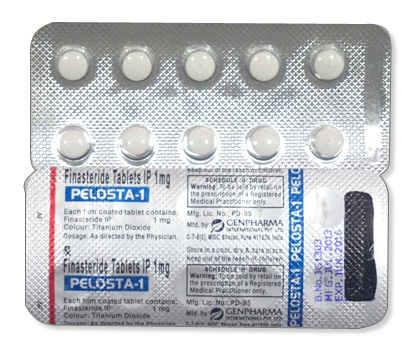
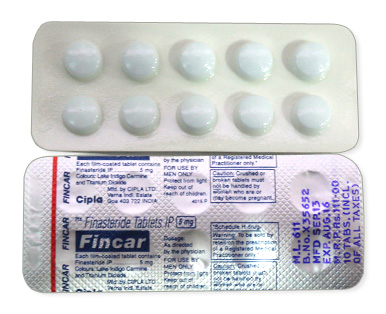
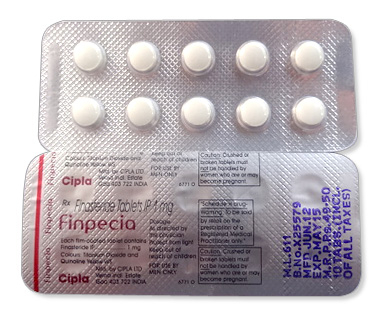
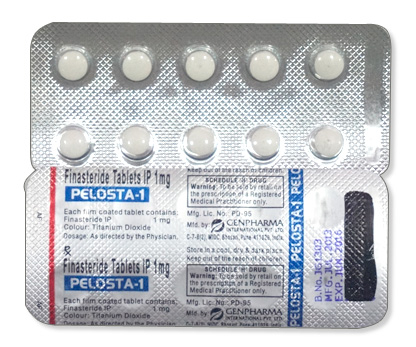
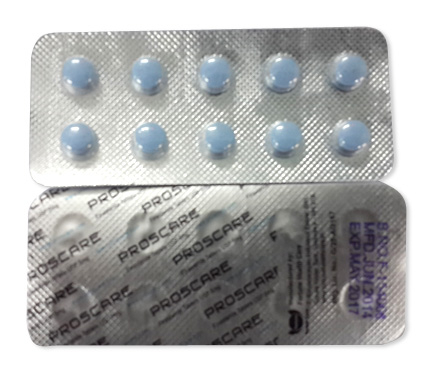
Health Canada-approved finasteride is the primary oral treatment for male pattern baldness. This 5-alpha reductase inhibitor blocks DHT production, slowing hair loss progression and promoting regrowth in many men. Daily 1mg doses typically show results within 3-6 months, with peak benefits occurring after two years of consistent use.
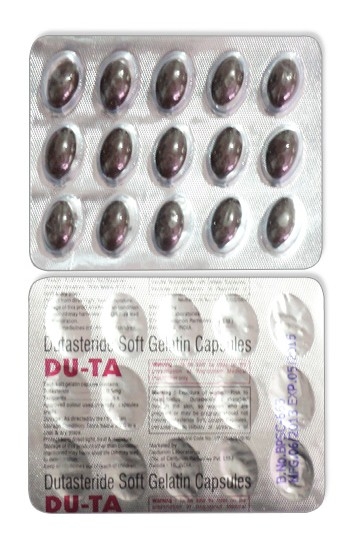
Dutasteride offers a more comprehensive approach by inhibiting both Type I and Type II 5-alpha reductase enzymes. While primarily indicated for prostate conditions in Canada, some healthcare providers prescribe it off-label for severe cases of male pattern baldness when finasteride proves insufficient.
Prescription-strength minoxidil solutions and foams exceed over-the-counter concentrations, providing enhanced efficacy for both men and women. Canadian pharmacies can compound custom formulations combining minoxidil with additional active ingredients like tretinoin or azelaic acid.
Prescription hair loss medications require careful monitoring by Canadian healthcare professionals. Key aspects include:
Canadian pharmacists play a crucial role in medication counselling, ensuring proper usage, and monitoring for potential interactions with other medications you may be taking.
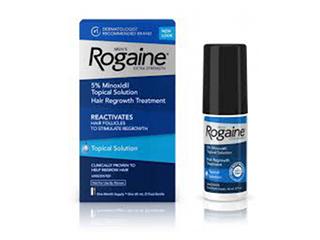
Minoxidil is the most widely researched and Health Canada-approved over-the-counter treatment for hair loss in both men and women. Available in 2% and 5% concentrations, minoxidil works by increasing blood flow to hair follicles and extending the growth phase of hair. The 2% solution is typically recommended for women, while the 5% formulation is commonly used by men, though healthcare providers may recommend different concentrations based on individual needs and tolerance.
Modern minoxidil foam formulations offer several advantages over traditional liquid solutions, including faster drying times, reduced scalp irritation, and easier application. The foam format is particularly beneficial for those with sensitive scalps or busy lifestyles. Proper application involves applying the recommended amount to a completely dry scalp twice daily, ensuring even distribution across affected areas. Consistent daily use is essential for maintaining results, as discontinuation typically leads to gradual return of hair loss within 3-6 months.
Ketoconazole-containing shampoos serve a dual purpose in hair loss treatment by addressing scalp health while potentially supporting hair growth. Available over-the-counter in 1% concentrations across Canada, these medicated shampoos help reduce scalp inflammation, control dandruff, and may have mild anti-androgenic properties that can complement other hair loss treatments. Regular use 2-3 times per week can help maintain optimal scalp conditions for hair growth.
Caffeine-infused hair care products have gained popularity as a gentler approach to stimulating hair growth. These treatments work by potentially blocking DHT at the follicular level and improving circulation to the scalp. While research is still emerging, many Canadians find caffeine-based shampoos, conditioners, and leave-in treatments to be a valuable addition to their hair care routine, particularly when combined with other proven treatments.
Low-level laser therapy (LLLT) devices, including FDA-cleared laser combs and caps, are available to Canadian consumers seeking non-pharmaceutical hair loss solutions. These devices use specific wavelengths of light to potentially stimulate cellular activity in hair follicles. Treatment typically requires 20-30 minute sessions several times per week, and results may become noticeable after 3-6 months of consistent use.
Success with over-the-counter hair loss treatments requires realistic expectations and consistent application. Most treatments show initial results within 3-4 months, with continued improvement possible for up to one year. Key factors for effectiveness include:
Biotin, also known as vitamin B7, is essential for keratin production and overall hair health. While true biotin deficiency is rare in Canada due to adequate nutrition, supplementation may benefit individuals with subclinical deficiencies or increased nutritional needs. B-vitamin complexes containing biotin, B6, B12, and folate support the metabolic processes necessary for healthy hair growth. Natural Product Numbers (NPNs) on Canadian supplements ensure quality and safety standards are met.
Iron deficiency is a common cause of hair loss, particularly among Canadian women of childbearing age. Low iron stores can significantly impact hair growth even before clinical anaemia develops. Iron supplementation should be guided by blood testing to confirm deficiency and monitor levels during treatment. Ferrous sulfate, ferrous fumarate, and more easily tolerated forms like iron bisglycinate are available in Canadian pharmacies.
Saw palmetto extract is a popular natural supplement that may help block the conversion of testosterone to dihydrotestosterone (DHT), the hormone primarily responsible for androgenetic alopecia. Available in various forms including capsules, liquid extracts, and topical preparations, saw palmetto offers a natural approach to addressing hormonal hair loss. Other natural DHT blockers include pumpkin seed oil and green tea extract, though scientific evidence varies for these alternatives.
Adequate protein intake is fundamental for healthy hair growth, as hair strands are primarily composed of the protein keratin. Collagen peptides have gained attention for their potential benefits to hair strength and growth, providing amino acids that serve as building blocks for hair structure. Canadian consumers can choose from marine collagen, bovine collagen, or plant-based protein alternatives to support their hair health goals.
Omega-3 fatty acids from fish oil or algae sources contribute to scalp health and may help reduce inflammation that can impede hair growth. These essential fats also support the production of healthy sebum, maintaining optimal scalp conditions. Additional nutrients that support hair health include zinc, vitamin D, and selenium, all of which play roles in hair follicle function and the hair growth cycle.
When selecting hair growth supplements in Canada, prioritise products with Natural Product Numbers and evidence-based formulations. Effective supplementation typically includes combinations of nutrients rather than single ingredients, as hair health depends on multiple nutritional factors working together. Consultation with a healthcare provider or registered dietitian can help identify specific deficiencies and create a targeted supplementation plan that addresses individual needs while avoiding potential interactions with medications or excessive intake of fat-soluble vitamins.
Selecting the most effective hair loss treatment requires careful consideration of your specific type of hair loss, severity, and individual health factors. Androgenetic alopecia responds well to minoxidil and finasteride, while alopecia areata may require corticosteroid treatments or immunotherapy approaches.
Many Canadians find success combining oral and topical medications under professional guidance. Common safe combinations include:
Hair regrowth requires patience, with most treatments showing initial results after 3-6 months of consistent use. Full benefits typically appear after 12-18 months. Regular progress photos and consultation with healthcare professionals help track improvement and adjust treatment protocols when necessary.
Healthcare consultation becomes essential when experiencing rapid hair loss, scalp irritation, or treatment side effects. In Canada, many extended health plans provide partial coverage for prescription hair loss medications when deemed medically necessary. Generic versions of popular treatments often offer more affordable options while maintaining effectiveness.
Protecting existing hair through gentle care practices forms the foundation of any comprehensive hair loss prevention strategy. Choose sulphate-free shampoos, avoid excessive heat styling, and use wide-tooth combs on wet hair to minimize breakage and follicle damage.
Chronic stress significantly impacts hair growth cycles, making stress management crucial for maintaining healthy hair. Prioritize 7-9 hours of quality sleep nightly, practice relaxation techniques, and consider stress-reduction activities like yoga or meditation to support optimal hair health.
A balanced diet rich in protein, iron, zinc, and B vitamins supports healthy hair growth. Consider these hair-supporting nutrients:
Recognizing early signs of hair thinning allows for more effective treatment outcomes. Monitor changes in hair texture, density, and shedding patterns. Early intervention with appropriate treatments can significantly slow progression and preserve existing hair.
Maintaining realistic expectations proves essential for long-term success. Hair loss treatment requires consistent commitment, and results vary between individuals. Focus on slowing progression and maintaining existing hair rather than expecting dramatic regrowth, especially in advanced cases.