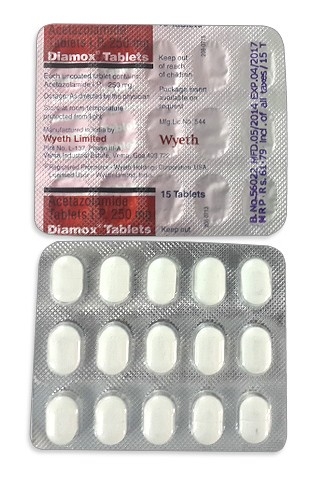
Diuretics, commonly known as "water pills," are medications that help your body eliminate excess fluid and sodium through increased urine production. These medications work by targeting specific areas of the kidneys, altering the normal process of sodium and water reabsorption. When the kidneys retain less sodium, they simultaneously retain less water, leading to increased urine output and reduced fluid volume in your body.
The mechanism of action involves interfering with sodium reabsorption at different sites along the nephron, the kidney's functional unit. As sodium excretion increases, water follows, helping to reduce blood volume and pressure. This process also affects electrolyte balance, particularly potassium, magnesium, and calcium levels, which is why regular monitoring is essential during treatment.
Diuretics target various locations within the kidney structure:
Healthcare providers in Canada prescribe diuretics for multiple conditions, including high blood pressure (hypertension), heart failure, kidney disorders, and fluid retention (edema). They're often first-line treatments for hypertension and are frequently combined with other cardiovascular medications. The choice of diuretic depends on your specific condition, kidney function, electrolyte levels, and other health factors. Regular follow-up appointments and blood tests help ensure the medication is working effectively while maintaining proper electrolyte balance.
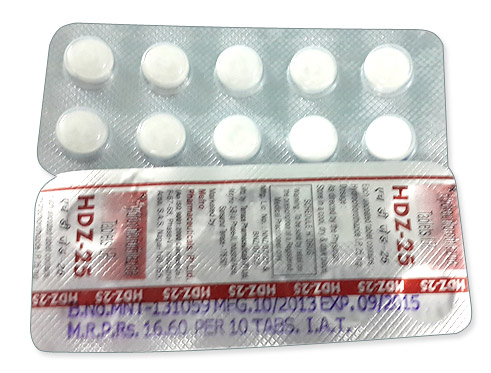
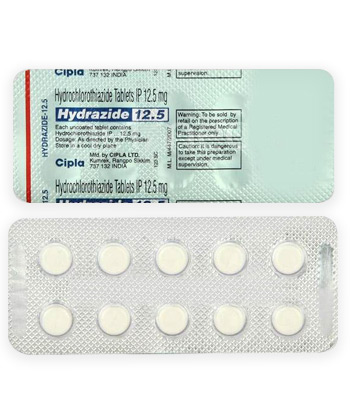
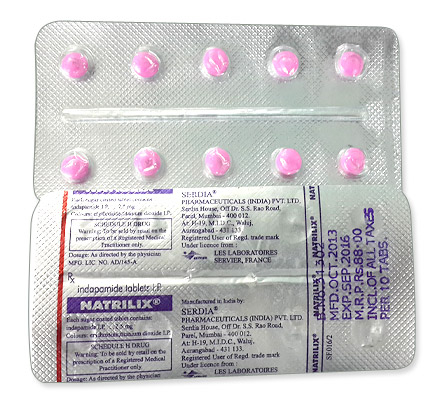
Thiazide and thiazide-like diuretics are the most commonly prescribed diuretics in Canadian pharmacies for treating high blood pressure. Hydrochlorothiazide (HCTZ) is widely available and often combined with other blood pressure medications. Indapamide offers longer-lasting effects and may be preferred for patients with diabetes. Chlorthalidone, while less frequently prescribed, provides extended duration of action, making it suitable for patients requiring once-daily dosing.
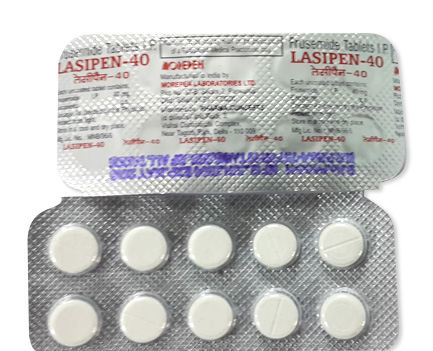
Loop diuretics are powerful medications typically reserved for patients with heart failure or severe fluid retention. Furosemide (brand name Lasix) is the most commonly prescribed loop diuretic in Canada, available in both oral and injectable forms. Bumetanide is an alternative that may be used when patients don't respond adequately to furosemide or experience significant side effects.
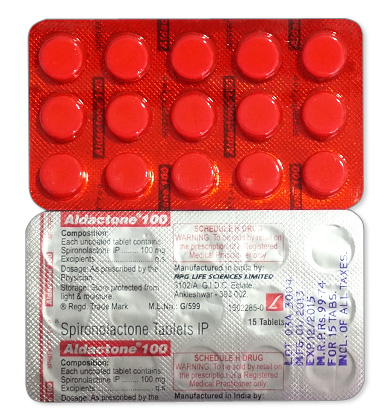
These medications help preserve potassium levels while promoting fluid elimination. Spironolactone is frequently prescribed for heart failure and certain hormonal conditions, while amiloride is often used in combination with other diuretics to prevent potassium loss.
Canadian pharmacies stock various combination products that include:
These combinations improve medication adherence and provide enhanced blood pressure control while minimizing electrolyte imbalances.
Diuretics are versatile medications prescribed by healthcare providers across Canada to treat various medical conditions involving fluid retention and cardiovascular health. These medications work by helping your kidneys remove excess sodium and water from your body through increased urination.
Diuretics are often the first-line treatment for hypertension, as they reduce blood volume and decrease the pressure on artery walls. This makes them particularly effective for managing mild to moderate high blood pressure in Canadian patients.
For individuals with heart failure, diuretics help reduce the workload on the heart by eliminating excess fluid that can accumulate in the lungs, legs, and abdomen. This improves breathing and reduces swelling throughout the body.
When kidneys aren't functioning properly, diuretics assist in managing fluid balance and reducing protein loss. They're particularly beneficial for patients with chronic kidney disease who experience significant fluid retention.
Diuretics also effectively treat liver cirrhosis with ascites, where fluid accumulates in the abdominal cavity. In emergency situations, they're crucial for treating pulmonary edema, where fluid builds up in the lungs. Certain hormonal conditions that cause fluid retention also respond well to diuretic therapy, helping restore normal fluid balance in the body.
Taking diuretics safely requires careful attention to timing, dosage, and monitoring. Following your healthcare provider's instructions ensures optimal effectiveness while minimizing potential side effects.
Always take diuretics exactly as prescribed by your healthcare provider. Take them with food if stomach upset occurs, and maintain consistent timing to help your body adjust to the medication schedule. Stay well-hydrated unless your doctor advises otherwise.
The best time to take diuretics is typically in the morning, allowing the increased urination to occur during daytime hours rather than disrupting your sleep. If taking multiple doses daily, space them evenly and avoid taking the last dose too close to bedtime.
Never adjust your dosage without consulting your healthcare provider. If you miss a dose, take it as soon as you remember, unless it's almost time for your next dose. In that case, skip the missed dose and continue with your regular schedule—never double up on doses.
Diuretic treatment duration varies depending on your condition. Some patients may need short-term treatment, while others require long-term therapy. Regular monitoring is essential and includes:
Attend all scheduled follow-up appointments to ensure your treatment remains safe and effective.
Most people taking diuretics experience mild side effects as their body adjusts to the medication. Common side effects include increased urination (especially during the first few weeks), dizziness or lightheadedness when standing up quickly, mild dehydration, headaches, and fatigue. You may also experience electrolyte imbalances that can cause muscle cramps, weakness, or changes in heart rhythm. These effects are typically temporary and often improve as your body adapts to the treatment.
Seek immediate medical attention if you experience severe dehydration, extreme dizziness or fainting, irregular heartbeat, severe muscle weakness or cramping, confusion, or signs of kidney problems such as decreased urination or swelling in your legs or feet. Thiazide diuretics may rarely cause severe skin reactions, while potassium-sparing diuretics can lead to dangerous potassium levels. Contact your healthcare provider immediately if you develop severe nausea, chest pain, or difficulty breathing.
Diuretics can interact with numerous medications commonly used by Canadians. Important interactions include:
Potassium-sparing diuretics should be avoided by patients with kidney disease, hyperkalemia, or those taking ACE inhibitors without careful monitoring. Thiazide diuretics may not be suitable for people with severe kidney or liver disease, gout, or diabetes. Loop diuretics require caution in patients with hearing problems or severe electrolyte imbalances. Always inform your pharmacist and healthcare provider about all existing health conditions before starting diuretic therapy.
Diuretics are generally not recommended during pregnancy unless specifically prescribed for certain conditions like severe heart failure. They can affect fetal growth and amniotic fluid levels. Most diuretics pass into breast milk and may reduce milk production or affect the nursing infant's electrolyte balance. If you're pregnant, planning to become pregnant, or breastfeeding, discuss alternative treatment options with your healthcare provider to ensure the safety of both mother and baby.
Elderly patients require special monitoring when taking diuretics as they're more susceptible to dehydration, electrolyte imbalances, and falls due to dizziness. Age-related kidney function decline means older adults may need dose adjustments and more frequent blood tests. Healthcare providers typically start with lower doses and monitor closely for signs of confusion, weakness, or changes in kidney function that are more common in seniors.
Maintaining a balanced diet is crucial while taking diuretics. If you're on thiazide or loop diuretics, your healthcare provider may recommend increasing potassium-rich foods like bananas, oranges, and leafy greens, or prescribe potassium supplements. However, if you're taking potassium-sparing diuretics, you may need to limit high-potassium foods. Reduce sodium intake to enhance the medication's effectiveness, stay well-hydrated unless otherwise directed, and limit alcohol consumption as it can increase the risk of dehydration and dizziness.
Regular blood pressure monitoring helps ensure your diuretic is working effectively and that your blood pressure isn't dropping too low. Many Canadian pharmacies offer blood pressure monitoring services, and home monitors are widely available. Keep a log of your readings to share with your healthcare provider during appointments. Monitor your blood pressure at consistent times of day, and be aware that readings may vary based on factors like stress, caffeine intake, and time since taking your medication.
Your healthcare provider will regularly order blood tests to monitor your kidney function, electrolyte levels (particularly sodium, potassium, and magnesium), and overall health while taking diuretics. These tests typically include a complete blood count, comprehensive metabolic panel, and kidney function tests. The frequency of testing depends on the type of diuretic, your age, and other health conditions, but initial monitoring is usually more frequent until your levels stabilize.
Contact your healthcare provider immediately if you experience signs of severe dehydration, extreme fatigue, irregular heartbeat, persistent muscle cramps, confusion, or any signs of allergic reaction. Also reach out if your blood pressure readings are consistently too high or too low, if you develop new symptoms, or if you're concerned about potential drug interactions with new medications or supplements. Don't hesitate to contact your pharmacist with questions about timing, side effects, or proper medication storage.
Take your diuretic at the same time each day, preferably in the morning to avoid nighttime urination. Keep a medication schedule and consider using a pill organizer to ensure consistency. Plan bathroom access when starting treatment or adjusting doses. Weigh yourself regularly and report significant weight changes to your healthcare provider. Stay hydrated but follow your doctor's fluid intake recommendations, and always carry identification indicating you take diuretics in case of medical emergencies.