Type 1 diabetes is an autoimmune condition where the pancreas produces little to no insulin. Individuals with Type 1 diabetes require daily insulin injections or an insulin pump to manage their blood glucose levels. Daily management includes careful monitoring of carbohydrate intake, regular blood sugar testing, and adjusting insulin doses based on activity levels and meals.
Type 2 diabetes develops when the body becomes resistant to insulin or doesn't produce enough insulin. This condition often progresses gradually and is strongly influenced by lifestyle factors including diet, physical activity, and weight management. Many Canadians can effectively manage Type 2 diabetes through lifestyle modifications combined with appropriate medication.
Gestational diabetes occurs during pregnancy and typically resolves after delivery, though it increases the risk of developing Type 2 diabetes later. Pre-diabetes involves blood sugar levels higher than normal but not yet diabetic. Early intervention through dietary changes and increased physical activity can prevent progression to Type 2 diabetes.
Regular blood glucose monitoring is essential for effective diabetes management. Most healthcare providers in Canada recommend testing frequency based on individual treatment plans, typically ranging from once daily to four times daily, depending on medication regimen and diabetes type.
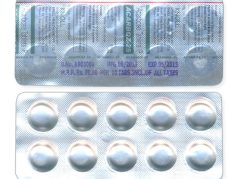
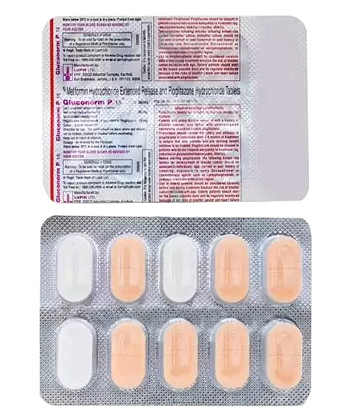
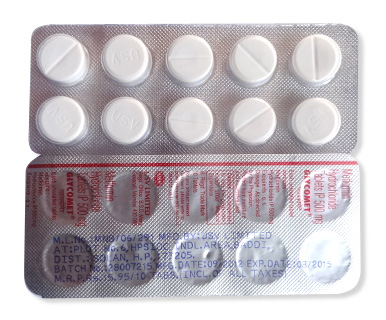
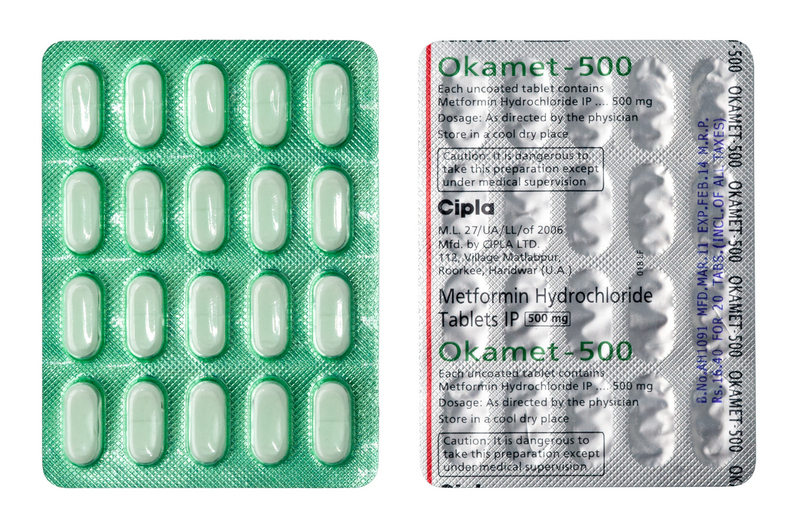
Metformin (Glucophage) remains the first-line treatment for Type 2 diabetes in Canada, working by reducing glucose production in the liver and improving insulin sensitivity. For insulin therapy, Canadians have access to various formulations including rapid-acting insulins like Humalog and NovoRapid, long-acting options such as Lantus and Levemir, and intermediate-acting NPH insulin for comprehensive glucose control.
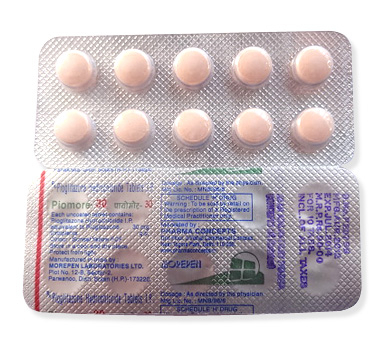
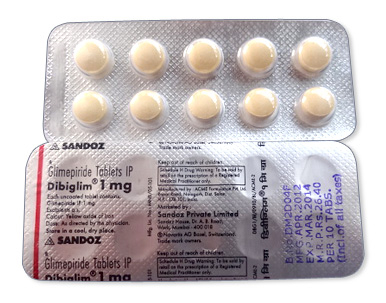
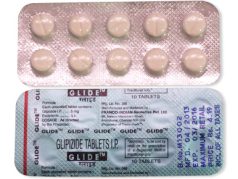
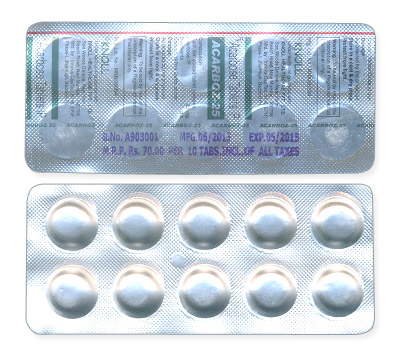
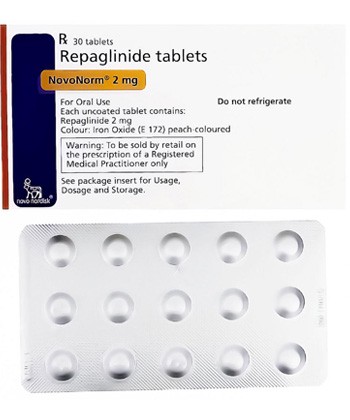
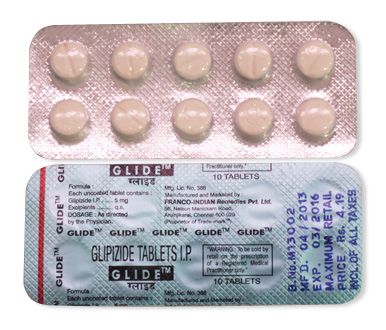
Modern diabetes management in Canada includes several medication classes:
When single medications don't achieve target blood glucose levels, Canadian healthcare providers often prescribe combination medications such as Janumet (sitagliptin/metformin) or Invokamet (canagliflozin/metformin). These combinations simplify dosing while targeting multiple pathways involved in glucose regulation, improving patient compliance and overall diabetes management outcomes.
Modern glucometers offer accurate blood glucose readings with small sample sizes and quick results. When selecting a glucose meter, it's essential to consider test strip compatibility and ongoing costs. Many popular brands available in Canada include FreeStyle, OneTouch, Accu-Chek, and Contour. Each meter is designed to work with specific test strips, so ensuring you can consistently access compatible strips through your pharmacy is crucial for ongoing diabetes management.
Continuous glucose monitors (CGMs) provide real-time glucose readings throughout the day and night, offering valuable insights into glucose trends and patterns. Modern CGM systems like FreeStyle Libre and Dexcom integrate seamlessly with smartphone apps, allowing users to track their glucose levels, set alarms for high or low readings, and share data with healthcare providers. These devices are particularly beneficial for individuals requiring intensive glucose monitoring and those seeking to optimize their diabetes management.
Comfortable blood glucose testing relies on quality lancets and adjustable lancing devices. Modern lancing devices offer multiple depth settings to accommodate different skin types and minimize discomfort. Ultra-fine lancets reduce pain while providing adequate blood samples for accurate testing. Many devices feature alternate site testing capabilities, allowing users to test on areas other than fingertips when appropriate.
Ketone testing is essential for individuals with Type 1 diabetes and those with Type 2 diabetes during illness or periods of high blood glucose. Urine ketone strips provide a quick and affordable method to check for ketones, while blood ketone meters offer more precise readings. Regular ketone testing helps prevent diabetic ketoacidosis (DKA), a serious complication that requires immediate medical attention.
Blood glucose testing frequency varies based on diabetes type, treatment plan, and individual circumstances. General recommendations include:
Most provincial health plans in Canada provide coverage for blood glucose testing supplies when prescribed by a physician. Coverage typically includes glucometers, test strips, lancets, and in some cases, continuous glucose monitors. Private insurance plans may offer additional coverage for premium devices and supplies. A valid prescription is required for reimbursement, and coverage limits may apply to the number of test strips per month based on your diabetes management plan.
Insulin syringes remain a reliable and cost-effective method for insulin delivery. Available in 30-unit, 50-unit, and 100-unit capacities, these syringes feature ultra-fine needles ranging from 28 to 31 gauge. Shorter needle lengths (4-6mm) are suitable for most adults and children, reducing the risk of intramuscular injection while ensuring effective insulin absorption. Single-use syringes help maintain sterility and injection accuracy.
Insulin pens offer convenience, accuracy, and discretion for insulin delivery. Available as disposable pre-filled pens or reusable pens with replaceable cartridges, these devices provide precise dosing in half-unit or unit increments. Popular pen systems in Canada include Humalog, NovoRapid, Lantus, and Levemir pens. Pen needles are available in various lengths and gauges to accommodate individual preferences and injection site requirements.
Insulin pumps provide continuous subcutaneous insulin infusion for improved glucose control and lifestyle flexibility. Essential pump supplies include infusion sets, reservoirs, insertion devices, and adhesive patches. Infusion sets require regular changes every 2-3 days to prevent site irritation and maintain insulin absorption. Various infusion set styles accommodate different body types, activity levels, and personal preferences for tubing length and insertion angle.
Proper insulin storage ensures medication effectiveness and safety. Unopened insulin vials and pens should be refrigerated at 2-8°C until the expiration date. Once opened, most insulins can be stored at room temperature for 28 days, though specific storage times vary by product. Insulin should never be frozen, exposed to direct heat or sunlight, or stored in extremely hot or cold environments such as car glove compartments.
Safe disposal of used needles, lancets, and syringes protects both users and the community from needle-stick injuries and contamination. Approved sharps containers should be used for all diabetes-related sharps disposal. When containers are full, they can be disposed of through pharmacy take-back programs, municipal waste facilities, or specialized medical waste services. Never dispose of sharps in regular household waste or recycling bins.
Travelling with diabetes supplies requires advance planning and preparation. Essential travel tips include carrying supplies in carry-on luggage, bringing extra supplies in case of delays, obtaining prescription letters for customs and security, and researching time zone adjustments for insulin timing. Cooling cases help maintain insulin temperature during travel, while prescription documentation ensures smooth passage through security checkpoints and international borders.
Managing diabetes effectively requires a comprehensive approach that extends beyond medication. Our pharmacy offers a wide range of specialized support products designed to enhance your daily diabetes care routine and overall well-being.
Diabetic-friendly nutritional supplements help bridge nutritional gaps while supporting stable blood sugar levels. These specially formulated products are designed to work alongside your meal planning without causing unwanted glucose spikes. For emergency situations, glucose tablets and gels provide rapid treatment for hypoglycaemia episodes, offering fast-acting relief when blood sugar drops too low.
Proper foot care is essential for diabetic health, and our specialized diabetic foot care products protect sensitive skin and prevent complications. Compression socks improve circulation, particularly important for those with diabetes-related circulation concerns. Blood pressure monitors enable comprehensive health tracking, as managing blood pressure is crucial for diabetic patients.
Our qualified pharmacists provide specialized diabetes care services to help you achieve optimal health outcomes. These professional services complement your physician's care and ensure you receive comprehensive support throughout your diabetes management journey.
Our pharmacists conduct thorough medication reviews to ensure all your diabetes medications work effectively together. We provide detailed diabetes education, helping you understand how different medications affect your blood sugar levels and overall health. Insulin injection training sessions focus on proper technique improvement, ensuring you administer insulin safely and effectively.
We offer blood glucose meter setup and calibration assistance, ensuring your monitoring equipment provides accurate readings. Our medication synchronization programs coordinate multiple prescriptions, making it easier to manage your diabetes medications alongside other treatments.
These services ensure you receive ongoing professional support, helping you maintain optimal blood sugar control while preventing diabetes-related complications through proactive care management.