Cholesterol is a waxy, fat-like substance naturally produced by your liver and found in certain foods. Understanding the different types is crucial for managing your cardiovascular health. There are three main components to monitor:
High cholesterol typically shows no symptoms, making regular testing essential. Risk factors include family history, age, diet, physical inactivity, smoking, and certain medical conditions like diabetes.
Proper cholesterol management is fundamental to preventing serious cardiovascular complications. When LDL cholesterol levels remain elevated, plaque can accumulate in your arteries, leading to atherosclerosis. This condition significantly increases your risk of heart attack and stroke, two leading causes of death in Canada. By maintaining healthy cholesterol levels through lifestyle changes and medication when necessary, you're investing in long-term cardiovascular wellness and reducing your chances of experiencing life-threatening cardiac events.
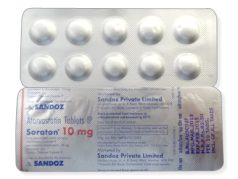
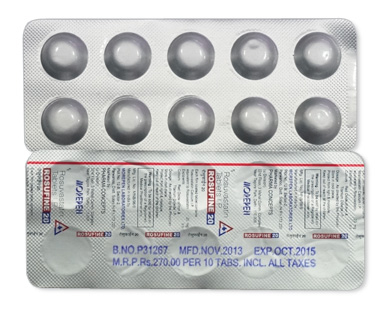
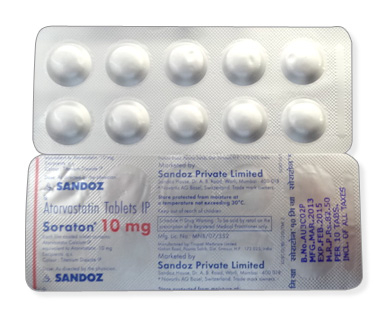
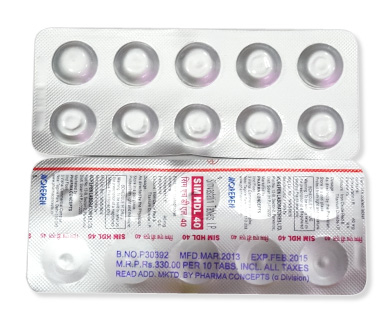
Health Canada has approved several effective statin medications that are widely available across Canadian pharmacies. These proven treatments include atorvastatin (commonly known as Lipitor), which is one of the most prescribed options due to its potent cholesterol-lowering effects. Rosuvastatin (Crestor) offers excellent LDL reduction and HDL improvement. Simvastatin (Zocor) provides reliable cholesterol management with a well-established safety profile, while pravastatin (Pravachol) is often preferred for patients who may be sensitive to other statins. Your healthcare provider will determine the most suitable option based on your specific cholesterol levels, medical history, and individual response to treatment.
Statins effectively lower cholesterol by inhibiting HMG-CoA reductase, an enzyme your liver uses to produce cholesterol. This mechanism forces your liver to remove more LDL cholesterol from your bloodstream. Most patients begin seeing improvements within 2-4 weeks, with maximum benefits typically achieved after 4-6 weeks of consistent use. Dosages usually start low and may be adjusted based on your response and tolerance. Regular monitoring through blood tests helps ensure optimal results while maintaining safety.
While statins remain the first-line treatment for high cholesterol, several alternative medication classes are available for Canadians who cannot tolerate statins or require additional cholesterol management. These non-statin options provide effective alternatives and can be used alone or in combination with other therapies.
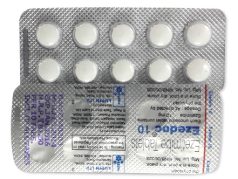
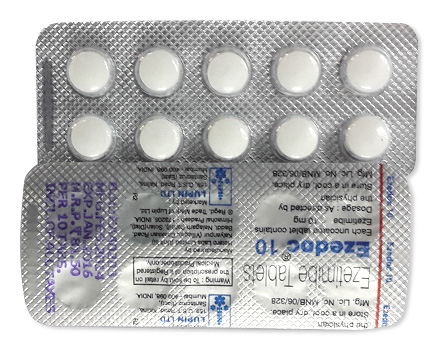
Ezetimibe (Zetia) works by blocking cholesterol absorption in the small intestine, reducing the amount of cholesterol that enters your bloodstream. This medication can lower LDL cholesterol by approximately 15-20% and is often well-tolerated by patients who experience statin-related side effects.
PCSK9 inhibitors, including Repatha and Praluent, are newer injectable medications that can dramatically reduce LDL cholesterol levels by up to 60%. These biologics are typically reserved for patients with familial hypercholesterolemia or those at very high cardiovascular risk who haven't achieved target levels with other treatments.
Bile acid sequestrants help lower cholesterol by binding to bile acids in the intestine, forcing the liver to use more cholesterol to produce new bile acids. While effective, these medications may cause gastrointestinal side effects and can interfere with the absorption of other medications.
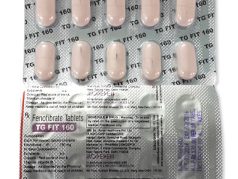
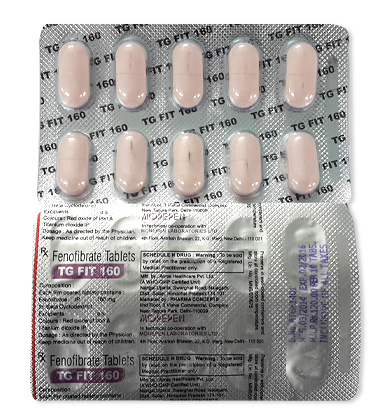
Fibrates are particularly useful for managing high triglyceride levels and can modestly increase HDL cholesterol. They're especially beneficial for patients with mixed dyslipidemia or metabolic syndrome.
Many Canadians are interested in natural approaches to cholesterol management, either as standalone treatments for mild elevations or as complementary support alongside prescription medications. While these over-the-counter options can be beneficial, it's important to discuss their use with your healthcare provider to ensure they're appropriate for your specific situation.
Plant sterols and stanols are naturally occurring compounds that can block cholesterol absorption in the digestive system. Health Canada recognizes that consuming 2 grams daily of plant sterols can help reduce cholesterol levels by 6-10%. These are available in supplement form or in fortified foods like margarine and yogurt.
Red yeast rice supplements contain naturally occurring statins and have been shown to lower cholesterol levels. However, the potency can vary significantly between products, and they may cause similar side effects to prescription statins. Quality and standardization are important considerations when choosing these supplements.
Omega-3 fatty acids, particularly EPA and DHA from fish oil, primarily help reduce triglyceride levels and support overall cardiovascular health. High-quality omega-3 supplements can lower triglycerides by 15-30% when taken in therapeutic doses.
Coenzyme Q10 is often recommended for individuals taking statin medications, as statins can deplete natural CoQ10 levels in the body. This supplement may help reduce muscle-related side effects associated with statin therapy.
Dietary fiber supplements, particularly soluble fiber from sources like psyllium husk, can help lower cholesterol by binding to bile acids and cholesterol in the digestive tract. Regular use of fiber supplements can reduce LDL cholesterol by 5-10%.
Garlic extract products have shown modest cholesterol-lowering effects in some studies, though results are mixed. Aged garlic extract supplements are the most commonly studied form and may provide additional cardiovascular benefits beyond cholesterol reduction.
Niacin supplements can help raise HDL cholesterol and lower triglycerides, but should be used cautiously due to potential side effects including flushing and liver toxicity. Extended-release formulations may reduce some side effects but require medical supervision.
When considering combining natural supplements with prescription cholesterol medications, always consult with your pharmacist or healthcare provider. Some combinations can enhance effects, while others may cause interactions or interfere with medication absorption. Your healthcare team can help create a comprehensive cholesterol management plan that safely incorporates both prescription and natural approaches.
Managing your cholesterol levels has become more convenient with home testing kits available at Canadian pharmacies. These cholesterol test kits allow you to monitor your lipid levels from the comfort of your home, providing valuable insights between regular medical appointments. When using home monitoring tools, it's essential to follow the manufacturer's instructions carefully, ensure proper storage of test strips, and maintain clean testing conditions for accurate results.
While home testing offers convenience and regular monitoring capabilities, professional testing remains necessary for comprehensive health assessments. You should seek professional testing when starting new medications, experiencing symptoms, or when your healthcare provider recommends more detailed lipid analysis that home kits cannot provide.
Health Canada recommends regular cholesterol testing for adults, with frequency depending on your risk factors and current health status. Generally, adults should have their cholesterol checked every three to five years, while those with existing cardiovascular conditions or diabetes may require more frequent monitoring every six months to annually.
Understanding your lipid panel results is crucial for effective cholesterol management. Your lipid panel includes total cholesterol, LDL (bad) cholesterol, HDL (good) cholesterol, and triglycerides. Canadian healthcare guidelines suggest maintaining total cholesterol below 5.2 mmol/L, LDL cholesterol under 3.5 mmol/L for average risk individuals, and HDL cholesterol above 1.0 mmol/L for men and 1.3 mmol/L for women.
Adopting a heart-healthy diet plays a fundamental role in managing cholesterol levels naturally. Canada's Food Guide emphasizes incorporating plenty of vegetables, fruits, whole grains, and lean proteins while limiting saturated and trans fats. Foods rich in soluble fibre, such as oats, beans, and apples, can help reduce LDL cholesterol levels effectively.
Regular physical activity significantly impacts cholesterol management and overall cardiovascular health. Health Canada recommends at least 150 minutes of moderate-intensity aerobic activity weekly, combined with muscle-strengthening exercises twice per week. Consider these exercise options:
Weight management resources, including registered dietitian consultations covered by many provincial health plans, can provide personalized guidance for achieving and maintaining a healthy weight, which directly influences cholesterol levels and overall heart health.
Consulting your doctor becomes essential when experiencing chest pain, shortness of breath, or other cardiovascular symptoms. Additionally, schedule appointments if your home monitoring shows consistently elevated readings, or if you're considering starting cholesterol-lowering supplements or making significant lifestyle changes.
Medication adherence tools, such as pill organizers, smartphone apps, and pharmacy blister packaging services available across Canada, help ensure consistent medication intake. Many Canadian pharmacies offer medication synchronization services and automated refill reminders to support your treatment routine.
Managing side effects requires open communication with your healthcare team. Common side effects of cholesterol medications include muscle pain, digestive issues, or liver enzyme changes. Your pharmacist can provide guidance on timing medications with meals and recognizing when side effects warrant medical attention.
Drug interaction considerations are particularly important when taking multiple medications. Canadian pharmacists maintain comprehensive medication profiles and can identify potential interactions between cholesterol medications and other prescriptions, over-the-counter drugs, or natural health products, ensuring your treatment remains safe and effective.