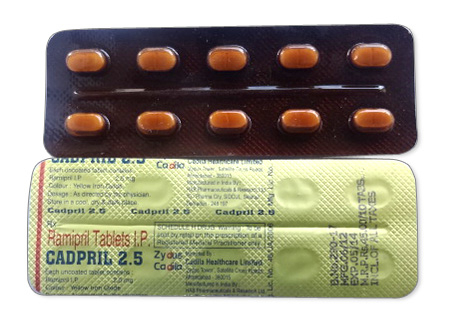
High blood pressure, or hypertension, affects millions of Canadians and is often called the "silent killer" because it typically has no symptoms. When blood pressure consistently measures 140/90 mmHg or higher, it puts excessive strain on your heart, blood vessels, and organs. Left untreated, hypertension significantly increases your risk of heart attack, stroke, kidney disease, and other serious health complications. Regular monitoring and proper management are essential for protecting your cardiovascular health.
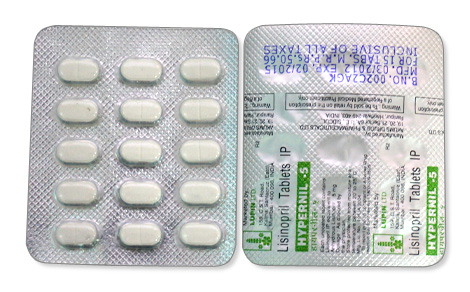
Canadian healthcare providers have access to several effective medication classes to help control blood pressure. Your doctor will determine the most appropriate treatment based on your individual health profile, other medical conditions, and how well you respond to different medications.
Medication is most effective when combined with healthy lifestyle changes. Regular physical activity, maintaining a healthy weight, reducing sodium intake, limiting alcohol consumption, and managing stress all play crucial roles in blood pressure control. Home blood pressure monitoring can help you and your healthcare provider track your progress and adjust treatment as needed. Many Canadian pharmacies offer blood pressure monitoring services and can teach you proper measurement techniques.
Contact your healthcare provider immediately if you experience symptoms such as severe headaches, chest pain, difficulty breathing, or vision changes. Regular check-ups are essential even when you feel well, as blood pressure changes can occur without noticeable symptoms. Your pharmacist can also provide valuable support by monitoring your medications, checking for interactions, and answering questions about your treatment plan.
Cholesterol is a waxy substance that travels through your bloodstream in particles called lipoproteins. Low-density lipoprotein (LDL) or "bad" cholesterol can build up in artery walls, forming plaques that narrow blood vessels and increase heart disease risk. High-density lipoprotein (HDL) or "good" cholesterol helps remove LDL from your arteries. Triglycerides, another type of blood fat, also contribute to cardiovascular risk when elevated. Understanding these numbers helps you and your healthcare team make informed decisions about your heart health.
Statins are the most commonly prescribed cholesterol-lowering medications and have proven highly effective at reducing cardiovascular events. These medications work by blocking an enzyme your liver uses to produce cholesterol, thereby lowering LDL levels and providing additional anti-inflammatory benefits for your arteries.
When statins alone aren't sufficient or aren't well-tolerated, additional medications may be recommended. Ezetimibe works by reducing cholesterol absorption in your intestines and can be used alone or combined with statins. Fenofibrate primarily targets triglycerides and may be prescribed when these levels are significantly elevated. Your healthcare provider will determine the best combination of medications based on your specific cholesterol profile and overall health status.
A heart-healthy diet plays a fundamental role in cholesterol management. Focus on foods rich in soluble fibre, such as oats, beans, and fruits, while limiting saturated and trans fats found in processed foods and fatty meats. The Mediterranean diet pattern, emphasizing fish, olive oil, nuts, and vegetables, has shown particular benefits for cardiovascular health. Regular lipid testing, typically every three to twelve months depending on your risk factors, helps monitor your progress and guide treatment adjustments.
Several factors influence your cardiovascular risk beyond cholesterol levels, including age, family history, smoking, diabetes, and high blood pressure. While you can't change genetic factors, many risk elements are modifiable through lifestyle choices and medical management. Canadian cardiovascular risk assessment tools help healthcare providers determine your overall risk and guide treatment intensity. Prevention strategies include regular exercise, maintaining a healthy weight, not smoking, managing diabetes effectively, and taking prescribed medications consistently as directed by your healthcare team.
Heart rhythm disorders, or arrhythmias, occur when the electrical signals that control your heartbeat become irregular. These conditions can range from harmless to life-threatening and require proper medical evaluation and treatment. Understanding the symptoms and available treatment options in Canada is essential for effective management.
Arrhythmias can present as a heart that beats too fast (tachycardia), too slow (bradycardia), or irregularly. Common symptoms include palpitations, dizziness, shortness of breath, chest pain, and fatigue. Atrial fibrillation is the most common type of arrhythmia, affecting millions of Canadians and significantly increasing the risk of stroke if left untreated.
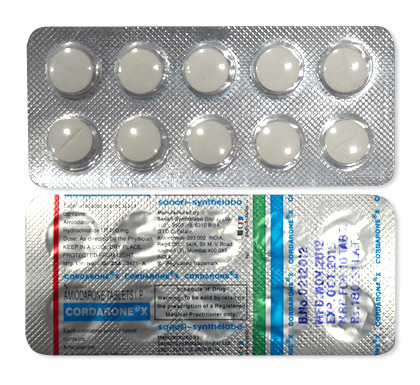
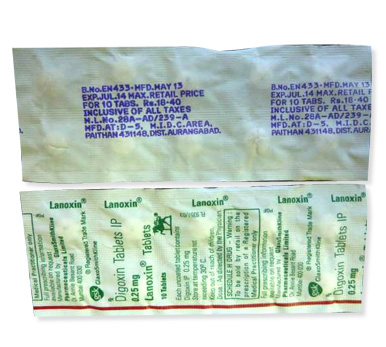
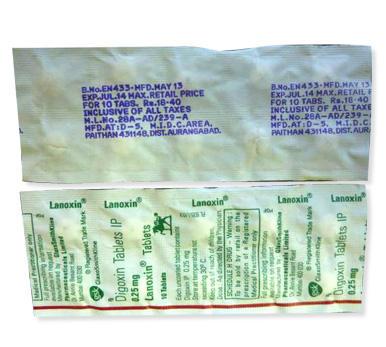
Several antiarrhythmic medications are available through Canadian pharmacies to help restore and maintain normal heart rhythm:
Patients with atrial fibrillation often require anticoagulant therapy to prevent stroke. Canadian healthcare providers commonly prescribe Warfarin, which requires regular INR monitoring, or newer oral anticoagulants like Apixaban and Rivaroxaban, which offer more predictable dosing without routine blood work requirements.
Antiarrhythmic medications require careful monitoring and dosage adjustments. Regular ECGs, blood tests, and clinical assessments help ensure therapeutic effectiveness while minimizing side effects. Patients should maintain open communication with their healthcare team and pharmacist regarding any symptoms or concerns.
Seek immediate medical attention if experiencing chest pain, severe shortness of breath, fainting, or rapid heart rate above 150 beats per minute. These symptoms may indicate a serious arrhythmia requiring emergency treatment.
Heart failure is a chronic condition where the heart cannot pump blood effectively to meet the body's needs. Proper medication management, combined with lifestyle modifications, can significantly improve quality of life and reduce hospitalizations for Canadian patients living with this condition.
Heart failure is classified into different types based on ejection fraction and symptoms. Heart failure with reduced ejection fraction (HFrEF) and heart failure with preserved ejection fraction (HFpEF) require different treatment approaches. The condition progresses through four stages, from risk factors present to advanced symptomatic disease.
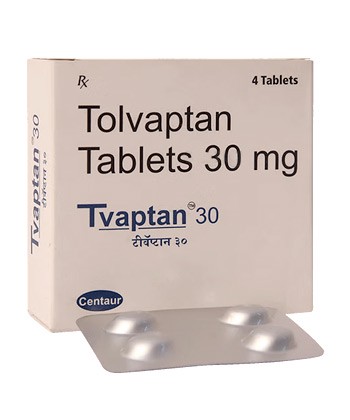
Evidence-based heart failure medications available through Canadian pharmacies include:
Daily weight monitoring helps detect fluid retention early, while consistent medication timing optimises therapeutic benefits. Canadian patients should work closely with their pharmacist to understand proper dosing schedules and potential drug interactions, ensuring optimal treatment outcomes.
Successful heart failure management extends beyond medications to include sodium restriction, fluid monitoring, regular gentle exercise as tolerated, and stress management. Canadian healthcare guidelines emphasise the importance of patient education and self-care skills in managing this chronic condition effectively.
Blood clot prevention and treatment are critical components of cardiovascular care in Canada. Anticoagulation therapy helps reduce the risk of stroke, heart attack, and other serious cardiovascular events by preventing dangerous blood clots from forming or growing larger.
Several cardiovascular conditions may require anticoagulation therapy to prevent life-threatening complications. Atrial fibrillation is one of the most common indications, as this irregular heart rhythm significantly increases stroke risk. Deep vein thrombosis and pulmonary embolism also require immediate anticoagulation treatment. Patients with mechanical heart valves, certain heart rhythm disorders, or those recovering from specific cardiac procedures may need long-term blood thinning therapy under medical supervision.
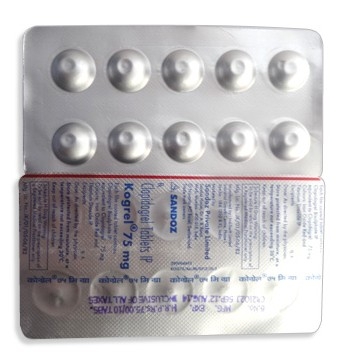
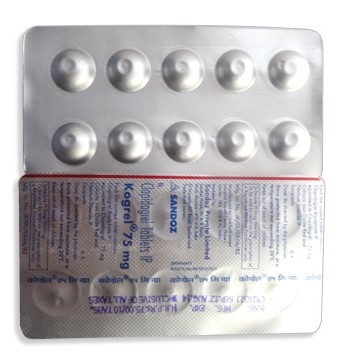
Canadian patients have access to several effective anticoagulation options. Traditional warfarin therapy remains widely used and requires regular blood monitoring to ensure therapeutic levels. Direct oral anticoagulants (DOACs) such as dabigatran, rivaroxaban, and apixaban offer convenient alternatives with predictable dosing and less frequent monitoring requirements. Antiplatelet agents including ASA (acetylsalicylic acid) and clopidogrel provide important protection for patients with coronary artery disease and those at risk of heart attack.
Safe anticoagulation therapy requires careful monitoring and patient education. Warfarin patients need regular INR testing to maintain therapeutic levels, while DOAC users benefit from periodic kidney function assessments. All patients on anticoagulants should be aware of bleeding warning signs and carry medical identification indicating their medication use.
Anticoagulant medications can interact with numerous other drugs and foods. Warfarin is particularly sensitive to vitamin K intake and requires consistent dietary habits. Patients should maintain a comprehensive medication list and consult healthcare providers before starting new medications, including over-the-counter products and herbal supplements.
Angina is chest pain caused by reduced blood flow to the heart muscle, often indicating underlying coronary artery disease. Proper medication management and lifestyle modifications can significantly improve symptoms and reduce the risk of heart attack.
Stable angina typically occurs during physical exertion or stress and follows a predictable pattern. Unstable angina is more serious, occurring at rest or with minimal activity and requiring immediate medical attention. Warning signs include chest pressure, shortness of breath, pain radiating to the arm or jaw, and unusual fatigue, particularly in women.
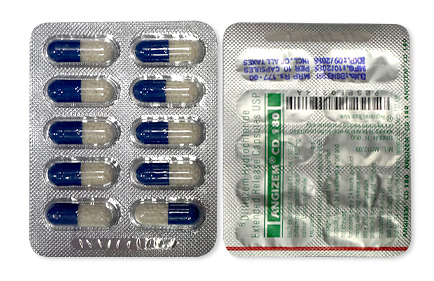
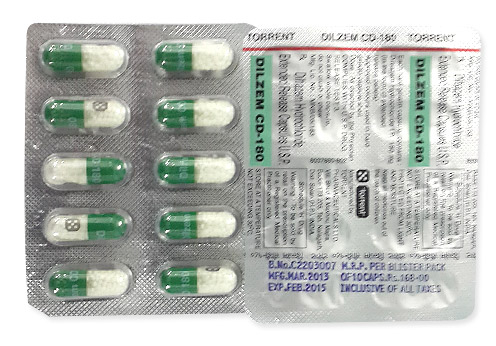
Canadian patients have access to proven angina medications that can provide both immediate relief and long-term prevention. Nitrates, including sublingual nitroglycerin and longer-acting isosorbide preparations, work by dilating coronary arteries to improve blood flow. Beta-blockers help prevent angina episodes by reducing heart rate and blood pressure during physical activity. Calcium channel blockers offer another effective option for preventing angina attacks and managing associated hypertension.
Nitroglycerin tablets or spray should be readily accessible for angina patients and stored according to specific guidelines to maintain effectiveness. These medications should be kept in original containers, protected from light and moisture, and replaced regularly as they lose potency over time. Patients should understand proper dosing protocols and when to seek emergency care if symptoms don't improve.
Comprehensive angina management extends beyond medications to include important lifestyle changes. Cardiac rehabilitation programs available across Canada provide supervised exercise training, nutritional counselling, and stress management techniques. Key lifestyle modifications include:
Angina patients should seek emergency care immediately if chest pain becomes more severe, lasts longer than usual, or doesn't respond to nitroglycerin as expected. New or worsening symptoms, particularly chest pain at rest, may indicate an impending heart attack requiring urgent treatment. Emergency services should be contacted for any chest pain accompanied by sweating, nausea, dizziness, or difficulty breathing.