Cancer is a complex group of diseases characterized by the uncontrolled growth and spread of abnormal cells throughout the body. When normal cellular processes are disrupted, cells can begin to divide rapidly and form masses called tumours, which may spread to other parts of the body through a process known as metastasis. Understanding how cancer develops helps patients and families better navigate treatment decisions and work effectively with their healthcare teams.
In Canada, several types of cancer are commonly diagnosed, with breast cancer, lung cancer, colorectal cancer, and prostate cancer representing the most frequently occurring forms. According to the Canadian Cancer Society, these cancers account for a significant portion of new diagnoses each year. Other prevalent cancers include bladder cancer, kidney cancer, leukemia, and lymphoma, each requiring specialized treatment approaches tailored to the specific type and stage of disease.
Cancer treatment in Canada employs multiple therapeutic approaches, often used in combination to achieve the best possible outcomes. The main treatment categories include:
Cancer medications work through various mechanisms to fight disease progression. Some drugs damage the DNA of cancer cells, preventing them from reproducing, while others interfere with specific pathways that cancer cells use for growth and survival. The goal is to eliminate cancerous tissue while minimizing damage to healthy cells and organs.
Early detection remains crucial for successful cancer treatment outcomes. Regular screening programs and prompt medical attention for concerning symptoms can significantly improve prognosis. Additionally, supportive care medications play an essential role in managing treatment side effects, controlling pain, preventing infections, and maintaining quality of life throughout the treatment journey.
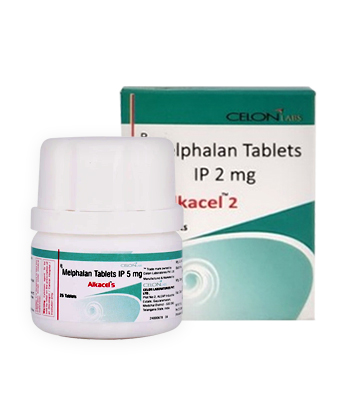
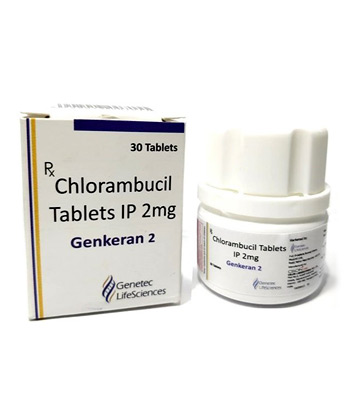
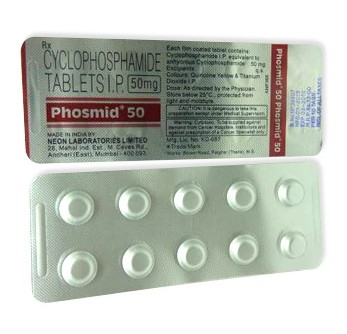
Canadian oncologists prescribe a wide range of chemotherapy medications, each designed to target cancer cells through different mechanisms of action. Common chemotherapy drugs available through Canadian healthcare systems include carboplatin, cisplatin, doxorubicin, cyclophosphamide, and paclitaxel. These medications are often used in combination protocols to maximize effectiveness against specific cancer types while managing potential side effects.
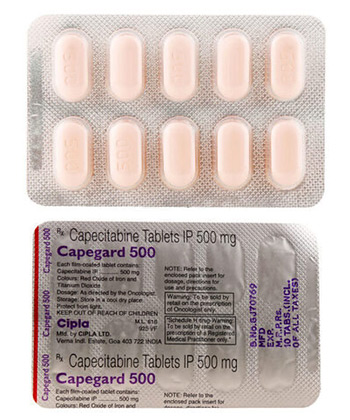
Chemotherapy treatments are available in both oral and intravenous formulations, providing flexibility in treatment administration. Oral chemotherapy medications, such as capecitabine and temozolomide, allow patients to receive treatment at home, reducing hospital visits and improving convenience. Intravenous treatments are typically administered in specialized cancer centres or hospital settings under close medical supervision, ensuring proper dosing and immediate management of any adverse reactions.
Both brand-name and generic chemotherapy medications are available through Canadian pharmacies, helping to improve accessibility and reduce treatment costs. Health Canada rigorously evaluates all cancer medications for safety and efficacy before approval, ensuring that generic alternatives meet the same stringent standards as their brand-name counterparts. Provincial drug plans and private insurance often provide coverage for these essential medications.
Chemotherapy drugs target cancer cells by interfering with cell division and DNA replication processes. However, these medications can also affect healthy, rapidly dividing cells, which is why treatment cycles typically include rest periods between doses. This scheduling allows normal cells time to recover while maintaining pressure on cancerous tissue.
Proper storage and handling of chemotherapy medications is critical for maintaining drug effectiveness and ensuring patient safety. Many chemotherapy drugs require refrigeration and protection from light, while others must be stored at room temperature in secure locations. Canadian pharmacies follow strict protocols for dispensing these medications, including specialized packaging and detailed patient education about safe handling procedures at home.
The Canadian healthcare system has embraced innovative cancer treatment approaches that offer more precise and effective options for patients. Targeted therapy represents a significant advancement in oncology, focusing on specific proteins and genetic mutations that drive cancer growth. These medications work by blocking the signals that tell cancer cells to grow and divide, offering a more focused approach compared to traditional chemotherapy.
Health Canada has approved numerous targeted therapy medications that are now available through Canadian pharmacies. These include monoclonal antibodies, tyrosine kinase inhibitors, and other molecularly targeted agents. Popular brands prescribed across Canada include trastuzumab for HER2-positive breast cancer, imatinib for chronic myeloid leukemia, and bevacizumab for various solid tumours.
Immunotherapy drugs represent another breakthrough in cancer treatment, harnessing the body's natural immune system to fight cancer cells. These medications work by:
Precision medicine has become increasingly important in Canadian cancer care, with treatment plans tailored to individual genetic profiles and tumour characteristics. This personalized approach ensures patients receive the most appropriate therapy based on their specific cancer type and molecular markers. While these modern treatments offer significant benefits, including improved survival rates and often fewer side effects, they require careful monitoring and may involve higher costs that patients should discuss with their healthcare providers and provincial health plans.
Hormone therapy plays a crucial role in treating cancers that depend on hormones for growth. This treatment approach is particularly effective for breast, prostate, and endometrial cancers, where hormones like estrogen and testosterone can fuel tumour development. Canadian oncologists frequently prescribe hormone therapy as both primary treatment and adjuvant therapy to prevent cancer recurrence.
For estrogen receptor-positive breast cancer, several anti-estrogen medications are available through Canadian pharmacies. Tamoxifen remains a cornerstone treatment, particularly for premenopausal women, while aromatase inhibitors like anastrozole, letrozole, and exemestane are commonly prescribed for postmenopausal patients. These medications work by either blocking estrogen receptors or reducing estrogen production in the body.
Prostate cancer treatment often involves androgen deprivation therapy, which reduces testosterone levels that fuel cancer growth. Canadian patients may receive LHRH agonists, antiandrogens, or combination therapies depending on their specific condition and disease stage.
Long-term hormone therapy requires careful consideration of potential side effects, including bone density loss, cardiovascular risks, and quality of life impacts. Regular monitoring through blood tests, bone density scans, and cardiovascular assessments ensures patient safety throughout treatment. Canadian healthcare providers work closely with patients to balance treatment effectiveness with manageable side effects, adjusting dosages and treatment duration as needed.
Cancer treatment can present various challenges and side effects that require specialized supportive care. Canadian pharmacies offer a comprehensive range of medications and products designed to help patients manage symptoms effectively throughout their cancer journey. These supportive care options focus on maintaining quality of life while ensuring patients can continue their prescribed treatment regimens.
Chemotherapy-induced nausea and vomiting are among the most common side effects experienced by cancer patients. Healthcare providers in Canada prescribe several classes of anti-emetic medications to prevent and manage these symptoms. These include serotonin receptor antagonists, NK1 receptor antagonists, and corticosteroids. Many of these medications are available through provincial formularies and are often covered under public drug plans when prescribed for cancer-related nausea.
Effective pain management is crucial for cancer patients dealing with both disease-related discomfort and treatment side effects. Canadian pharmacies provide access to various pain relief options, from over-the-counter medications to prescription opioids and adjuvant therapies. Pain management strategies are individualized based on the type and severity of pain, with healthcare teams working closely with patients to optimize comfort while minimizing side effects.
Cancer treatments often compromise the immune system, making patients more susceptible to infections. Prophylactic medications, including antibiotics, antifungals, and antivirals, may be prescribed to reduce infection risk. Additionally, growth factors that stimulate white blood cell production are available to help maintain immune function during treatment cycles.
Maintaining proper nutrition during cancer treatment can be challenging due to appetite changes, taste alterations, and digestive issues. Canadian pharmacies stock specialized nutritional supplements designed for cancer patients, including high-protein drinks, vitamin and mineral supplements, and products to address specific nutritional deficiencies that may arise during treatment.
The emotional and physical stress of cancer diagnosis and treatment often leads to sleep disturbances and anxiety. Healthcare providers may prescribe appropriate sleep aids and anti-anxiety medications to help patients cope with these challenges. These medications are carefully selected to avoid interactions with cancer treatments and are monitored regularly for effectiveness and safety.
Radiation therapy and certain chemotherapy drugs can cause significant skin irritation, dryness, and sensitivity. Specialized skin care products formulated for cancer patients are available to help manage these side effects. These products are typically fragrance-free, gentle, and designed to support skin healing and comfort during treatment.
Navigating the healthcare system to access cancer medications in Canada involves understanding various coverage options and support programs. The Canadian healthcare landscape provides multiple pathways to ensure patients can obtain necessary treatments, though the process may vary by province and individual circumstances.
Each Canadian province and territory operates its own drug coverage program with specific formularies for cancer medications. These programs typically cover most standard chemotherapy drugs and supportive care medications. Coverage criteria and approval processes vary by jurisdiction, but most programs prioritize cancer treatments and often provide expedited review processes for oncology drugs.
Private insurance plans often complement provincial coverage by covering medications not included in public formularies or providing coverage for patients who don't qualify for provincial programs. It's important for patients to understand their private insurance benefits, including annual maximums, deductibles, and specific coverage for cancer medications. Many plans also cover supportive care medications and supplies that may not be included in public programs.
For patients who need access to newer cancer medications not yet approved or covered in Canada, compassionate access programs may provide options. These programs, offered by pharmaceutical companies and sometimes coordinated through Health Canada's Special Access Programme, allow eligible patients to receive experimental or recently approved treatments when standard options have been exhausted.
Oncology pharmacists play a crucial role in cancer care, providing specialized expertise in cancer medications and their interactions. These healthcare professionals can help patients understand their medications, manage side effects, and navigate coverage options. Many cancer centres in Canada have dedicated oncology pharmacists who work closely with the healthcare team to optimize treatment outcomes.
Many pharmaceutical companies offer patient assistance programs to help cover the cost of their cancer medications. These programs may include:
Generic versions of many cancer medications are available in Canada, offering the same therapeutic benefits at reduced costs. As patents expire on brand-name cancer drugs, generic alternatives become available, making treatment more affordable for patients and the healthcare system. Healthcare providers and pharmacists can discuss generic options when appropriate, helping patients access effective treatment while managing costs.