Blood pressure is the force exerted by circulating blood against the walls of your arteries as your heart pumps. It's measured using two numbers: systolic pressure (the top number) represents the pressure when your heart beats, while diastolic pressure (the bottom number) indicates the pressure when your heart rests between beats. Blood pressure is recorded in millimetres of mercury (mmHg) and expressed as systolic over diastolic, such as 120/80 mmHg.
According to Health Canada guidelines, normal blood pressure is typically below 120/80 mmHg. High blood pressure (hypertension) is generally diagnosed when readings consistently measure 140/90 mmHg or higher. Several risk factors contribute to elevated blood pressure, including age, family history, obesity, excessive sodium intake, lack of physical activity, smoking, and chronic stress. Understanding these factors helps Canadians take proactive steps toward better cardiovascular health.
Primary hypertension, also known as essential hypertension, accounts for approximately 90-95% of high blood pressure cases in Canadian adults. This type develops gradually over years without an identifiable underlying cause, often linked to lifestyle factors and genetic predisposition.
Secondary hypertension results from underlying medical conditions such as kidney disease, hormonal disorders, or certain medications. This type can often be reversed by treating the root cause. Hypotension, or low blood pressure, occurs when readings fall below 90/60 mmHg and may cause dizziness, fainting, or fatigue, though it's generally less concerning than hypertension.
High blood pressure is often called the "silent killer" because it typically presents no obvious symptoms until serious complications develop. When symptoms do occur, they may include:
Long-term uncontrolled hypertension significantly increases the risk of heart disease, stroke, kidney damage, and vision problems. Regular monitoring through home blood pressure checks or visits to your local Canadian pharmacy is essential for early detection and management, helping prevent serious cardiovascular complications.
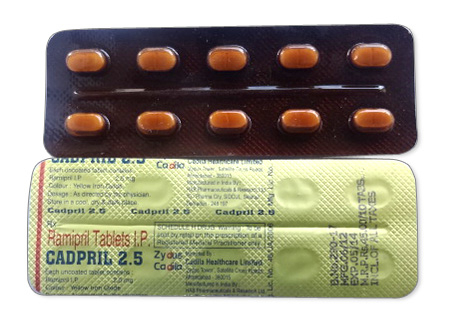
Angiotensin-converting enzyme (ACE) inhibitors are among the most commonly prescribed blood pressure medications available through Canadian pharmacies. Popular brands include Ramipril (Altace), Lisinopril (Prinivil, Zestril), and Enalapril (Vasotec). These medications work by blocking the production of angiotensin II, a hormone that causes blood vessels to narrow, thereby allowing blood vessels to relax and widen.
Typical starting doses range from 2.5mg to 10mg daily, with your healthcare provider adjusting the dosage based on your response and blood pressure readings. ACE inhibitors are usually taken once daily, preferably at the same time each day. They're particularly beneficial for patients with diabetes or heart failure, as they provide additional protective effects for the heart and kidneys beyond blood pressure reduction.
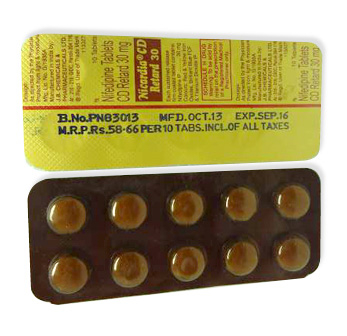
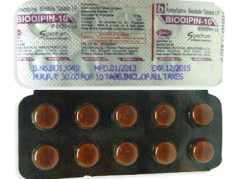
Calcium channel blockers available in Canada include Amlodipine (Norvasc) and Nifedipine (Adalat XL), which are effective first-line treatments for hypertension. These medications prevent calcium from entering the muscle cells of the heart and blood vessels, causing the blood vessels to relax and the heart to pump with less force, ultimately lowering blood pressure.
Patient considerations include potential side effects such as ankle swelling, dizziness, or flushing, particularly when starting treatment. These medications are often preferred for elderly patients and those with certain heart conditions. Your pharmacist can provide detailed counselling on proper timing, potential food interactions, and monitoring requirements to ensure optimal therapeutic outcomes while minimizing adverse effects.
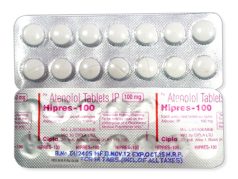
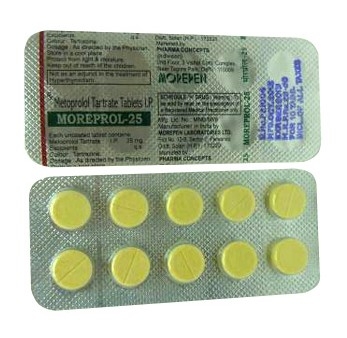
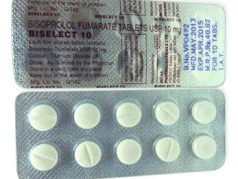
Beta blockers are a cornerstone of blood pressure management in Canada, working by blocking the effects of adrenaline on your heart and blood vessels. These medications slow your heart rate and reduce the force of heart contractions, effectively lowering blood pressure and reducing strain on your cardiovascular system.
Popular beta blockers available through Canadian pharmacies include:
Beta blockers are especially beneficial for patients with concurrent heart conditions, anxiety, or those who have experienced heart attacks. However, they require careful monitoring in patients with asthma, diabetes, or certain heart rhythm disorders, as they may mask symptoms of low blood sugar or worsen breathing difficulties.
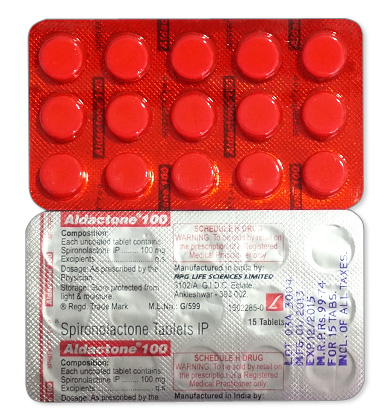
Diuretics help lower blood pressure by removing excess sodium and water from your body through increased urination. This reduces the volume of fluid in your blood vessels, decreasing the pressure against vessel walls. They're often prescribed as first-line treatment due to their proven effectiveness and affordability under provincial health plans.
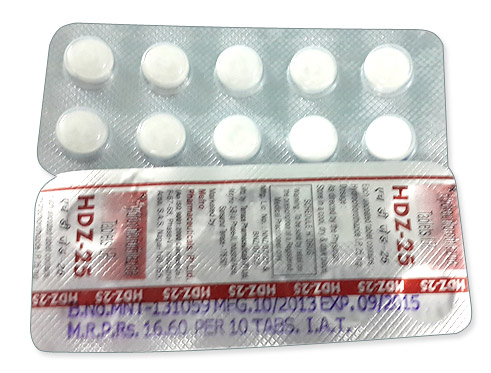
Common diuretics available in Canada include Hydrochlorothiazide (HCTZ), often combined with other blood pressure medications, and Furosemide (Lasix) for more intensive fluid removal. Chlorthalidone and Indapamide are also frequently prescribed alternatives with longer-lasting effects.
Regular monitoring of kidney function, electrolyte levels, and blood pressure is essential when taking diuretics, as they can affect potassium and sodium balance.
ARBs block the action of angiotensin II, a hormone that causes blood vessels to narrow. By preventing this narrowing, ARBs help blood vessels relax and widen, reducing blood pressure effectively. Popular ARBs in Canada include Losartan (Cozaar), Valsartan (Diovan), and Telmisartan (Micardis).
These medications are particularly well-tolerated, with fewer side effects than ACE inhibitors, making them excellent alternatives for patients who experience the dry cough commonly associated with ACE inhibitors.
Regular monitoring at home is essential for managing blood pressure effectively. Our selection includes both digital and manual blood pressure monitors to suit your preferences and needs. Digital monitors offer convenience and ease of use with automatic inflation and clear digital displays, making them ideal for daily home monitoring. Manual monitors, preferred by healthcare professionals, provide precise readings when used with proper technique.
To ensure accurate measurements, it's important to follow proper technique: sit quietly for 5 minutes before testing, use the correct cuff size, and position your arm at heart level. We recommend checking your blood pressure at the same time each day, ideally in the morning and evening, and keeping a log of your readings to share with your healthcare provider.
Many Canadian pharmacies offer professional blood pressure monitoring services using clinical-grade equipment. These in-store checks provide an excellent opportunity to verify your home readings and receive guidance on proper monitoring techniques. Professional monitoring is particularly valuable when starting new medications, adjusting dosages, or if you're experiencing unusual readings at home.
Supporting your cardiovascular health through targeted nutrition is an important complement to prescribed medications. Our pharmacy carries evidence-based supplements that may help support healthy blood pressure levels:
Always consult with our pharmacists before adding supplements to your routine, as they can interact with prescription medications and may not be suitable for everyone.
Managing blood pressure extends beyond medication to include comprehensive lifestyle support. We offer resources and tools to help you implement heart-healthy changes, including low-sodium meal planning guides that align with Health Canada's dietary recommendations. Exercise tracking supplies such as pedometers and fitness journals can help you monitor your physical activity progress. Additionally, stress management aids including relaxation guides and mindfulness resources support your overall cardiovascular wellness approach.
Recognizing hypertensive crisis symptoms is crucial for your safety. Seek immediate medical attention if you experience severe headaches, chest pain, difficulty breathing, severe anxiety, or nosebleeds combined with extremely high blood pressure readings (typically 180/120 mmHg or higher). In Canada, call 911 or visit your nearest emergency department without delay if these symptoms occur.
Ongoing blood pressure management requires regular healthcare oversight to ensure optimal treatment outcomes. Your healthcare provider will monitor medication effectiveness through regular check-ups and may need to adjust dosages or switch medications based on your response and any side effects you experience. It's essential to discuss all medications, supplements, and over-the-counter products with your healthcare team to avoid potentially dangerous drug interactions.
Canadian pharmacists are valuable partners in your blood pressure management journey. Our comprehensive medication review services help identify potential interactions and optimize your treatment plan. Many pharmacies offer specialized blood pressure monitoring programs that provide regular check-ins and tracking services. We also provide extensive educational resources about blood pressure management, medication adherence, and lifestyle modifications to help you achieve the best possible health outcomes.