Birth control, also known as contraception, refers to methods and devices used to prevent pregnancy. Understanding your contraceptive options is essential for making informed decisions about your reproductive health and family planning goals. With numerous methods available, choosing the right birth control can significantly impact your quality of life, health, and personal circumstances.
Canadians have access to a wide range of contraceptive methods, each with unique benefits and considerations. These options include:
Contraceptive effectiveness varies significantly between methods. When used perfectly, hormonal methods like birth control pills are over 99% effective, while barrier methods range from 82-98% effectiveness with typical use. Consider factors such as your lifestyle, health conditions, frequency of sexual activity, and long-term family planning goals when selecting a method.
Speaking with a healthcare provider is crucial for determining the most suitable birth control method for your individual needs. Your doctor or pharmacist can assess your medical history, discuss potential side effects, and help you weigh the benefits and risks of different options. Regular follow-ups ensure your chosen method continues to meet your needs effectively.
Many contraceptive methods are covered under provincial health insurance plans across Canada, though coverage varies by province. Birth control pills, IUDs, and other prescription contraceptives may be partially or fully covered. Additionally, many provinces offer specialized programs for youth or low-income individuals to access contraception at reduced costs.
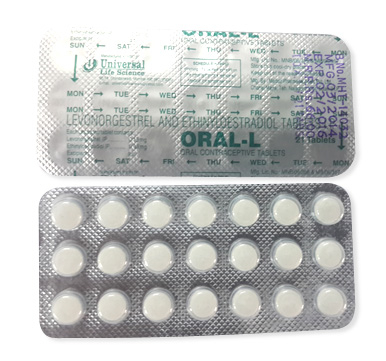
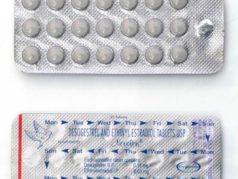
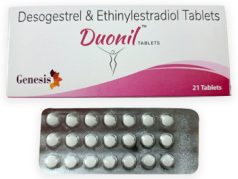
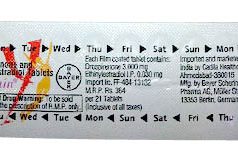
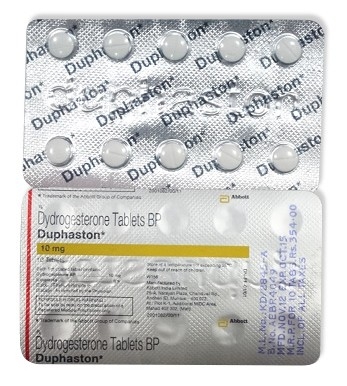
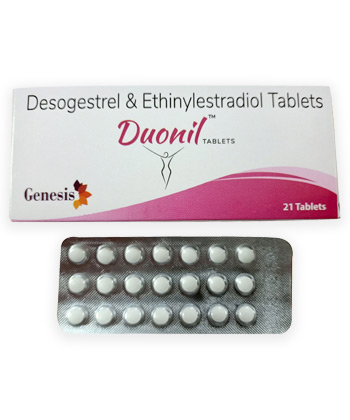
Hormonal birth control pills are among the most popular contraceptive methods in Canada, offering highly effective pregnancy prevention when taken correctly. These oral contraceptives work by releasing synthetic hormones that prevent ovulation, thicken cervical mucus, and thin the uterine lining to create multiple barriers against pregnancy.
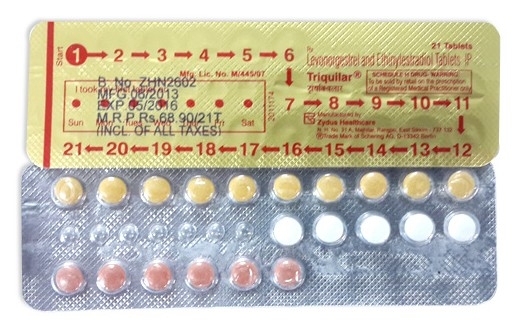
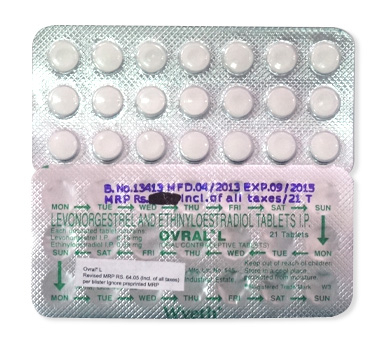
Combined oral contraceptives contain both estrogen and progestin hormones, typically taken daily for 21 days followed by a 7-day break or placebo pills. These pills are highly effective when taken consistently at the same time each day, with over 99% effectiveness when used perfectly.
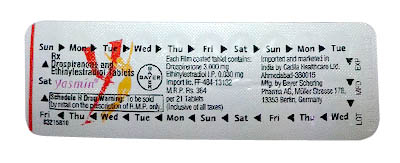
Several trusted brands of birth control pills are readily available at Canadian pharmacies. Popular options include Alesse, known for its lower hormone dose and good tolerability; Yasmin, which contains drospirenone that may help reduce bloating; Marvelon, a monophasic pill with consistent hormone levels; and Tri-Cyclen, a triphasic formulation that mimics natural hormone fluctuations. Each brand offers unique hormone combinations and dosing schedules to suit different needs.
Progestin-only pills, or mini-pills, contain only synthetic progestin without estrogen. These are ideal for women who cannot take estrogen due to medical conditions, are breastfeeding, or experience estrogen-related side effects. Mini-pills must be taken at the same time every day for maximum effectiveness.
Hormonal birth control pills offer numerous health benefits beyond pregnancy prevention. Many users experience lighter, more regular periods, reduced menstrual cramps, and decreased risk of ovarian and endometrial cancers. Some formulations can also help manage acne, reduce symptoms of premenstrual syndrome (PMS), and provide relief from conditions like polycystic ovary syndrome (PCOS).
While generally well-tolerated, birth control pills may cause side effects in some users, including nausea, breast tenderness, mood changes, or breakthrough bleeding, particularly during the first few months of use. Serious but rare risks include blood clots, especially in smokers over 35. Your healthcare provider will assess your individual risk factors to ensure hormonal contraception is safe for you.
Long-Acting Reversible Contraception (LARC) methods provide highly effective birth control for extended periods without requiring daily attention. These methods are among the most reliable forms of contraception available in Canada, offering convenience and peace of mind for women seeking long-term pregnancy prevention.
IUDs are small, T-shaped devices inserted into the uterus by a healthcare provider. Two main types are available: copper IUDs, which work by creating an environment toxic to sperm, and hormonal IUDs, which release progestin to prevent ovulation and thicken cervical mucus.
Popular IUD brands available in Canada include:
Depo-Provera injections offer 12-14 weeks of contraceptive protection through a quarterly injection of synthetic progestin. This method is particularly suitable for women who prefer not to take daily medication or use intrauterine devices.
The insertion process for IUDs involves a brief in-office procedure performed by a qualified healthcare provider. While some discomfort may occur during insertion, the procedure typically takes only a few minutes. Removal is similarly straightforward when pregnancy is desired or the device reaches its expiry date, with fertility generally returning quickly after removal.
Barrier methods create a physical obstacle preventing sperm from reaching an egg, offering hormone-free contraceptive options. These methods can be used as needed and provide immediate pregnancy prevention when used correctly.
Condoms remain one of the most accessible barrier methods, with both male and female varieties available without prescription across Canada. Beyond pregnancy prevention, condoms provide crucial protection against sexually transmitted infections. Other barrier methods include diaphragms and cervical caps, which require proper fitting by a healthcare provider, and contraceptive sponges containing spermicide.
Spermicides can be used alone or in combination with other barrier methods to increase effectiveness. These products work by immobilizing sperm and are available in various forms including gels, creams, and suppositories.
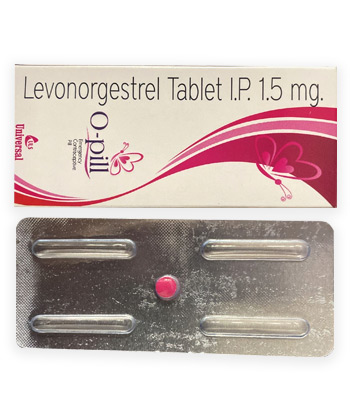
Emergency contraception provides a crucial backup option when regular contraceptive methods fail or are unavailable. In Canada, emergency contraceptive options include:
Both options are available without prescription at Canadian pharmacies. Emergency contraception should be used as soon as possible after unprotected intercourse, contraceptive failure, or missed birth control pills for maximum effectiveness.
Natural family planning involves tracking your menstrual cycle to identify fertile days. The calendar method requires recording cycle lengths over several months to predict ovulation. Basal body temperature tracking involves taking your temperature daily to detect the slight rise that occurs after ovulation. These methods require dedication and consistent monitoring to be effective.
The withdrawal method, while requiring no devices or hormones, has limited effectiveness due to pre-ejaculatory fluid containing sperm. Natural methods work best when combined and require both partners' commitment to abstinence during fertile periods.
For those seeking permanent solutions, sterilization procedures offer highly effective options. Tubal ligation for women and vasectomy for men are considered permanent, though reversal procedures exist. These decisions require careful consideration of age, family planning goals, and understanding that reversal success isn't guaranteed. Consultation with healthcare providers helps ensure informed decision-making about permanent contraception.
Selecting appropriate birth control depends on various personal factors including lifestyle, existing health conditions, age, and relationship status. Consider how frequently you're sexually active, your comfort level with hormones, and whether you desire future pregnancies. Medical conditions like blood clot history, smoking, or certain medications may influence suitable options.
Canadian pharmacists and healthcare providers offer valuable guidance in selecting birth control methods. They can explain effectiveness rates, potential side effects, and help you weigh options based on your individual circumstances. Don't hesitate to discuss concerns about switching methods or managing side effects.
Prescription requirements vary by method, with many options requiring doctor or nurse practitioner assessment before initial dispensing.