Asthma is a chronic respiratory condition that affects the airways in your lungs, causing them to become inflamed, narrow, and produce excess mucus. This makes breathing difficult and can trigger coughing, wheezing, and shortness of breath. When asthma symptoms occur, the muscles around the airways tighten, further restricting airflow and making it challenging to breathe normally.
Asthma symptoms can vary from person to person but typically include wheezing (a whistling sound when breathing), shortness of breath, chest tightness or pain, and persistent coughing, especially at night or early morning. These symptoms may worsen during physical activity or exposure to triggers.
Risk factors include family history of asthma or allergies, childhood respiratory infections, and exposure to environmental irritants. Proper medical diagnosis through lung function tests and symptom assessment is essential for developing an effective treatment plan and ensuring optimal asthma control.
Understanding and avoiding asthma triggers is crucial for effective management. Common environmental triggers include pollen, dust mites, pet dander, tobacco smoke, strong odours, and air pollution. Indoor triggers such as mould, cockroach droppings, and cleaning products can also provoke symptoms.
Canada's diverse climate presents unique seasonal challenges for asthma management. Spring and summer bring high pollen counts, while winter's cold, dry air and increased indoor heating can irritate airways. Fall may trigger symptoms due to mould spores from decaying leaves and the return to indoor environments.
Successful asthma management involves lifestyle adjustments such as regular exercise appropriate for your condition, maintaining a healthy weight, and avoiding known triggers. Working with your healthcare provider to create a personalized asthma action plan helps you recognize worsening symptoms, know when to adjust medications, and understand when to seek emergency care.
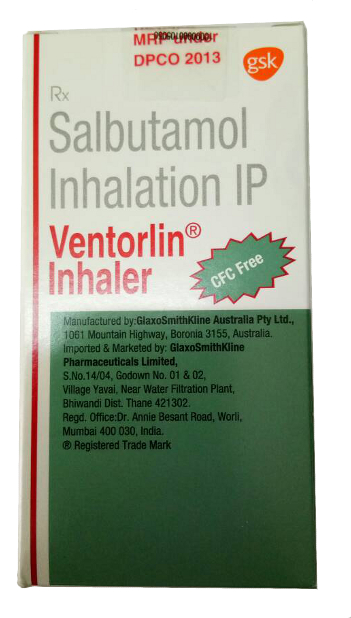
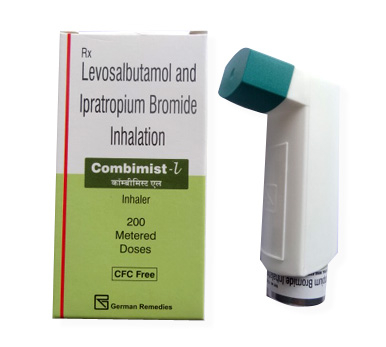
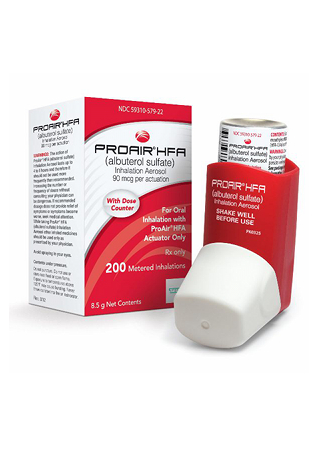
Quick-relief medications, commonly known as rescue inhalers, are essential for managing sudden asthma symptoms and breathing difficulties. These medications contain short-acting beta-agonists (SABAs) that work rapidly to relax the muscles around your airways, providing immediate relief during an asthma attack or when experiencing shortness of breath.
Several effective rescue inhalers are readily available at Canadian pharmacies:
Use your rescue inhaler when experiencing wheezing, chest tightness, or difficulty breathing. The standard technique involves shaking the inhaler, exhaling fully, creating a seal around the mouthpiece, and inhaling slowly and deeply while pressing down on the canister. Hold your breath for 10 seconds before exhaling. Spacer devices can significantly improve medication delivery, especially for children and elderly patients, by ensuring more medication reaches the lungs rather than staying in the mouth and throat.
Long-term control medications are the cornerstone of effective asthma management, designed to reduce airway inflammation and prevent symptoms from occurring. These medications are taken daily, regardless of how you feel, to maintain optimal lung function and reduce the frequency of asthma attacks.
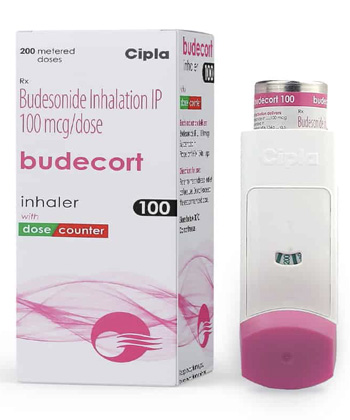
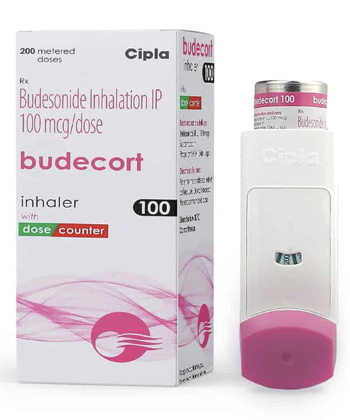
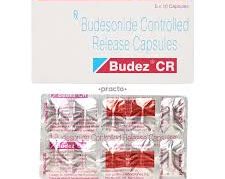
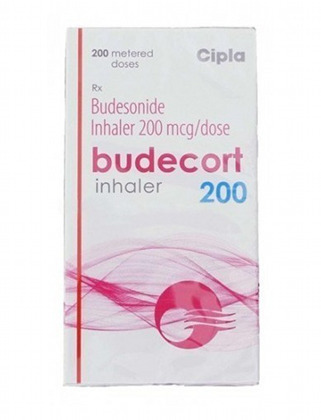
Inhaled corticosteroids are the most effective long-term control medications for persistent asthma. They work by reducing inflammation in the airways, making them less sensitive to triggers. Popular Canadian brands include:
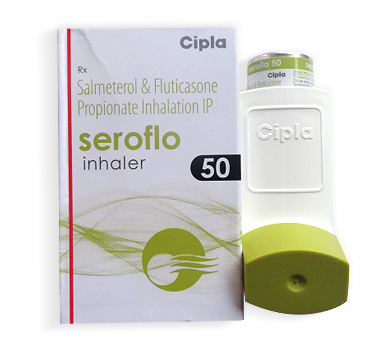
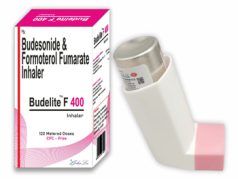
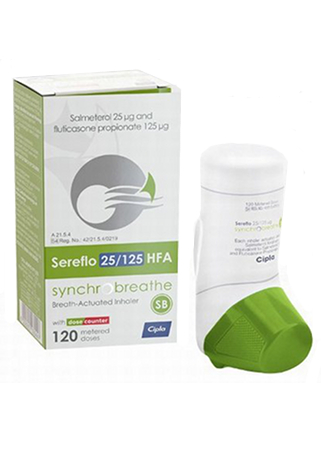
For patients requiring both anti-inflammatory and bronchodilator therapy, combination inhalers offer convenience and improved adherence. These products contain inhaled corticosteroids paired with long-acting beta-agonists (LABAs). Available options in Canada include Advair (fluticasone/salmeterol), Symbicort (budesonide/formoterol), and Breo Ellipta (fluticasone/vilanterol). These medications provide comprehensive asthma control by addressing both inflammation and airway constriction.
Leukotriene modifiers, such as montelukast, offer an oral alternative for patients who cannot use inhalers effectively or require additional control. These medications block inflammatory pathways and can be particularly beneficial for exercise-induced asthma and patients with allergic rhinitis.
Proper inhaler technique is crucial for effective asthma management. Understanding your specific device and using it correctly ensures that medication reaches your lungs where it's needed most.
There are three main types of inhaler devices available in Canada:
For metered-dose inhalers, proper technique involves several key steps. Before use, shake the MDI vigorously and prime it if it's new or hasn't been used recently. Exhale fully, place the mouthpiece between your lips creating a good seal, or attach a spacer device. Begin a slow, deep inhalation, press the canister once firmly, continue inhaling slowly and deeply, then hold your breath for 5-10 seconds before exhaling slowly.
When using a spacer with your MDI, press the canister once into the spacer and take 3-4 slow, deep breaths from the spacer. This method is particularly helpful for children and those who have difficulty coordinating the press-and-breathe technique.
Dry powder inhalers require a different approach. Never shake a DPI as this can clump the powder. Load the dose according to your device's instructions, exhale fully away from the device to avoid moisture, seal your lips tightly around the mouthpiece, and inhale forcefully and deeply. Hold your breath for 5-10 seconds, then exhale away from the device.
Regular maintenance extends your inhaler's life and ensures proper function. Clean MDI and soft mist inhaler mouthpieces weekly with warm, soapy water and allow them to air dry completely. Keep DPIs dry at all times and store all inhalers at room temperature. Check dose counters regularly and obtain refills before running out.
Common mistakes that reduce medication effectiveness include poor coordination with MDIs, exhaling into DPIs, not holding your breath after inhalation, avoiding spacer use when recommended, and neglecting regular device maintenance.
Managing asthma effectively in Canada involves understanding our healthcare system, adapting to our climate, and accessing available support resources.
Access to asthma medications in Canada varies by province and depends on provincial drug plans and private insurance coverage. Many provinces provide coverage for essential asthma medications or offer special programmes for individuals with low income or high medication costs.
To maximize your coverage options, check your provincial formulary for covered medications, consult your pharmacist about generic alternatives that may be more affordable, and inquire about manufacturer rebate programmes or patient assistance programmes if cost remains a barrier. Your healthcare provider can help navigate these options and may be able to prescribe covered alternatives that work effectively for your condition.
Effective asthma management requires collaboration with qualified healthcare professionals. Work closely with your family doctor or nurse practitioner, and when necessary, seek referral to a respirologist or allergist for specialized care. Ensure you have a written asthma action plan that outlines daily management and emergency procedures.
Regular follow-ups should include inhaler technique reviews with a certified respiratory educator, periodic spirometry testing to monitor lung function, and medication adjustments based on your asthma control level. Many Canadian provinces offer asthma education programmes through public health units or respiratory therapy services.
Canada's diverse climate presents unique challenges for people with asthma. During extreme weather events, follow your asthma action plan carefully and take additional precautions:
When travelling within Canada or internationally, proper preparation is essential. Always carry your reliever and controller inhalers in your carry-on luggage, along with copies of prescriptions and your asthma action plan. Protect inhalers from freezing temperatures and extreme heat, particularly important given Canada's temperature variations.
Research healthcare access at your destination and consider purchasing travel insurance that covers pre-existing conditions. For international travel, ensure you have sufficient medication supplies and understand how to access emergency care if needed.
Canada offers excellent support resources for individuals living with asthma. Asthma Canada provides comprehensive education programmes, certified asthma educator services, and support groups across the country. Provincial lung associations offer additional resources, including educational materials, advocacy services, and community support programmes.
Many communities have certified respiratory educators available through hospitals or public health units who can provide personalized education and support. These resources help ensure you have the knowledge and tools necessary to manage your asthma effectively and maintain an active, healthy lifestyle.