Parasitic infections occur when harmful organisms live in or on the human body, drawing nutrients from their host and potentially causing significant health problems. These microscopic invaders come in various forms, including protozoa (single-celled organisms), helminths (parasitic worms), and ectoparasites (external parasites like lice and mites). Understanding these infections is crucial for maintaining good health and seeking appropriate treatment when necessary.
While Canada's climate and healthcare infrastructure help limit many tropical parasitic diseases, several infections remain prevalent across the country. Giardiasis, caused by the protozoan Giardia lamblia, frequently affects Canadians who consume contaminated water during camping or travel. Pinworm infections are particularly common among children in daycare and school settings. Additionally, head lice infestations regularly occur in communities, while scabies outbreaks can affect healthcare facilities and crowded living situations.
Parasites enter the human body through various routes, including contaminated food and water, insect bites, direct skin contact, or person-to-person transmission. Once established, these organisms can cause symptoms ranging from mild digestive discomfort to severe systemic illness. Common signs include abdominal pain, diarrhoea, nausea, fatigue, and skin irritation. Some parasitic infections may remain asymptomatic initially but can lead to serious complications if left untreated, including malnutrition, anaemia, and organ damage.
Proper medical diagnosis through laboratory testing is essential for identifying the specific parasite and determining the most effective treatment approach. Early intervention not only alleviates symptoms but also prevents transmission to family members and community contacts, making professional healthcare consultation vital when parasitic infection is suspected.
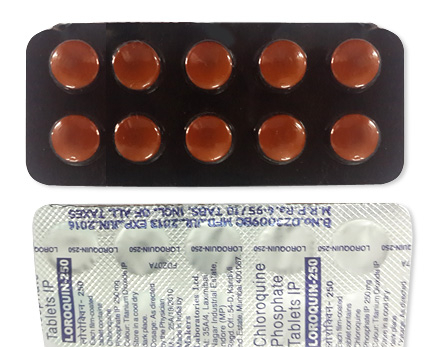
Antiprotozoal drugs specifically target single-celled parasites such as Giardia, Cryptosporidium, and Entamoeba histolytica. These medications work by interfering with the parasite's cellular processes, including DNA synthesis, energy metabolism, or protein production. Common antiprotozoal agents include metronidazole, tinidazole, and nitazoxanide, each designed to combat specific protozoal infections effectively.
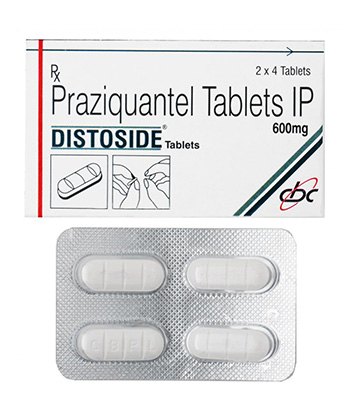
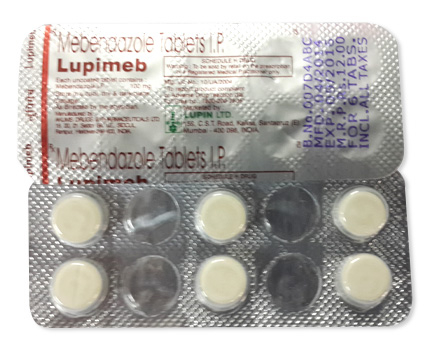
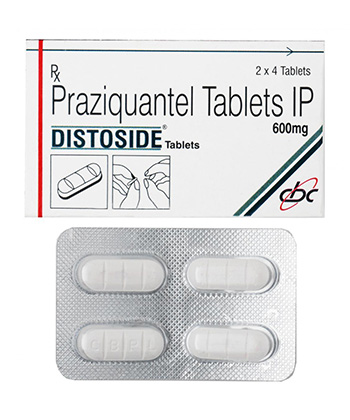
Anthelmintic medications are formulated to eliminate parasitic worms, including roundworms, tapeworms, and flukes. These drugs function through various mechanisms, such as paralyzing the worms' nervous systems, disrupting their energy metabolism, or preventing nutrient absorption. Popular anthelmintic treatments include albendazole, mebendazole, and ivermectin, with selection depending on the specific worm species identified.
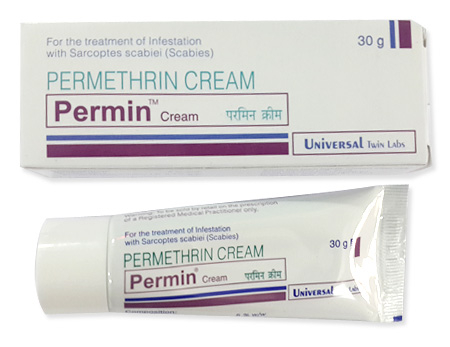
External parasite treatments address infestations of lice, mites, and other surface-dwelling organisms. These topical medications typically contain permethrin, malathion, or benzyl benzoate, which disrupt the parasites' nervous systems or respiratory functions. Treatment selection depends on factors including the patient's age, pregnancy status, severity of infestation, and potential resistance patterns in the local area.
Healthcare providers consider multiple factors when selecting appropriate antiparasitic medications, including the specific parasite identified, patient age and medical history, potential drug interactions, and local resistance patterns to ensure optimal treatment outcomes.
Canada's healthcare system provides access to a comprehensive range of antiparasitic medications to treat various parasitic infections. These medications are carefully regulated by Health Canada to ensure safety and efficacy for Canadian patients.
Metronidazole (Flagyl) is one of the most commonly prescribed antiparasitic medications in Canada, particularly effective against protozoal infections such as giardiasis, trichomoniasis, and amoebiasis. This medication works by disrupting the DNA of parasitic organisms and is available in both oral and topical formulations.
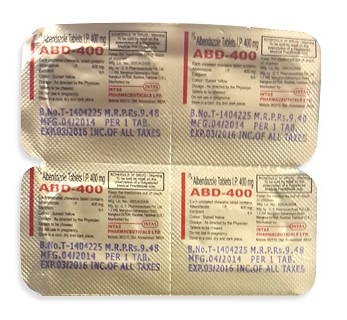
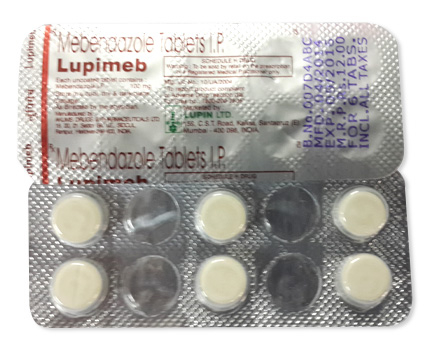
Albendazole and Mebendazole are the primary treatments for intestinal worm infections, including roundworms, hookworms, and whipworms. These broad-spectrum anthelmintics are particularly effective against soil-transmitted helminths and are often the first-line treatment for such conditions in Canadian medical practice.
Ivermectin has gained recognition as a versatile antiparasitic agent effective against various conditions including strongyloidiasis, onchocerciasis, and certain ectoparasites. In Canada, it's available by prescription and requires careful dosing based on patient weight and specific parasitic condition.
Pyrantel pamoate is widely used for treating pinworm infections, particularly common in children. This medication is often available over-the-counter in Canadian pharmacies, making it accessible for families dealing with these common parasitic infections.
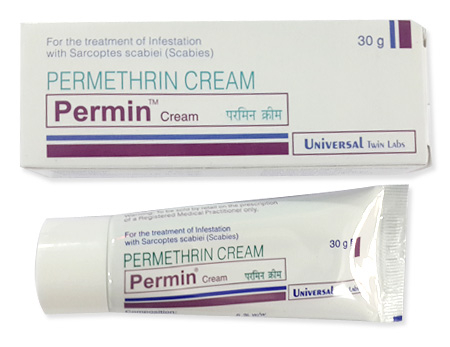
Permethrin serves as the standard treatment for scabies and head lice in Canada. Available as creams and shampoos, permethrin-based products are considered safe and effective for both adults and children when used according to directions.
Most antiparasitic medications in Canada require a prescription from a licensed healthcare provider. The following categories determine availability:
Canadian patients benefit from access to both generic and brand name antiparasitic medications. Generic versions typically offer significant cost savings while maintaining the same active ingredients and therapeutic effects as their brand name counterparts, making treatment more accessible across different economic backgrounds.
Antiparasitic medications require precise dosing based on the specific parasite, patient weight, and severity of infection. Treatment duration varies significantly, from single-dose regimens for certain intestinal parasites to extended courses lasting several weeks for complex infections. Always follow your healthcare provider's instructions and complete the entire prescribed course, even if symptoms improve before finishing the medication.
Some antiparasitic medications should be taken with food to enhance absorption and reduce stomach upset, while others require administration on an empty stomach for optimal effectiveness. Timing of doses is crucial for maintaining therapeutic levels in your system. Special populations require careful consideration:
Antiparasitic medications can interact with other prescription drugs, over-the-counter medications, and herbal supplements. Inform your pharmacist about all medications you're taking to avoid potentially dangerous interactions that could reduce effectiveness or increase side effects.
Most antiparasitic medications cause mild, temporary side effects including nausea, stomach upset, diarrhea, headache, and dizziness. These symptoms typically resolve within a few days as your body adjusts to the medication. Taking medications with food often helps minimize gastrointestinal discomfort.
Contact your healthcare provider immediately if you experience severe allergic reactions, persistent vomiting, severe abdominal pain, vision changes, or neurological symptoms such as confusion or seizures. Some antiparasitic medications require regular monitoring of liver function, blood counts, or other laboratory values during extended treatment courses.
Stay well-hydrated during treatment and maintain a balanced diet to support recovery. If side effects become bothersome, consult your pharmacist or healthcare provider for management strategies. Never stop treatment early without medical advice, as incomplete courses can lead to treatment failure and potential resistance development.
Successful parasite treatment extends beyond medication. Practice excellent hand hygiene, especially before eating and after using the washroom. Wash bedding, clothing, and towels in hot water, and maintain thorough household cleaning during treatment. Family members may require simultaneous treatment for certain parasitic infections to prevent reinfection cycles.
Consult healthcare professionals before travelling to areas with endemic parasitic diseases. Prophylactic treatments may be recommended for certain destinations. Canadian travel clinics provide specialized advice for international travellers.
For additional support and information, contact Health Canada, your provincial health authority, or speak with your pharmacist about treatment concerns and prevention strategies.