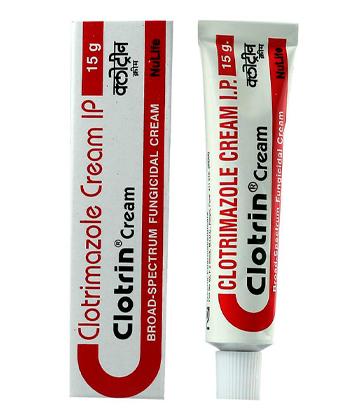
Antifungal medications are specialized treatments designed to eliminate or prevent the growth of fungal infections. These medications work by disrupting the fungal cell membrane or interfering with essential cellular processes, effectively stopping the spread of infection. In Canada, common fungal infections include athlete's foot, jock itch, ringworm, yeast infections, and nail fungus, which affect millions of Canadians annually.
Antifungal treatments are available in two main categories: topical antifungals applied directly to the affected skin or nail area, and systemic antifungals taken orally for more severe or widespread infections. Topical treatments are typically the first line of defence for localized skin infections, while systemic medications are reserved for persistent or internal fungal infections.
It's important to consult a healthcare provider if symptoms persist after two weeks of treatment, if the infection spreads, or if you experience fever or signs of bacterial infection alongside the fungal condition.
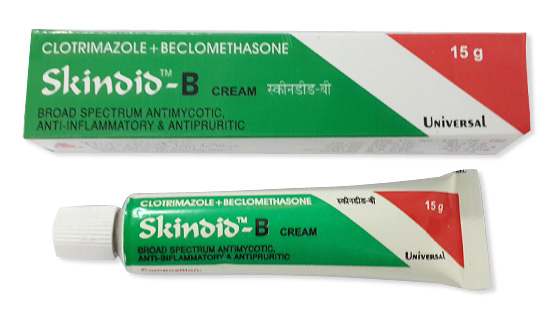
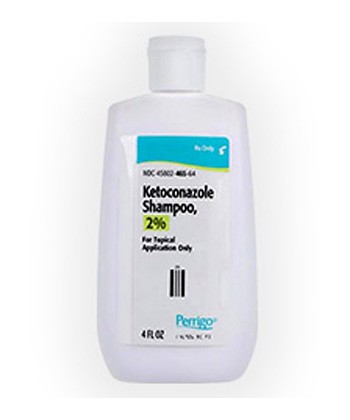
Topical antifungal treatments are widely available in Canadian pharmacies and are effective for treating common skin conditions like athlete's foot and jock itch. These infections thrive in warm, moist environments and can cause uncomfortable itching, burning, and scaling of the affected areas.
Canadian pharmacies stock various formulations to suit different preferences and infection types:
Trusted brands available across Canada include Canesten (clotrimazole), Lamisil (terbinafine), and Lotrimin (miconazole). Most treatments require application twice daily for 2-4 weeks, continuing for one week after symptoms disappear. To prevent recurring infections, maintain proper foot hygiene, wear breathable footwear, change socks daily, and keep affected areas clean and dry.
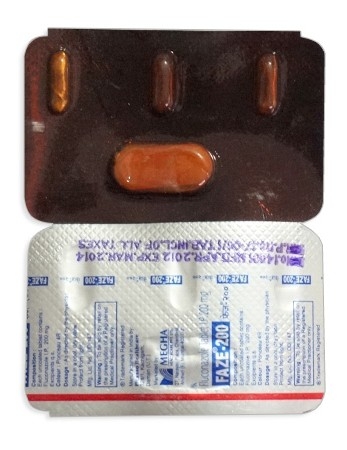
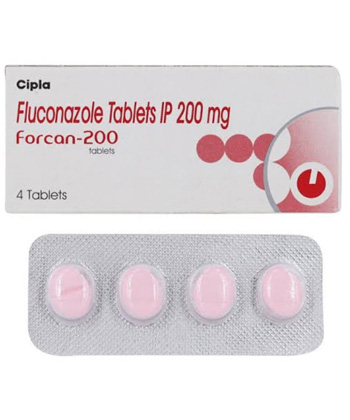
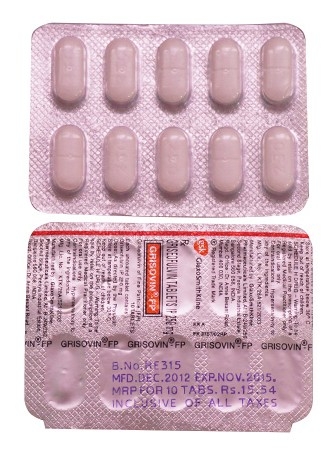
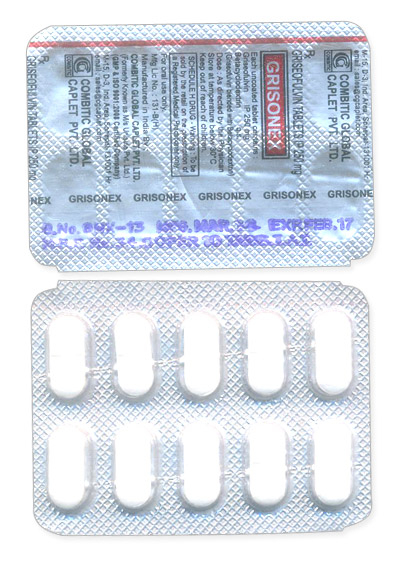
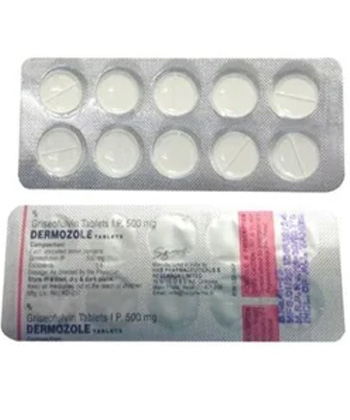
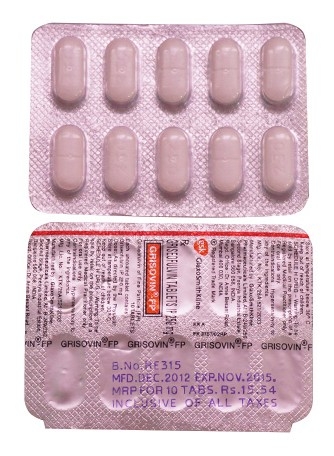
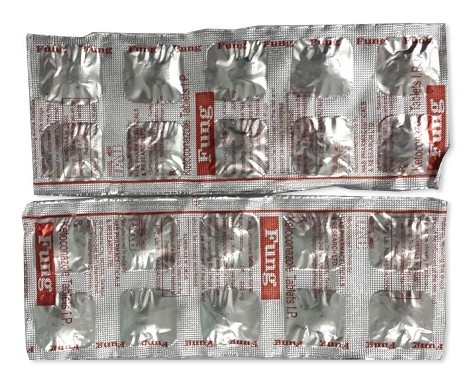
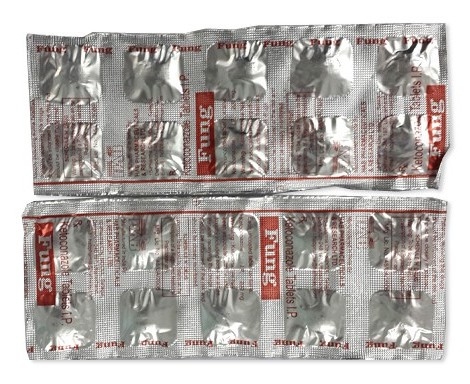
When topical treatments aren't sufficient, oral antifungal medications provide systemic treatment for severe or persistent fungal infections. These prescription medications are particularly effective for infections that have spread or are difficult to treat with external applications alone.
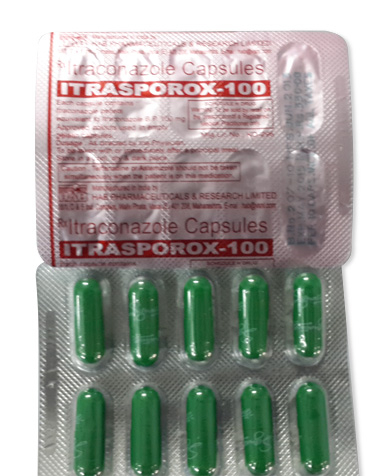
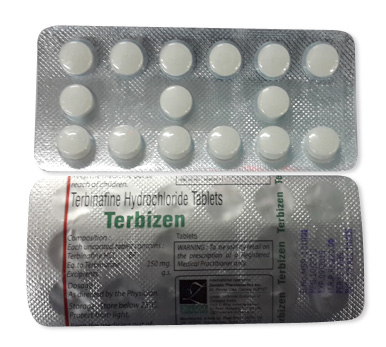
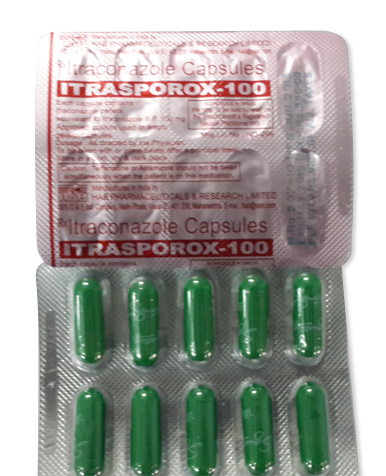
Fluconazole (Diflucan) is widely prescribed for yeast infections, offering convenient single-dose treatment for vaginal candidiasis and longer courses for other fungal conditions. Terbinafine is the gold standard for treating nail fungus (onychomycosis), typically requiring 6-12 weeks of treatment. Itraconazole serves as an alternative systemic option for various fungal infections, particularly when other treatments have failed.
These medications can interact with numerous drugs, including blood thinners, certain antibiotics, and heart medications. Common side effects may include nausea, headache, and liver enzyme elevation. Regular monitoring through blood tests is often required during extended treatment periods to ensure liver function remains normal.
Over-the-counter vaginal antifungal treatments provide convenient relief for uncomplicated yeast infections. These products are available in various formats to suit different preferences and treatment needs.
Popular options include Monistat, Canesten, and various generic formulations available as suppositories, creams, or combination packs. Treatment durations range from single-dose options (like Monistat 1) to 3-day and 7-day regimens, with longer treatments often being gentler for sensitive individuals.
If you're pregnant or breastfeeding, it's essential to consult with your healthcare provider before using any antifungal medications. Many topical antifungals are considered safe during pregnancy, but oral medications may carry additional risks. Your pharmacist can help you understand which treatments are appropriate for your situation and provide guidance on safe usage during these important times.
Children require special consideration when it comes to antifungal treatments. Dosing is typically based on weight, and certain medications may not be suitable for very young children. Always follow your healthcare provider's instructions carefully and use only products specifically formulated or recommended for pediatric use. Never assume that adult formulations are safe for children at reduced doses.
Before starting any antifungal treatment, inform your pharmacist about existing allergies and medical conditions. Some individuals may be allergic to specific antifungal ingredients, and certain medications can interact with other prescriptions you may be taking. Your pharmacist will review your medication profile to ensure safe and effective treatment options.
Proper storage is crucial for maintaining the effectiveness of antifungal medications. Most should be stored at room temperature, away from direct sunlight and moisture. Avoid storing medications in bathrooms where humidity levels are high. Always check expiration dates and dispose of expired medications safely through your local pharmacy's take-back programme.
Coverage for antifungal medications varies across Canadian provincial health plans. Many over-the-counter topical treatments are not covered, while prescription antifungals may be partially or fully covered depending on your province and specific insurance plan. Consult with your pharmacist to explore coverage options and potential cost-saving alternatives available in your area.
One of the most important aspects of antifungal treatment is completing the entire prescribed course, even if symptoms improve before finishing the medication. Stopping treatment early can lead to incomplete elimination of the fungal infection and potential resistance development. Continue using the medication for the full duration recommended by your healthcare provider or as indicated on the product packaging.
Maintaining proper hygiene is essential for preventing fungal infections and avoiding reinfection. Key practices include:
Fungi thrive in warm, moist environments, so making environmental adjustments can significantly reduce your risk of infection. Ensure good ventilation in living spaces, use moisture-absorbing products in shoes, wear breathable fabrics, and maintain appropriate humidity levels in your home. Consider using antifungal powders or sprays in shoes and on feet if you're prone to athlete's foot.
If your fungal infection doesn't respond to treatment within the expected timeframe, consult your pharmacist or healthcare provider. This could indicate a resistant strain, incorrect diagnosis, or the need for a different treatment approach. Sometimes, what appears to be a fungal infection may actually be another skin condition requiring alternative treatment.
Canadian pharmacists are excellent resources for selecting appropriate antifungal treatments. They can assess your symptoms, recommend suitable over-the-counter options, and determine when prescription medications or medical consultation may be necessary. Don't hesitate to ask questions about proper application techniques, expected treatment duration, and potential side effects.
While some natural remedies like tea tree oil or apple cider vinegar are popular for fungal infections, it's important to understand their limitations. These alternatives may provide mild antifungal properties but are generally less effective than proven pharmaceutical treatments. If you choose to explore natural options, discuss them with your pharmacist to ensure they won't interfere with other treatments and understand when conventional medication may be necessary.