Antibacterial medications are pharmaceutical compounds specifically designed to combat bacterial infections by either killing bacteria or inhibiting their growth and reproduction. These medications work through various mechanisms, including disrupting bacterial cell walls, interfering with protein synthesis, or blocking essential bacterial metabolic processes. In Canada, antibacterial drugs are regulated by Health Canada and require a prescription from a licensed healthcare provider to ensure safe and appropriate use.
While the terms "antibiotics" and "antibacterials" are often used interchangeably, there is a technical distinction between them. Antibiotics traditionally refer to naturally occurring substances produced by microorganisms that fight bacteria, while antibacterials encompass both natural antibiotics and synthetic compounds designed to combat bacterial infections. In modern medical practice, both terms are commonly accepted when referring to medications that treat bacterial infections.
Antibacterial medications are effective against a wide range of bacterial infections that can affect various parts of the body. These medications are commonly prescribed in Canada for treating respiratory tract infections, skin and soft tissue infections, urinary tract infections, gastrointestinal infections, and more serious conditions such as sepsis or pneumonia. The choice of antibacterial depends on the type of bacteria causing the infection and its location in the body.
Accurate diagnosis is crucial before beginning antibacterial treatment, as these medications are only effective against bacterial infections and will not treat viral, fungal, or parasitic conditions. Canadian healthcare providers often recommend diagnostic tests such as blood cultures, urine analysis, or throat swabs to identify the specific bacteria and determine the most appropriate treatment. This approach helps ensure optimal patient outcomes and reduces the risk of antibiotic resistance.
Healthcare providers in Canada prescribe antibacterial medications when a confirmed or strongly suspected bacterial infection is present and poses a health risk. However, these medications are not appropriate for viral infections such as the common cold, flu, or most cases of bronchitis. Inappropriate use of antibacterials can lead to side effects, disrupt normal bacterial flora, and contribute to antibiotic resistance, which is why Canadian medical guidelines emphasize judicious prescribing practices.
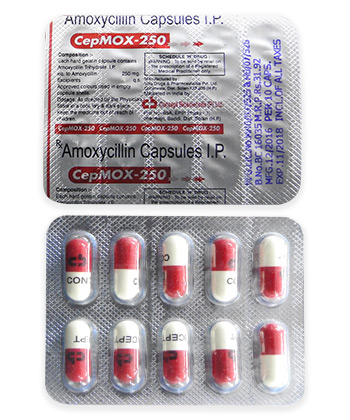
Penicillins are among the most widely prescribed antibacterials in Canada and are particularly effective against gram-positive bacteria and some gram-negative bacteria. Amoxicillin is commonly used for respiratory tract infections, ear infections, and urinary tract infections, while ampicillin may be prescribed for more serious infections. These medications work by disrupting bacterial cell wall synthesis, leading to bacterial death. Penicillins are generally well-tolerated, though allergic reactions can occur in some patients.
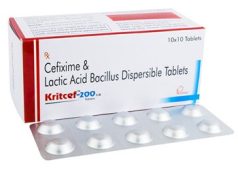
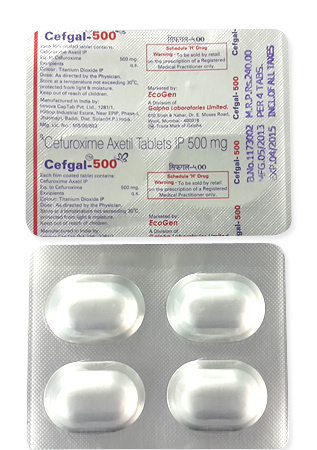
Cephalosporins represent a versatile class of antibacterials available throughout Canada, offering broad-spectrum activity against many types of bacteria. Cephalexin is frequently prescribed for skin infections, respiratory tract infections, and urinary tract infections, while cefuroxime may be used for more complex infections or when enhanced coverage is needed. These medications are often chosen as alternatives for patients with mild penicillin allergies and are known for their effectiveness and relatively low incidence of serious side effects.
Macrolide antibacterials are valuable options in Canadian medical practice, particularly for treating respiratory tract infections caused by atypical bacteria such as Mycoplasma or Chlamydia. Azithromycin is popular due to its convenient dosing schedule and effectiveness against a broad range of bacteria, while clarithromycin and erythromycin offer alternative options for specific clinical situations. These medications work by inhibiting bacterial protein synthesis and are often prescribed for patients who cannot tolerate penicillins or cephalosporins.
Fluoroquinolones are potent broad-spectrum antibacterials available in Canada for treating serious bacterial infections, particularly those affecting the urinary tract, respiratory system, and gastrointestinal tract. Ciprofloxacin is commonly prescribed for urinary tract infections and certain types of gastroenteritis, while levofloxacin may be used for respiratory tract infections and skin infections. Due to their potential for serious side effects, including tendon rupture and central nervous system effects, these medications are typically reserved for specific clinical situations where other antibacterials may not be suitable.
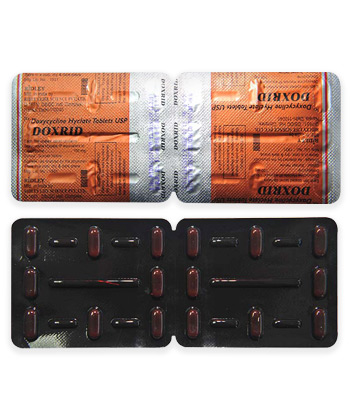
Tetracycline antibacterials, including doxycycline and minocycline, are frequently prescribed in Canada for a variety of conditions ranging from acne and rosacea to respiratory tract infections and certain sexually transmitted infections. These medications work by inhibiting bacterial protein synthesis and are particularly effective against intracellular bacteria. Doxycycline is often chosen for its excellent oral bioavailability and broader spectrum of activity, while minocycline may be preferred for certain skin conditions due to its superior penetration into skin tissues.
Sulfamethoxazole-trimethoprim, commonly known as co-trimoxazole, is a widely used combination antibacterial in Canada that offers excellent activity against many types of bacteria. This combination is particularly effective for urinary tract infections, certain types of pneumonia, and some gastrointestinal infections. The two components work synergistically by blocking different steps in bacterial folate synthesis, which enhances effectiveness and helps reduce the development of resistance.
Antibacterial medications are prescribed to treat a wide range of bacterial infections affecting different parts of the body. Understanding when these medications are appropriate helps ensure effective treatment and prevents unnecessary antibiotic use.
Respiratory tract infections such as bacterial pneumonia, acute bronchitis, and sinusitis are frequently treated with antibiotics when caused by bacterial pathogens rather than viruses. Urinary tract infections (UTIs) affecting the bladder, kidneys, or urethra respond well to targeted antibiotic therapy. Skin and soft tissue infections, including cellulitis, wound infections, and abscesses, often require antibacterial treatment to prevent spread and complications.
Gastrointestinal infections caused by harmful bacteria may necessitate antibiotic treatment, particularly in severe cases or when complications arise. Sexually transmitted infections such as chlamydia, gonorrhoea, and syphilis are effectively treated with specific antibacterial regimens. Healthcare providers also prescribe antibiotics for post-surgical infection prevention in certain procedures.
Following proper guidelines for antibacterial medication use is crucial for treatment success and preventing antibiotic resistance. Always complete the full prescribed course, even if symptoms improve before finishing all medication. This ensures complete elimination of bacteria and prevents the development of resistant strains.
Take antibiotics exactly as prescribed by your healthcare provider, maintaining consistent timing between doses. Some medications require food to improve absorption or reduce stomach irritation, while others should be taken on an empty stomach. Read the medication label carefully and follow specific instructions for your prescribed antibiotic.
Common side effects include gastrointestinal upset, diarrhea, and mild allergic reactions. Watch for serious reactions such as severe rash, difficulty breathing, or persistent diarrhea, which may indicate C. difficile infection. Inform your pharmacist and healthcare provider about all other medications, supplements, and health conditions to avoid dangerous interactions.
Store antibiotics according to label instructions, typically at room temperature away from moisture and heat. Never use expired antibiotics or share medications with others. Contact your healthcare provider if symptoms worsen, new symptoms develop, or you experience concerning side effects during treatment.
Antibiotic resistance occurs when bacteria evolve to survive exposure to antibiotics that once effectively eliminated them. This growing global health threat means that previously treatable infections may become difficult or impossible to cure, leading to longer illness, increased healthcare costs, and higher mortality rates.
Misuse of antibiotics significantly contributes to resistance development. Taking antibiotics when they're not needed, not completing prescribed courses, sharing medications, or using leftover antibiotics allows bacteria to adapt and develop resistance mechanisms.
Health Canada actively combats antibiotic resistance through surveillance programs, prescribing guidelines, and public education campaigns. The Canadian Antimicrobial Resistance Surveillance System monitors resistance patterns nationwide.
Patients play a crucial role in prevention by:
The future of antibacterial treatment depends on responsible use today. New drug development, alternative therapies, and enhanced diagnostic tools offer hope, but preserving current antibiotics' effectiveness remains our most immediate priority for protecting public health across Canada.
Most antibacterial medications in Canada require a prescription from a licensed healthcare provider. Pharmacists cannot dispense antibiotics without proper authorization, except in specific emergency situations or through expanded scope programs in certain provinces.
Canadian pharmacists are valuable partners in your antibacterial treatment. They provide medication counselling, monitor for drug interactions, and can answer questions about proper usage, side effects, and storage requirements. Many pharmacists can also provide prescription renewals for certain antibiotics when appropriate.
Most provincial health insurance plans cover essential antibiotics, though coverage varies by medication and province. Private insurance often provides additional coverage for newer or specialty antibiotics.
Generic antibiotics offer the same effectiveness as brand-name versions at lower costs. Licensed online pharmacies provide convenient access while maintaining safety standards. For after-hours needs, walk-in clinics, telehealth services, and hospital emergency departments can prescribe necessary antibiotics.
Patient assistance programs help Canadians access expensive antibiotics when insurance coverage is insufficient. Speak with your pharmacist about available programs and eligibility requirements.