Allergic reactions occur when your immune system overreacts to normally harmless substances called allergens. During an allergic response, your body releases histamine and other chemicals that trigger uncomfortable symptoms such as sneezing, itching, runny nose, watery eyes, and in severe cases, difficulty breathing or swelling.
Histamine plays a central role in allergic responses by binding to specific receptors throughout your body, causing inflammation and the characteristic symptoms of allergies. When histamine is released, it dilates blood vessels, increases mucus production, and stimulates nerve endings that cause itching and discomfort.
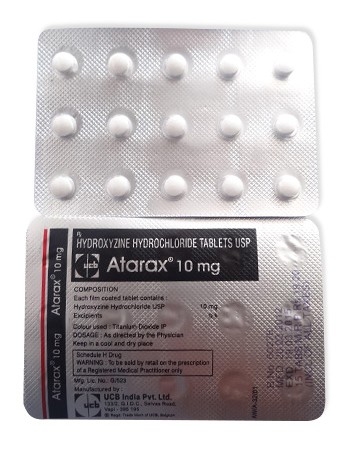
Antihistamine medications work by blocking histamine receptors, preventing histamine from triggering allergic symptoms. These medications can provide significant relief from both seasonal and year-round allergies, helping you maintain your daily activities without the interference of bothersome allergy symptoms.
Canadians commonly encounter several allergy triggers throughout the year:
You should consider antiallergic treatment when symptoms interfere with your sleep, work, or daily activities, or when home remedies and avoidance measures aren't providing adequate relief. Persistent symptoms lasting more than a few days or recurring seasonal patterns are good indicators that antihistamines may be beneficial.
First-generation antihistamines like diphenhydramine work quickly but often cause drowsiness, making them suitable for nighttime use. Second-generation antihistamines such as cetirizine, loratadine, and fexofenadine are designed to be non-sedating while providing long-lasting relief, making them ideal for daytime use and daily management of allergies.
Cetirizine (Reactine) provides 24-hour relief from allergy symptoms and is particularly effective for skin allergies and hives. The standard adult dose is 10mg once daily, with 5mg options available for children and those who may experience mild drowsiness. Cetirizine is known for its fast onset of action, typically providing relief within one hour.
Loratadine (Claritin) is an excellent non-drowsy choice for daily allergy management, offering 24-hour protection against seasonal and environmental allergens. Adults typically take 10mg once daily, while children can use age-appropriate formulations. Its non-sedating profile makes it ideal for maintaining normal daily activities and work performance.
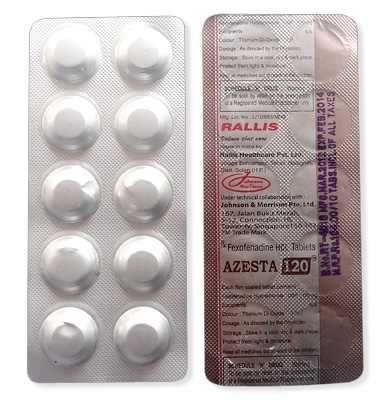
Fexofenadine (Allegra) stands out for its long-lasting relief characteristics and minimal interaction with other medications. Available in 60mg twice daily or 120mg once daily formulations for adults, fexofenadine is particularly effective for seasonal allergies and doesn't cause the drowsiness associated with older antihistamines.
Desloratadine (Aerius) is available both over-the-counter and by prescription in Canada, providing powerful 24-hour relief from allergy symptoms. The standard adult dose is 5mg once daily, with liquid formulations available for children. It's especially effective for both indoor and outdoor allergies.
Diphenhydramine (Benadryl) offers rapid relief from severe allergic reactions but causes significant drowsiness. Adults typically take 25-50mg every 4-6 hours as needed. While effective for acute symptoms, it's best used when sedation isn't a concern or for nighttime relief.
Chlorpheniramine (Chlor-Tripolon) represents a traditional antihistamine choice that's effective but may cause mild to moderate drowsiness. The usual adult dose is 4mg every 4-6 hours, with extended-release formulations available for longer-lasting relief.
Topical and nasal antiallergic medications provide targeted relief directly at the source of allergic reactions, offering effective symptom management for Canadian patients dealing with seasonal and environmental allergies. These specialized formulations deliver active ingredients precisely where they're needed most, often with fewer systemic side effects compared to oral medications.
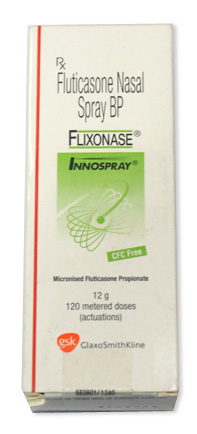
Nasal corticosteroid sprays like Flonase, Nasacort, and Rhinocort are considered the gold standard for treating allergic rhinitis in Canada. These prescription and over-the-counter options reduce inflammation in nasal passages, effectively controlling congestion, sneezing, and runny nose symptoms. Regular daily use provides optimal results, with many formulations offering 24-hour relief.
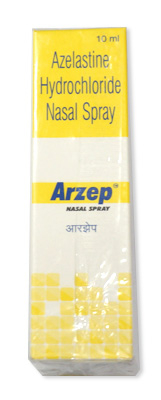
Antihistamine nasal sprays such as Azelastine provide rapid relief for acute allergy symptoms, while prescription eye drops like Zaditor and Patanol specifically target allergic conjunctivitis. For skin-related allergic reactions, topical creams and lotions containing antihistamines or corticosteroids offer localized treatment for eczema, contact dermatitis, and other allergic skin conditions.
Proper application techniques are crucial for effectiveness:
Advanced antiallergic treatments available in Canada encompass a range of specialized medications designed for specific allergy mechanisms and severe allergic conditions. These treatments often require professional guidance and may include both prescription and over-the-counter options tailored to individual patient needs.
Mast cell stabilizers like Cromolyn sodium work preventively by blocking the release of inflammatory substances before allergic reactions occur. Leukotriene receptor antagonists such as Montelukast (Singulair) provide comprehensive control for patients with allergic asthma and rhinitis by targeting inflammatory pathways. These medications require consistent use for optimal effectiveness and are particularly beneficial for patients with multiple allergic conditions.
Emergency allergy medications, including EpiPen auto-injectors and antihistamine injections, are essential for patients with severe allergic reactions or anaphylaxis. Combination products featuring decongestants with antihistamines offer multi-symptom relief, though patients should be aware of potential interactions and contraindications.
Treatment options span various categories:
Canadian patients should consult healthcare professionals to determine the most appropriate specialized treatment based on their specific allergy profile and medical history.
Selecting the most appropriate antiallergic medication requires careful consideration of several key factors. Your specific allergy triggers, symptom severity, lifestyle requirements, and medical history all play crucial roles in determining the best treatment approach. Consider whether you need fast-acting relief for acute symptoms or long-term prevention for chronic allergies. The delivery method—whether oral tablets, nasal sprays, eye drops, or topical creams—should align with your symptoms and personal preferences.
Seasonal allergies typically require different management strategies compared to perennial allergies. For spring and summer pollen allergies, starting preventive medications 2-4 weeks before allergy season begins often provides optimal results. Year-round allergens like dust mites, pet dander, or mould may benefit from consistent daily medication regimens. Many Canadians find combination approaches effective, using daily preventive medications with rescue treatments for breakthrough symptoms during high-exposure periods.
Different age groups require tailored approaches to antiallergic medication selection. Children often benefit from liquid formulations or chewable tablets, with dosing carefully calculated based on weight and age. Adults typically have more treatment options available, including longer-acting formulations that fit busy lifestyles. Seniors may need special consideration due to potential interactions with existing medications and age-related changes in drug metabolism. Always consult healthcare providers for age-appropriate recommendations and dosing guidelines.
Understanding potential drug interactions is essential for safe antiallergic medication use. Some antihistamines may interact with medications for heart conditions, blood pressure, or mental health. Certain medical conditions, such as glaucoma, enlarged prostate, or severe kidney disease, may contraindicate specific allergy medications. Always inform your pharmacist or healthcare provider about all medications, supplements, and health conditions before starting new allergy treatments.
Common side effects of antiallergic medications include drowsiness, dry mouth, dizziness, and gastrointestinal upset. To minimize these effects, consider taking medications with food if stomach upset occurs, staying well-hydrated, and timing doses appropriately. Second-generation antihistamines typically cause less drowsiness than first-generation options. If side effects persist or interfere with daily activities, discuss alternative options with your healthcare provider.
Canadian pharmacists are valuable resources for antiallergic medication guidance. They can help identify potential interactions, recommend appropriate over-the-counter options, and provide usage instructions. Healthcare providers should be consulted for severe allergies, prescription medications, or when over-the-counter treatments prove insufficient. Regular follow-ups ensure your allergy management plan remains effective and appropriate for your changing needs.
Following proper dosing schedules maximizes medication effectiveness while minimizing risks. Most antihistamines work best when taken consistently, even on days when symptoms seem mild. Timing can be crucial—some medications work better when taken in the evening, while others are more effective as morning doses. Never exceed recommended dosages, and space multiple medications appropriately to avoid overlap and potential interactions.
Several substances and activities should be avoided or approached cautiously while using antiallergic medications:
Proper storage maintains medication effectiveness and safety. Most oral antiallergic medications should be stored at room temperature in dry conditions, away from bathroom humidity and kitchen heat. Nasal sprays and eye drops often require refrigeration after opening and have shorter expiration periods. Always check expiration dates regularly and dispose of expired medications safely through pharmacy take-back programs available across Canada.
Discontinue antiallergic medications immediately and seek medical attention if you experience severe allergic reactions, difficulty breathing, rapid heartbeat, or severe dizziness. Contact healthcare providers if symptoms worsen despite treatment, new symptoms develop, or side effects become intolerable. Emergency medical care is necessary for severe allergic reactions or anaphylaxis, regardless of current medication use.
Pregnancy and breastfeeding require special consideration when choosing antiallergic medications. Some antihistamines are considered safer during pregnancy and nursing than others. Health Canada provides guidelines for medication use during pregnancy and breastfeeding. Always consult healthcare providers before starting, stopping, or changing allergy medications during pregnancy or while nursing to ensure both maternal and infant safety.
Multiple allergies often require comprehensive treatment approaches combining different medication types. This might include oral antihistamines for general symptoms, nasal sprays for congestion, and eye drops for ocular symptoms. Coordinate combination therapies with healthcare providers to avoid interactions and ensure appropriate timing. Some combination products are available that address multiple symptoms simultaneously.
Successful allergy management extends beyond medication to include environmental controls and lifestyle modifications. Work with healthcare providers to develop comprehensive plans incorporating medication schedules, trigger avoidance strategies, and emergency action plans. Regular plan reviews ensure treatments remain effective as allergies and life circumstances change. Keep detailed records of symptoms and treatment responses to optimize your personalized allergy management approach.