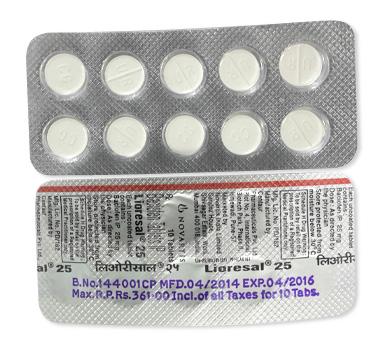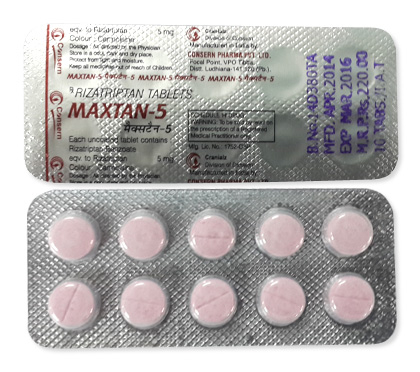
Over-the-counter (OTC) pain relievers are medications available without a prescription that effectively treat mild to moderate pain. These analgesics work through different mechanisms to reduce pain signals and provide relief for various common conditions.
These medications are commonly used to treat:
Popular brands available across Canada include Tylenol, Advil, Aspirin, Motrin IB, and Aleve, each containing different active ingredients suited for specific pain types. Always follow dosing instructions carefully and consult a healthcare provider if pain persists for more than a few days, worsens, or is accompanied by fever, swelling, or other concerning symptoms.
Acetaminophen works by blocking pain signals in the brain and reducing fever through action on the hypothalamus. Unlike anti-inflammatory medications, acetaminophen doesn't reduce swelling but is gentle on the stomach and suitable for most people.
This medication is particularly effective for fever reduction and general pain relief, making it a first-choice option for many Canadians. Popular brands include Tylenol Regular Strength (325mg), Tylenol Extra Strength (500mg), and Tylenol Arthritis (650mg extended-release).
Adults should not exceed 4,000mg daily, whilst children's doses depend on weight and age. Important safety warning: Exceeding recommended doses can cause serious liver damage. Avoid alcohol consumption and check other medications for acetaminophen content to prevent accidental overdose. Consult your pharmacist about potential interactions with blood thinners or other prescription medications.
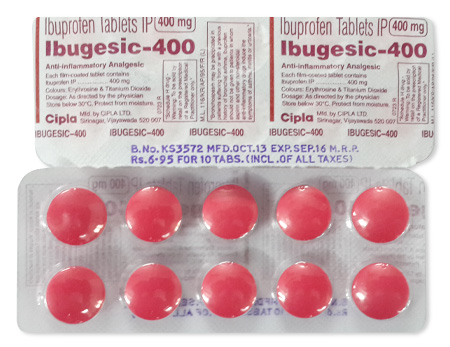
NSAIDs work by blocking cyclooxygenase enzymes that produce prostaglandins, chemicals responsible for pain, inflammation, and fever. This dual action makes them particularly effective for inflammatory conditions where both pain relief and swelling reduction are needed.
Several NSAID options are widely available across Canadian pharmacies:
These medications excel at treating inflammatory pain, sports injuries, dental pain, menstrual cramps, and headaches. However, NSAIDs carry important precautions. They may increase gastrointestinal bleeding risk and cardiovascular complications with prolonged use. Individuals with stomach ulcers, kidney disease, heart conditions, or those taking blood thinners should consult healthcare providers before use. Pregnant women and children under specific ages should also seek medical guidance before taking NSAIDs.
Topical pain relievers offer targeted relief by delivering active ingredients directly to affected areas, minimizing systemic side effects while providing concentrated treatment where it's needed most.
Canadian pharmacies stock various topical formulations including creams, gels, patches, and sprays. Popular options include Voltaren Emulgel, Aspercreme, Bengay, Robax Platinum, and Salonpas patches.
These products work exceptionally well for:
Apply topical analgesics to clean, dry skin following package directions, typically 3-4 times daily. Wash hands thoroughly after application unless treating hands directly. Topical options provide excellent alternatives for individuals who cannot tolerate oral medications due to stomach sensitivity or drug interactions, offering effective pain management with reduced systemic absorption.
Combination pain relief medications offer a strategic approach to managing pain by combining multiple active ingredients that work through different mechanisms. These formulations are designed to provide more comprehensive relief than single-ingredient products alone, making them particularly effective for complex pain conditions that may not respond adequately to one type of medication.
The most widely available combination analgesics in Canadian pharmacies include acetaminophen paired with caffeine, which enhances the pain-relieving effects while potentially reducing the amount of acetaminophen needed. Another popular combination features ibuprofen with muscle relaxants, particularly beneficial for pain involving muscle tension or spasms. These combinations are formulated based on scientific evidence showing synergistic effects between ingredients.
Several trusted combination products are readily available across Canada, including Tylenol Ultra Relief, which combines acetaminophen with caffeine for enhanced pain relief. Advil Dual Action offers a unique combination approach, while Robaxacet combines acetaminophen with methocarbamol for muscle-related pain relief. These products have been specifically formulated to meet Health Canada's safety and efficacy standards.
While combination medications can be more effective, they also carry the potential for increased side effects due to multiple active ingredients. Users may experience side effects from any of the components, and some combinations may increase the risk of certain adverse reactions. It's essential to read all warnings and contraindications carefully, and consult with a pharmacist if you have any underlying health conditions or take other medications.
One of the most critical safety considerations with combination products is avoiding accidental double-dosing. Always read the complete ingredient list and compare it with any other medications you're taking. For example, if you're taking a combination product containing acetaminophen, avoid taking additional acetaminophen-containing products simultaneously. Keep track of all active ingredients and their maximum daily limits to ensure safe usage.
Migraines require specialized treatment approaches that differ from general headache relief. Over-the-counter migraine-specific formulations often combine pain relievers with caffeine and sometimes anti-nausea ingredients. These products are specifically designed to address the unique characteristics of migraine pain, including the throbbing nature, sensitivity to light and sound, and potential nausea that accompanies these headaches.
Managing chronic pain conditions requires a thoughtful approach to over-the-counter options. Extended-release formulations can provide longer-lasting relief for conditions like arthritis, while topical preparations may be suitable for localized chronic pain. Understanding the difference between acute and chronic pain management helps in selecting the most appropriate products for long-term use while minimizing potential complications.
Canada's pharmacy shelves offer various natural and alternative pain relief options that complement traditional analgesics. These include topical preparations with menthol, camphor, or capsaicin, as well as oral supplements featuring ingredients like turmeric, willow bark, or glucosamine. While these alternatives may work differently than conventional pain relievers, they can be valuable components of a comprehensive pain management strategy.
Excedrin Migraine provides a specific formulation for migraine relief, combining acetaminophen, ASA, and caffeine. Tylenol Migraine offers another targeted approach for migraine sufferers. Additionally, various Canadian health stores and pharmacies carry herbal supplements and natural pain relief products that have been approved by Health Canada, ensuring quality and safety standards are met.
An effective pain management plan involves more than just medication selection. Consider factors such as timing of doses, potential interactions with other medications, lifestyle modifications that may help reduce pain, and keeping a pain diary to identify triggers and patterns. Work with your pharmacist to develop a comprehensive approach that may include both pharmacological and non-pharmacological strategies.
While analgesics provide valuable symptomatic relief, addressing underlying causes of pain is crucial for long-term health. Persistent pain may indicate conditions that require medical evaluation and treatment beyond over-the-counter options. Consider pain relief medications as one component of overall health management, and don't hesitate to discuss recurring pain patterns with healthcare providers to ensure comprehensive care and appropriate treatment strategies.