Alcohol Use Disorder (AUD) is a chronic medical condition characterized by an inability to control or stop alcohol consumption despite negative consequences. Symptoms include strong cravings, tolerance development, withdrawal symptoms when not drinking, and continued use despite physical, social, or occupational problems. Many Canadians struggle with varying degrees of alcohol dependence, from mild to severe classifications.
The physical effects of alcoholism can include liver damage, cardiovascular problems, brain impairment, and increased risk of accidents. Psychologically, alcoholism often contributes to depression, anxiety, relationship difficulties, and decreased cognitive function. These interconnected effects make professional intervention crucial for successful recovery.
Medical supervision during alcoholism treatment is essential due to potentially dangerous withdrawal symptoms, including seizures and delirium tremens. In Canada, treatment approaches include:
Canadians should seek professional help when alcohol consumption interferes with daily responsibilities, relationships suffer, or when attempting to quit independently proves unsuccessful. Early intervention significantly improves treatment outcomes and reduces long-term health complications.
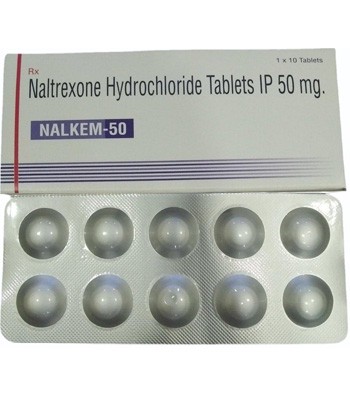
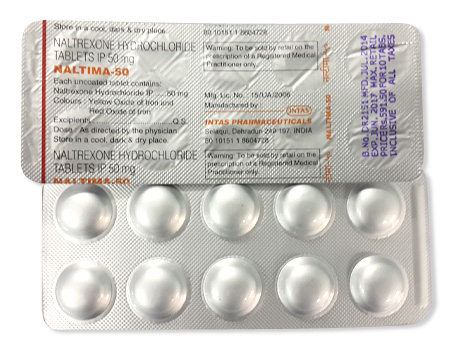
Naltrexone works by blocking opioid receptors in the brain, reducing the pleasurable effects of alcohol and decreasing cravings. Available in oral tablets or monthly injections, this medication helps individuals maintain sobriety by diminishing the reward sensation associated with drinking.
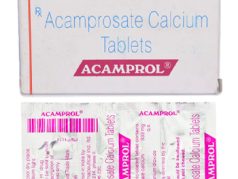
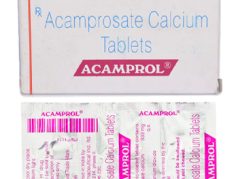
Acamprosate helps restore normal brain chemistry disrupted by chronic alcohol use. It reduces withdrawal symptoms and cravings, particularly effective for individuals who have already achieved initial sobriety and want to maintain abstinence long-term.
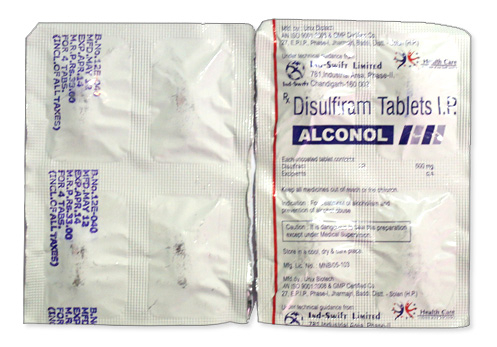
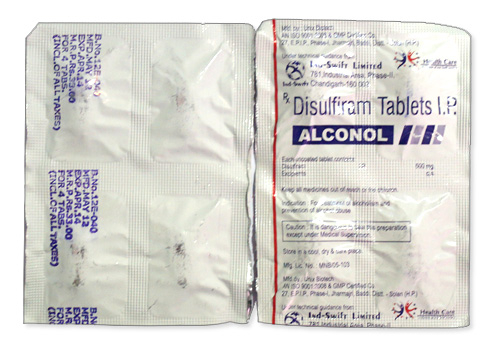
This deterrent medication creates unpleasant reactions when alcohol is consumed, including nausea, headaches, and flushing. Disulfiram requires strict compliance and medical monitoring due to potential severe reactions with alcohol consumption.
Topiramate may reduce alcohol cravings and consumption, while Gabapentin helps manage anxiety and withdrawal symptoms. These medications require careful medical supervision and are prescribed based on individual patient needs and medical history.
All prescription medications for alcohol dependence require healthcare provider consultation, regular monitoring, and are most effective when combined with counselling and support programs available through Canadian healthcare systems.
Alcohol withdrawal can present serious health risks and requires careful medical supervision. Understanding withdrawal symptoms is crucial for safe detoxification, as they can range from mild anxiety and tremors to severe complications like seizures and delirium tremens. In Canada, healthcare professionals may prescribe benzodiazepines such as Lorazepam and Diazepam to manage withdrawal symptoms safely and reduce the risk of complications.
Nutritional support plays a vital role during detoxification. Thiamine (Vitamin B1) supplementation is particularly important as alcohol dependence often leads to thiamine deficiency, which can result in serious neurological complications. Healthcare providers typically recommend high-dose thiamine therapy during the initial withdrawal period.
Medical supervision during detoxification is essential and typically occurs in controlled healthcare settings across Canada. This ensures proper monitoring of vital signs, medication administration, and immediate response to any complications that may arise during the withdrawal process.
Recovery from alcohol dependence often requires comprehensive nutritional support to restore physical health and support long-term sobriety. B-complex vitamins are fundamental for nervous system health, helping repair damage caused by chronic alcohol consumption and supporting energy metabolism. These vitamins are particularly important for cognitive function and mood stabilization during recovery.
Milk thistle extract contains silymarin, which may help protect liver cells and support liver regeneration after alcohol-related damage. Omega-3 fatty acids, particularly EPA and DHA, support brain health and may help reduce inflammation while promoting cognitive recovery and mood stability.
N-acetylcysteine shows promise in reducing alcohol cravings and supporting liver detoxification processes. Zinc and selenium supplementation helps restore immune system function, which is often compromised in individuals with alcohol dependence. Probiotics play an important role in restoring digestive health, as alcohol can significantly disrupt the gut microbiome, affecting nutrient absorption and overall digestive function. These supplements work together to support the body's natural healing processes during recovery.
Mental health disorders frequently co-occur with alcoholism, creating complex treatment challenges that require specialized pharmaceutical interventions. Understanding the relationship between alcohol use disorder and mental health conditions is crucial for effective treatment outcomes.
Depression and anxiety disorders are among the most common mental health conditions accompanying alcohol use disorder. Healthcare providers in Canada often prescribe specific medications that are safe and effective when treating patients with dual diagnoses. These medications must be carefully selected to avoid interactions with alcohol and to support overall recovery goals.
Selective Serotonin Reuptake Inhibitors (SSRIs) and Serotonin-Norepinephrine Reuptake Inhibitors (SNRIs) are frequently prescribed for individuals with alcohol use disorder who also experience depression or anxiety. Common SSRIs include sertraline, escitalopram, and fluoxetine, while venlafaxine and duloxetine are commonly prescribed SNRIs. These medications help stabilize mood and reduce anxiety symptoms while supporting the recovery process.
Alcohol withdrawal and early recovery often involve significant sleep disturbances. Healthcare providers may prescribe medications such as trazodone, melatonin, or specific sleep aids that do not pose addiction risks. Proper sleep management is essential for successful recovery and overall mental health stability.
While benzodiazepines may be necessary for acute alcohol withdrawal, long-term anti-anxiety treatment requires careful consideration. Healthcare providers often prefer non-addictive alternatives such as buspirone, hydroxyzine, or certain anticonvulsants to manage anxiety without creating additional dependency risks.
Individuals with bipolar disorder or severe mood swings may require mood stabilizers alongside addiction treatment. Medications such as lithium, valproic acid, or lamotrigine can help manage mood episodes while supporting recovery goals. These medications require regular monitoring and careful coordination with addiction treatment plans.
Successful treatment of co-occurring mental health conditions and alcoholism requires an integrated approach that addresses both conditions simultaneously. This comprehensive strategy ensures that neither condition undermines the treatment of the other, leading to better long-term outcomes and reduced risk of relapse.
Beginning the journey toward recovery from alcoholism requires access to appropriate resources and professional guidance. Canada offers numerous treatment options and support systems to help individuals and their families navigate the path to recovery.
Starting treatment begins with consulting your family physician or a healthcare provider who can assess your specific needs and circumstances. Be prepared to discuss your drinking patterns honestly, any previous treatment attempts, and current health concerns. Your healthcare provider can determine the most appropriate treatment approach and refer you to specialists when necessary.
Most addiction medications are covered under provincial health plans, private insurance, or a combination of both. Coverage typically includes:
Canada has numerous specialized addiction treatment facilities and healthcare professionals. Your family doctor can provide referrals to addiction medicine specialists, psychiatrists with addiction expertise, or treatment centres in your area. Many provinces maintain directories of certified addiction counsellors and treatment facilities.
Peer support groups such as Alcoholics Anonymous (AA), SMART Recovery, and other evidence-based programs are widely available across Canada. Many communities also offer specialized counselling services, family therapy programs, and group therapy sessions specifically designed for individuals with alcohol use disorder.
Canadian pharmacies play a crucial role in addiction treatment by providing medication counselling, monitoring for drug interactions, and ensuring proper medication adherence. Many pharmacies offer specialized services including bubble packaging, medication synchronization, and regular check-ins to support recovery goals.
A successful recovery plan typically includes medical treatment, counselling or therapy, peer support, lifestyle modifications, and ongoing monitoring. Work with your healthcare team to develop a personalized plan that addresses your specific needs, circumstances, and recovery goals.
Recovery from alcoholism is an ongoing process that requires long-term strategies for maintaining sobriety. This may include continued medication therapy, regular medical monitoring, ongoing counselling, participation in support groups, and developing healthy coping mechanisms for stress and triggers.
Family involvement is often crucial for successful recovery. Many organizations in Canada offer family education programs, support groups for family members, and counselling services to help families understand addiction and learn how to provide effective support throughout the recovery process.